Bedroom Temperature Basics
Bedroom temperature is the air temperature in the room where a person sleeps, but most studies do not measure it in the same way people experience it. A thermometer near the bed, a wall sensor in the room, and a climate-controlled chamber can all report different values even when the room feels similar. Sleep comfort also depends on skin temperature, airflow, humidity, and bedding insulation, which are rarely captured by a single “room temperature” number.
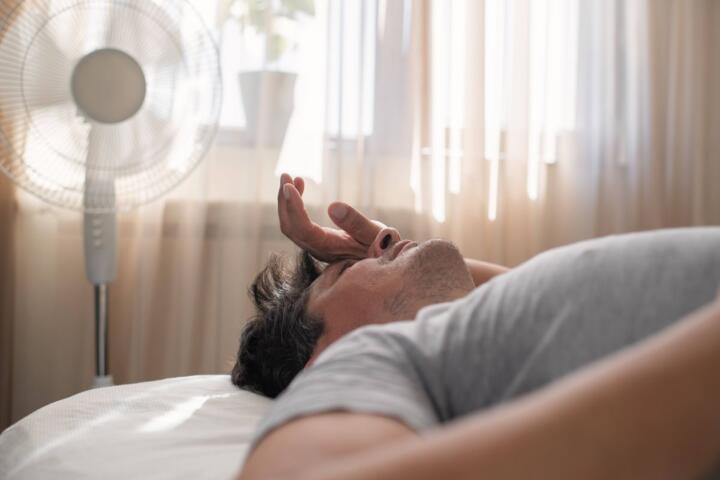
Practical examples show why measurement details matter. A bedroom set to 19°C may feel warm if the room is humid and the bedding traps heat, while 19°C can feel cool if there is a draft from a window or air vent. People who sleep with a fan often report better comfort at the same thermostat setting because moving air increases heat loss from the skin.
Studies also differ in what they call “bedroom.” Some experiments use a controlled sleep laboratory with a fixed room temperature and standardized bedding. Others observe participants at home and record temperature with a sensor placed in the room. Those two approaches can produce different conclusions because the environment, clothing, and bedding are not comparable.
Common Measurement Mistakes
Many readers assume that if a study reports “sleep improves at X degrees,” the same number will apply to their bedroom. That assumption breaks down because temperature is only one part of the thermal environment. Heat transfer to and from the body depends on air temperature, mean radiant temperature (how warm the surrounding surfaces feel), air movement, humidity, and the insulation of clothing and bedding.
Another frequent error is treating “room temperature” as a direct proxy for “body temperature.” Sleep involves a normal drop in core and skin temperatures, and the body regulates heat through blood flow to the skin and sweating. If the room is too warm, skin temperature may stay higher and sleep can feel lighter or more fragmented. If the room is too cool, peripheral vasoconstriction can raise discomfort even if the person falls asleep.
Home studies can also mislead when sensor placement is inconsistent. A sensor on a bedside shelf can read differently from one near the floor or behind a curtain. Sensors can miss short-term spikes from HVAC cycling, open windows, or nighttime cooking odors that change airflow and humidity. When the measurement window is short, a single night may not represent typical conditions.
Finally, many studies focus on outcomes like sleep onset latency or total sleep time, which do not capture all relevant effects. Breathing comfort, nasal congestion, and arousals related to dryness or temperature discomfort may not be measured. People with sleep-disordered breathing, asthma, or chronic rhinitis can experience temperature and humidity effects through airway mechanisms that are not captured by generic sleep metrics.
How To Interpret Study Results
Not all “temperature and sleep” findings come from the same type of evidence. Controlled laboratory studies can isolate temperature by holding bedding and airflow constant, but they may not reflect real bedrooms. Observational studies in homes can capture real-world variability, yet they often measure temperature imperfectly and cannot separate temperature effects from behavior changes like window opening, thermostat adjustments, or bedtime routines.
When reading a study, look for the measurement method: where the sensor was placed, whether humidity was recorded, and whether airflow was controlled. Check the outcome definitions too. “Better sleep” might mean fewer awakenings, lower sleep fragmentation, or improved subjective comfort. Those outcomes can move in different directions depending on whether the intervention changes thermal comfort, noise, or light exposure.
Season matters because people adapt. Bedding thickness, clothing, and expectations shift across winter and summer. A temperature that feels comfortable in one season may feel different in another because the body’s acclimatization and the insulation of the sleep setup change.
Practical Recommendations For Home
Measure Near Breathing Level
Place a temperature sensor at the level of your breathing while lying down, not on a high shelf. This helps align the reading with the thermal environment your face and upper chest experience. If you use a smart thermostat, consider adding a separate sensor in the bedroom because thermostat readings often reflect the hallway or an average of multiple zones.
In practice, aim to record temperature for at least a week so you can see nighttime swings from HVAC cycling or window use. Many homes experience changes of 1–3°C during the night even when the thermostat setpoint stays constant. If your bedroom temperature drifts widely, a single “ideal number” becomes less useful than stabilizing the thermal environment.
Tools that help include a small data-logging thermometer, a humidity sensor, and a way to note bedtime and wake time. Humidity matters because dry air can increase perceived coolness and nasal dryness, while high humidity can make the same air temperature feel warmer.
Account For Bedding And Airflow
Two people can sleep at the same room temperature with different comfort because bedding insulation and airflow differ. A thick duvet can trap heat and reduce the body’s ability to shed warmth. A fan can improve comfort by increasing convective heat loss from the skin, even if the room temperature stays unchanged.
In practice, keep bedding consistent while you test changes. If you change both thermostat settings and duvet thickness at the same time, you cannot tell which factor drove the change in sleep comfort. If you use a fan, note whether it points toward the bed and whether it creates drafts that feel irritating.
A realistic outcome target is not a universal temperature but a reduction in night awakenings related to discomfort. For many people, small adjustments that reduce overheating or excessive chill can improve perceived sleep quality, even when total sleep time changes little.
Use Humidity As A Co-Variable
Humidity affects how warm or cool air feels and can influence airway comfort. Higher humidity can increase the sensation of warmth at the same temperature, while very low humidity can contribute to dryness and irritation. Studies that only report temperature may miss these effects.
In practice, monitor relative humidity alongside temperature. If your bedroom is consistently very dry, you may notice dryness-related awakenings that correlate with low humidity rather than temperature alone. If humidity is high, the same thermostat setting may feel too warm because evaporative cooling becomes less effective.
Because humidity targets vary by climate and personal tolerance, use your measurements to identify patterns. Look for nights when humidity and temperature both shift, then compare how you feel the next day.
Adjust Gradually And Track Outcomes
Thermal comfort changes can be subtle, so abrupt changes can confound your interpretation. Adjust temperature in small steps and keep other variables stable: bedtime, light exposure, alcohol intake, and exercise timing. These factors can affect sleep independent of room temperature.
Track outcomes that match your goal. If your main issue is waking up during the night, record the number of awakenings and whether they coincide with temperature spikes. If your issue is falling asleep, track sleep onset time and how warm or cool you feel at bedtime.
A practical expectation is that you may find a personal “comfort band” rather than a single number. Many people do best within a range where they are neither overheated nor chilled, and the best setting can shift with bedding and season.
Educational Case Examples
Example 1: A person in a temperate climate uses a thermostat set to 20°C. A bedside sensor shows that the room drops to 17°C after midnight when the HVAC cycles. The person reports waking around the same time and feeling chilled. After stabilizing the temperature swing and keeping bedding unchanged, the person notices fewer discomfort-related awakenings, while total sleep time changes only slightly.
Example 2: Another person sleeps with a fan and a thin blanket. Their bedroom averages 19°C, but relative humidity often stays above 60% during summer nights. They report feeling warm despite the “cool” temperature reading. When they reduce humidity by improving ventilation and keep the same thermostat setting, they report better comfort without changing bedding thickness.
Temperature Checklist And Table
| Decision Point | What To Check | Why It Matters | What To Do Next |
|---|---|---|---|
| Sensor placement | Near breathing level while lying down | Air near your face drives perceived comfort | Use a bedside data logger for 7+ nights |
| Night swings | Temperature changes after midnight | Short spikes can trigger awakenings | Look for HVAC cycling patterns |
| Bedding insulation | Duvet weight and layering | Insulation changes heat retention at the same room temperature | Test one variable at a time |
| Air movement | Fan direction and draft | Airflow increases convective cooling | Try fan at low speed, avoid direct drafts |
| Humidity | Relative humidity trends | Dry or humid air changes comfort and airway sensations | Track humidity with temperature for the same nights |
Step-by-step checklist:
- Record temperature and humidity for 7–14 nights with a sensor near breathing level.
- Keep bedding and clothing consistent during the measurement period.
- Note bedtime, wake time, and whether awakenings relate to feeling too hot, too cold, or dry.
- Change one factor at a time (thermostat setpoint, fan use, or bedding thickness) and repeat for several nights.
- Choose the comfort band that reduces discomfort-related awakenings rather than chasing a single “best” number.
Common Mistakes
People often chase a single temperature number from a study without matching the study’s conditions. A lab study with standardized bedding and controlled airflow does not translate cleanly to a bedroom with different insulation, clothing, and drafts.
Another mistake is changing multiple variables at once. Raising the thermostat while switching to a heavier blanket can mask the effect of each change. If you want to learn what works for you, adjust one variable and keep the rest stable for several nights.
Some readers ignore temperature swings and focus only on the average. A bedroom that averages 19°C can still feel uncomfortable if it drops to 16°C for several hours. Nighttime stability often matters more than the daily mean.
Finally, people sometimes interpret sleep-tracker metrics as direct measures of temperature effects. Wearables estimate sleep stages using movement and heart rate signals, which can change for many reasons unrelated to thermal comfort. Use them as supportive data, not as the only outcome.
FAQ
What Temperature Do Studies Use?
Studies often use either a controlled room temperature in a sleep lab or a sensor placed in a participant’s home. Sensor location, bedding standardization, and airflow control vary, so reported “ideal” temperatures reflect those specific setups.
Does Humidity Change The Effect?
Humidity can shift perceived warmth and dryness sensations, which can influence comfort and awakenings. Temperature-only studies may miss these co-effects, so pairing temperature with humidity measurements gives a clearer picture.
Is A Fan Better Than Lower Heat?
A fan changes airflow and can increase heat loss from the skin without changing room temperature. Whether it helps depends on draft sensitivity and how overheating or chill shows up for you.
Why Do Results Differ Between People?
Thermal comfort depends on bedding insulation, clothing, skin blood flow, and acclimatization across seasons. Two people can experience the same room temperature differently because their heat transfer conditions differ.
How Long Should I Track Bedroom Temperature?
At least a week helps capture typical nighttime swings from HVAC cycling or window use. Two weeks can be more informative if your bedroom conditions vary across days or weather patterns.
Author's Insight
Bedroom temperature research often measures air temperature, but sleep comfort depends on how heat moves between your body and the surrounding environment. That gap explains why “one best number” rarely holds across studies and real bedrooms. The most useful approach is to measure temperature and humidity where you sleep, track discomfort-related awakenings, and change one variable at a time. This method respects the limits of study designs while still turning measurements into practical decision support.
Key Takeaways
- Room air temperature is only one piece of the thermal environment; airflow, humidity, and bedding insulation strongly affect comfort.
- Study results vary because labs and homes measure temperature differently, including sensor placement and control of airflow.
- Measure near breathing level and track temperature swings, not just averages.
- Test changes gradually and keep bedding and other sleep variables stable so you can interpret what helped.
- Use sleep outcomes tied to discomfort (warmth, chill, dryness) rather than relying solely on sleep-stage estimates.