Popular Articles
 Movement
18.09.2026
Movement
18.09.2026
Sedentary Time: Does Breaking Up Sitting Help?
Sitting for long stretches affects blood sugar, blood pressure, and muscle health. This article explains what “breaking up sitting” means for daily life, why short movement bouts can matter, and where the evidence is mixed. It’s for office workers, students, and anyone using reminders or wearable trackers. You’ll learn practical ways to stand or move, how to measure changes, and which risks to watch for if you have mobility limits.
 Movement
12.09.2026
Movement
12.09.2026
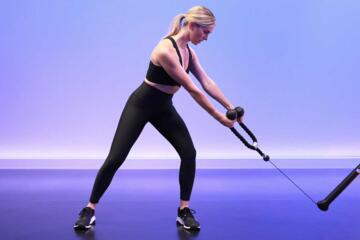
Resistance Training: Sets, Reps and Weekly Volume
Resistance training uses repeated muscle contractions to build strength and muscle. This guide explains how sets, reps, and weekly volume work together, why people often misjudge the “right” numbers, and what trade-offs matter for beginners and experienced lifters. You’ll learn practical ways to choose rep ranges, progress volume safely, and avoid common programming errors that can stall results or increase injury risk.
 Movement
06.09.2026
Movement
06.09.2026
Weekly Exercise Dose: 150 vs 300 Minutes Compared
This article compares two common weekly exercise targets—150 minutes and 300 minutes of moderate activity—and explains what changes in the body as the dose increases. It is for people planning workouts, managing weight, or aiming to reduce cardiometabolic risk without overtraining. You will learn how to interpret the difference between the targets, what outcomes are most likely, how to structure a realistic week, and when extra minutes may add diminishing returns or risk.
 Movement
31.08.2026
Movement
31.08.2026
Strength vs Power: Different Measures of Muscle Function
Strength and power describe different muscle abilities. This article explains how strength tests (like maximal force and one-rep strength) differ from power measures (like speed of movement and rate of force development). It also covers common mistakes people make when they track only one metric, how each measure relates to real tasks such as lifting, sprinting, and jumping, and what to look for when choosing assessments. Readers will learn practical ways to interpret results and avoid misleading comparisons.
 Movement
25.08.2026
Movement
25.08.2026
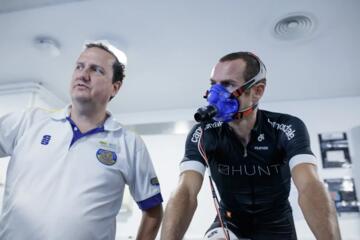
VO2 Max: How Fitness Changes With Training Volume
VO2 max reflects how much oxygen your body can use during hard exercise. This article explains how VO2 max responds to training volume, why gains often plateau, and what changes in the heart, blood, and muscles drive the number up or down. It’s for people tracking fitness with watches or lab tests who want to plan training more rationally. You’ll learn common mistakes, practical ways to adjust volume, and realistic expectations for different starting points.
 Movement
19.08.2026
Movement
19.08.2026
Zone 2: What Heart-Rate Range Actually Means
Zone 2 training refers to a moderate effort where breathing is elevated but you can usually speak in short phrases. Many people use heart-rate ranges to guide this intensity, yet the meaning of “Zone 2” changes with fitness level, device type, and how the range was calculated. This article explains what Zone 2 represents in the body, why heart-rate targets can mislead, and how to set and verify a practical range using talk tests, perceived exertion, and workout structure.
 Movement
12.08.2026
Movement
12.08.2026
A Simple Daily Mobility Routine
A simple daily mobility routine can help adults maintain joint movement, reduce stiffness, and support better physical function as they age. This guide explains practical mobility exercises that fit into busy schedules, from morning stretches to short movement breaks during the day. It is designed for people who want a realistic routine backed by exercise science instead of complicated training plans.
 Movement
06.08.2026
Movement
06.08.2026
How to Keep Your Joints Healthy as You Age
Most joint problems don’t come out of nowhere - and joint health usually isn’t saved by a last-minute “quick fix,” either. It’s built from the small choices you repeat for years: how you move, how strong you keep your muscles, how you recover, and what your daily habits look like. This guide breaks down practical, research-backed ways to support your joints as you age, including smart movement, strength training, nutrition basics, and recovery strategies. It’s for adults who want to stay active, ease stiffness, and protect their mobility so everyday life - and the workouts they enjoy - feel better for the long run.
 Movement
31.07.2026
Movement
31.07.2026
Walking vs Running: What Each Does for You
Walking and running might look similar, but they can feel very different in your body - and they support your health in different ways. This guide breaks down what each one does for your fitness, weight management, heart health, mood, and everyday energy, without turning it into a complicated training manual. Whether you’re brand new to exercise, getting back into a routine, or trying to choose a habit you can keep for the long haul, you’ll learn how to pick the option that fits your goals, schedule, joints, and motivation.
 Movement
25.07.2026
Movement
25.07.2026
How to Build a Movement Habit That Sticks
Getting into a steady movement routine usually isn’t about “more motivation” - it’s about setting up a system that works on your busiest, most stressful days too. This guide shows you how to build an exercise habit that actually fits real life, from choosing workouts you won’t dread to planning around time, fatigue, travel, and unpredictable schedules. It covers common roadblocks (like starting from zero, feeling sore, or falling off track) and practical ways to keep going without perfection. It’s written for beginners and busy adults who want sustainable routines that boost fitness, energy, and long-term health.