Exercise Intensity Basics
Exercise intensity describes how hard physical activity feels and how much physiological strain it places on the body. METs, heart rate, and RPE measure intensity from different angles: METs estimate energy cost, heart rate reflects cardiovascular strain, and RPE captures the overall perception of effort that includes breathing, muscle discomfort, and coordination demands.
METs (metabolic equivalents) express energy expenditure relative to resting metabolism. One MET equals the energy used at rest while sitting quietly. A brisk walk might land around 3–5 METs, while running at moderate pace can reach roughly 8–12 METs, depending on speed, terrain, and body size.
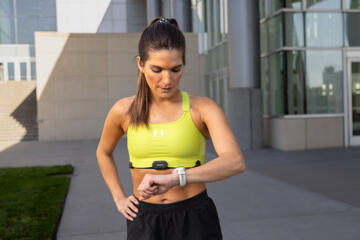
Heart rate is often used as a proxy for intensity because higher workloads typically require greater cardiac output. In practice, heart rate targets are usually expressed as a percentage of maximal heart rate or as a range tied to ventilatory thresholds, but the relationship between workload and heart rate varies across people.
RPE (rating of perceived exertion) uses a scale such as Borg 6–20 or Borg CR10. RPE integrates multiple signals that a heart rate monitor cannot capture directly, including leg fatigue and breathing discomfort. Two people can hit the same RPE at different heart rates because their fitness, technique, and muscle efficiency differ.
These measures can be compared, but they do not convert perfectly. For example, cycling often produces lower heart rates than running at the same MET level because the movement pattern recruits muscles differently and can be mechanically more efficient. Conversely, carrying a backpack or walking uphill can raise perceived exertion faster than heart rate if breathing mechanics change or if posture becomes less efficient.
Common Measurement Mistakes
People often treat METs, heart rate, and RPE as interchangeable, then become confused when they disagree. The mismatch usually comes from the fact that each metric responds to different limiting factors.
Heart rate can drift upward even when pace stays constant due to heat, dehydration, poor sleep, caffeine, anxiety, or illness. Beta-blockers and some other medications blunt heart rate response, so the same workload may produce a lower heart rate than expected. Autonomic changes after illness or during overreaching can also shift heart rate patterns.
MET estimates can be misleading when activity differs from the assumptions used to create MET tables. MET values for “walking” often assume a typical stride length and level ground. Walking on sand, climbing stairs, or moving with frequent stops can change energy cost without matching the table’s category.
RPE can be biased by technique and expectations. If someone is new to an activity, coordination demands can raise RPE even at moderate energy cost. If someone is experienced, RPE may rise more slowly because movement becomes more economical. Pain, cramps, or form breakdown can also inflate RPE without reflecting a proportional increase in cardiovascular strain.
Consequences of misreading intensity include training too hard too often, underestimating effort during safety-critical situations, or missing early signs of excessive strain. In people with cardiovascular disease, uncontrolled intensity can worsen symptoms such as chest discomfort, abnormal shortness of breath, dizziness, or palpitations. In anyone, repeated overreaching can increase injury risk through cumulative tendon and muscle loading.
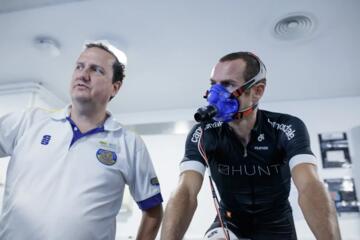
Biologically, intensity rises when energy demand increases and when the body must meet that demand through oxygen delivery, ventilation, and muscle metabolism. Heart rate tracks oxygen delivery needs, METs track energy cost, and RPE tracks the combined experience of breathing and muscle work. When one system changes faster than the others—such as heat raising heart rate or fatigue raising RPE—metrics diverge.
How To Compare METs, HR, And RPE
Use METs As Workload Context
Start by translating your activity into an approximate MET range using a reputable MET compendium or device activity profile. Then treat METs as a planning tool rather than a precise measurement. In practice, you can choose a target MET band for a session and adjust speed, incline, or resistance to stay within it.
Why this works: METs reflect energy expenditure, which drives both cardiovascular strain and perceived effort. When METs rise, breathing and muscle metabolism typically increase, so heart rate and RPE often follow.
What it looks like: If your goal is moderate intensity, you might aim for a brisk walk around 3–6 METs. If you move from level ground to a steep incline and your MET estimate jumps by a couple of units, you can expect higher RPE and usually higher heart rate.
Tools and methods: Use a treadmill incline/speed display, a cycling trainer’s resistance profile, or a wearable’s activity classification to estimate METs. Cross-check with time and distance: if your pace drops sharply on the same route, the energy cost may be higher than the MET label suggests.
Realistic outcomes: MET estimates can be off by a meaningful margin for individuals, especially with nonstandard terrain or technique. Treat the MET number as a range and watch how your body responds.
Set Heart Rate Targets Carefully
Use heart rate targets as guidance, not as a strict rule. A common approach is to use a percentage of maximal heart rate, but this method varies by age and fitness. Another approach is to use heart rate zones anchored to ventilatory or lactate thresholds, which better reflect where breathing becomes harder than expected for the workload.
Why this works: Heart rate is tied to cardiac output needs, so it often tracks intensity changes during steady effort. When conditions are stable, heart rate can help you keep sessions in a desired range.
What it looks like: During a steady 20–30 minute walk, heart rate should rise and then plateau if intensity is stable. If heart rate climbs steadily while pace stays the same, heat, dehydration, or fatigue may be increasing strain.
Tools and methods: Use a chest strap or wrist sensor, then compare trends rather than single readings. If you take medications that affect heart rate, rely more on RPE and symptom monitoring than on heart rate percentages.
Realistic outcomes: Heart rate can vary day to day. A target that feels moderate one day can feel hard another day due to sleep, stress, or illness.
Use RPE To Capture Whole-Body Strain
Choose an RPE scale and stick with it. Borg 6–20 maps roughly to heart rate in beats per minute for some people, but the mapping is not exact. A practical method is to define intensity by RPE ranges: moderate effort often lands around RPE 11–13 on Borg 6–20, while vigorous effort often lands around RPE 14–17, depending on the person and activity.
Why this works: RPE integrates breathing difficulty, muscle discomfort, and coordination demands. It can remain informative when heart rate is unreliable due to medications, heat, or sensor errors.
What it looks like: If you can speak in short sentences but not sing, RPE often sits in the moderate range. If speaking becomes difficult and breathing feels labored, RPE often rises into vigorous territory.
Tools and methods: Practice RPE calibration by comparing RPE to how you feel during a few consistent sessions. Keep notes on sleep, hydration, and route so you can interpret day-to-day changes.
Realistic outcomes: RPE can overshoot when technique is unfamiliar or when pain limits movement. Use RPE alongside symptom checks such as dizziness, chest discomfort, or unusual shortness of breath.
Educational Case Examples
Scenario 1: Brisk Walking With Heat. A person walks the same route at the same speed. MET estimates remain similar, but heart rate rises by 10–20 beats per minute and RPE increases from moderate to higher-moderate. The divergence fits heat and dehydration effects on cardiovascular strain. The practical response is to reduce pace slightly to bring RPE back toward the intended range while keeping the session continuous.
Scenario 2: Cycling Versus Running. Another person rides a stationary bike at a resistance that produces an estimated moderate MET level. Heart rate stays lower than expected compared with a previous running session at similar perceived effort. RPE matches the intended intensity, while heart rate differs due to muscle recruitment and movement mechanics. The practical approach is to set intensity using RPE and MET context for that activity, then adjust expectations when switching modalities.
METs Vs Heart Rate Vs RPE
| Metric | What It Reflects | Common Reason It Misleads | Best Use |
|---|---|---|---|
| METs | Energy cost relative to rest | Terrain, technique, and activity category don’t match the table assumptions | Planning intensity ranges and comparing sessions within the same activity |
| Heart Rate | Cardiovascular strain and oxygen delivery demand | Medication effects, heat, dehydration, stress, sensor error | Tracking trends during steady effort when conditions are stable |
| RPE | Overall perceived effort from breathing and muscle work | Pain, unfamiliar technique, motivation, and expectations | Adjusting intensity in real time when heart rate or METs are unreliable |
Step-by-step checklist for a typical steady session:
- Pick an activity and decide the intended intensity using either MET context or an RPE target range.
- Start easy for 3–5 minutes, then settle into a steady pace or resistance.
- Check heart rate trend after 5–10 minutes: it should stabilize if intensity is stable.
- Match RPE to your target range; adjust speed, incline, or resistance if RPE drifts upward.
- Reconcile disagreements: if heart rate is high but RPE stays moderate, consider heat, dehydration, or stress; if RPE is high but heart rate is low, consider technique changes or muscle fatigue.
Practical Common Mistakes
One mistake is chasing a heart rate number without checking how the session feels. A sensor reading can be wrong, and medications can blunt heart rate response. When heart rate and RPE conflict, RPE and symptoms usually deserve more weight for day-to-day adjustments.
Another mistake is using METs from a generic activity label while changing the actual workload. Walking on an incline, carrying weight, or switching from treadmill to outdoor terrain can change energy cost enough to shift intensity.
A third mistake is assuming RPE stays constant across activities. Running, cycling, rowing, and stair climbing recruit muscles differently, so the same RPE can correspond to different cardiovascular strain.
People also overinterpret short-term spikes. Heart rate can jump during hills, traffic lights, or brief accelerations. Intensity targets work best over sustained periods rather than single moments.
Finally, some people ignore warning symptoms. Unusual chest discomfort, faintness, severe breathlessness out of proportion to effort, or new irregular palpitations warrant prompt medical evaluation rather than intensity adjustment.
FAQ
How Do METs And RPE Compare?
METs estimate energy cost, while RPE reflects the combined sensation of breathing and muscle work. They often rise together, but METs can be inaccurate for nonstandard terrain and RPE can rise faster with pain or unfamiliar technique.
Why Does My Heart Rate Stay Low?
Heart rate can stay lower due to fitness, movement mechanics, or medications that affect heart rate response. Heat and dehydration usually raise heart rate, so a persistently low heart rate with high RPE can indicate a mismatch between cardiovascular and muscle limitations.
What RPE Range Counts As Moderate?
On the Borg 6–20 scale, moderate effort often falls around RPE 11–13, where breathing is harder but conversation remains possible in short phrases. The exact range varies by person and activity, so use it as a starting point and calibrate with consistent sessions.
Can I Use Only One Intensity Metric?
Using one metric can work for steady routines, but each method has blind spots. A combined approach—MET context or heart rate trend plus RPE—reduces the chance of misreading intensity when conditions change.
Why Do Metrics Disagree On The Same Workout?
Disagreement often comes from heat, hydration status, sleep, stress, medication effects, sensor error, or changes in technique and terrain. RPE and symptom monitoring usually track real strain more reliably than a single device number.
Author's Insight
METs, heart rate, and RPE describe intensity through different pathways: energy expenditure, cardiovascular strain, and perceived whole-body effort. In real life, these pathways do not always change together because heat, hydration, medications, and movement mechanics shift one signal faster than another. The most practical strategy is to treat each metric as a clue, then reconcile them using trends over time and the match between how the session feels and the workload you chose. When symptoms are unusual or severe, intensity tracking cannot replace medical assessment.
Key Takeaways
- METs estimate energy cost; heart rate tracks cardiovascular strain; RPE captures whole-body effort.
- Metrics disagree when conditions change, when medications affect heart rate, or when activity mechanics differ from the MET assumptions.
- Use heart rate as a trend during steady effort, and use RPE to adjust intensity in real time.
- Calibrate with consistent sessions, then adjust targets based on how the workout feels and how your body responds.