Movement And Aging
Longevity depends on how much the body moves across an entire day, not only the time spent inside a gym. Everyday actions such as walking to errands, climbing stairs, gardening, and carrying groceries create repeated physical signals that support health.
Formal exercise adds another layer by targeting specific abilities like strength, endurance, balance, and power. Research from the World Health Organization recommends adults complete at least 150 minutes of moderate activity weekly, along with muscle-strengthening activities on 2 or more days.
Daily movement fills the gaps.
A person who trains for 45 minutes but sits for 10 hours afterward may miss many opportunities for metabolic health. The body responds to total movement exposure, not just planned workouts.
Common Activity Gaps
Many people view exercise as a separate event rather than part of normal life. This mindset can create long inactive periods between workouts.
A 2020 study published in the British Journal of Sports Medicine found that replacing sedentary time with light activity was associated with better health outcomes. Small movements throughout the day may matter more than many people expect.
Formal workouts also have limits. A single weekly gym session cannot fully replace regular movement patterns that challenge joints and circulation throughout the day.
Skip the all-or-nothing approach. It creates unnecessary pressure.
Another problem is focusing only on calorie burn. Longevity requires preserving muscle, balance, bone strength, and the ability to perform daily tasks decades later.
Better Movement Plans
Walk More Often
Walking remains one of the simplest longevity habits because it requires little equipment and fits into daily routines. A target of 7,000–10,000 steps per day works well for many adults, although individual needs vary.
A 2021 JAMA Network Open study found that higher daily step counts were associated with lower mortality risk among older adults. The benefit came from consistency rather than extreme distances.
Lift For Strength
Strength training protects muscle mass, which naturally declines with age. Adults can lose muscle strength gradually after midlife, making resistance exercise a key part of healthy aging.
Two to three sessions weekly using weights, resistance bands, or machines can support muscle function. Programs from services like Peloton Strength or local fitness centers can help beginners learn movement patterns safely.
Break Sitting Time
Long sitting periods reduce daily movement even among active people. Standing for a few minutes every hour, taking walking breaks, or using stairs adds valuable activity.
Set reminders every 45–60 minutes if work keeps you seated. A short walk to refill water may seem minor, but repeated actions accumulate.
Train Balance Skills
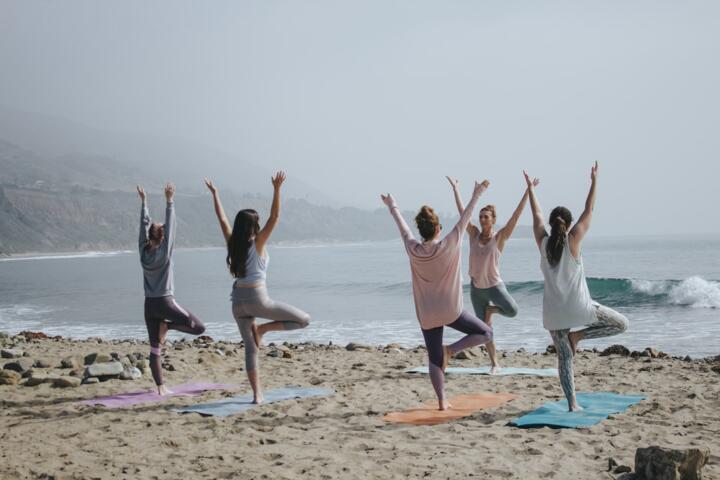
Balance becomes more important with age because falls can affect independence. Simple drills such as single-leg stands or controlled step movements take only a few minutes.
I often suggest practicing balance while waiting for coffee or brushing teeth because these moments are already built into the day.
Add Mobility Work
Joint mobility supports comfortable movement and helps people continue exercising as they age. Five to 10 minutes of stretching after activity can improve how the body feels.
Yoga platforms like Yoga with Adriene on YouTube have introduced many beginners to mobility routines, though the best program is the one someone repeats.
Use Short Workouts
Short training sessions can work well for busy schedules. A 20-minute strength routine performed 3 times weekly can improve fitness when paired with regular daily movement.
Consistency beats occasional intense sessions. You save time, reduce stiffness, and the schedule stops winning.
Real Longevity Cases
A technology company noticed employees were sitting for long periods despite offering gym memberships. The company introduced walking meetings and short movement breaks during 2023. After 6 months, participation surveys showed higher daily activity levels among employees.
A 67-year-old retiree combined neighborhood walking with 2 weekly resistance sessions using adjustable dumbbells. After 1 year, the person improved leg strength tests and reported greater confidence carrying household items.
Activity Comparison
| Type | Goal | Dose |
|---|---|---|
| Walking | Health | Daily |
| Weights | Muscle | 2x week |
| Mobility | Joints | 5 min |
Common Mistakes
One mistake is believing intense exercise cancels out inactivity. A hard workout followed by hours of sitting does not create the same pattern as regular movement.
Another mistake is ignoring strength training because walking feels easier. Walking supports health, but it does not replace resistance work for maintaining muscle.
Avoid copying someone else’s routine without adjusting for age, injuries, and fitness history. The plan must fit the person using it.
FAQ
Is walking enough for longevity?
Walking supports cardiovascular health and daily function, but adding strength training improves muscle and bone support.
How much exercise do older adults need?
Most adults benefit from 150 minutes of moderate activity weekly plus strength exercises on at least 2 days.
Can daily movement replace gym workouts?
Daily movement helps health, but structured workouts target abilities that normal activities may not challenge enough.
How many steps should I take daily?
Many studies show benefits around 7,000–10,000 steps, although goals should match personal ability.
Does strength training help aging?
Yes. Resistance training helps maintain muscle, strength, and independence as people get older.
Author's Insight
I have worked with people who chased perfect workout plans while overlooking how little they moved outside the gym. My approach starts with building a movement-rich day before adding advanced training. I prefer strength work twice weekly combined with frequent walking because it fits real life. Longevity is built through repeated actions, not occasional heroic efforts.
What to Remember
Everyday movement and formal exercise serve different purposes in a longevity plan. Walk often, train strength regularly, and reduce long sitting periods to support health over decades. The strongest routine is the one that becomes part of normal life.