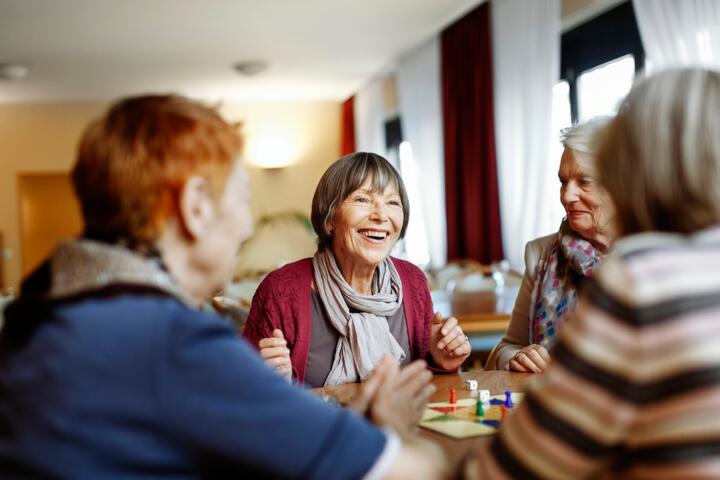
Social Ties And Life
Human connection is closely linked with long-term health because relationships influence behavior, stress regulation, and daily routines. A person who regularly talks with friends, joins community activities, or maintains family bonds often has more opportunities for movement, shared meals, and emotional support.
Longevity researchers have studied social connection for decades. A large meta-analysis published in PLOS Medicine in 2010 reviewed 148 studies involving more than 300,000 people and found that stronger social relationships were associated with a 50% greater likelihood of survival compared with weaker social ties.
Social health works through many pathways. Supportive relationships may reduce chronic stress responses, encourage healthier choices, and give people reasons to remain engaged with their surroundings.
Connection shapes aging.
Strong relationships do not need to involve a large social circle. A person with 3 close friends may experience more meaningful support than someone with dozens of casual contacts.
The quality of interactions often matters more than the number of names in a phone list. A weekly conversation with a trusted friend, a regular volunteer role, or a shared hobby group can create consistent social stimulation.
Organizations such as the :contentReference[oaicite:0]{index=0} recognize social isolation as a factor linked with poorer health outcomes among older adults. Research has connected prolonged loneliness with higher risks of depression, cognitive decline, and physical health problems.
Social Health Risks
Many people underestimate how quickly social networks can shrink after retirement, relocation, illness, or the loss of a partner. Daily contact that once came from work or family routines may disappear within months.
The problem is not simply having fewer conversations. Reduced social contact can change behavior patterns, including less physical activity, fewer medical appointments, and reduced motivation to maintain healthy habits.
Isolation can also affect stress biology. Long periods without meaningful interaction may increase feelings of threat and uncertainty, which can influence sleep quality and emotional regulation.
Less contact changes behavior.
A common mistake involves waiting for relationships to happen naturally. Adults often assume friendships will form automatically after moving to a new area, but social connection usually requires repeated effort.
Another challenge involves confusing digital contact with real connection. Sending messages or reacting to posts may maintain some contact, yet many people still need voice conversations, shared activities, and face-to-face interaction.
Social withdrawal can develop quietly. A person may cancel one lunch invitation, skip one community event, and gradually create a routine with fewer outside interactions.
Building Strong Bonds
Create Weekly Contact
Regular interaction works better than occasional attempts to reconnect after long gaps. A simple weekly schedule can turn social contact into a stable part of life.
Set recurring plans such as a Friday phone call, a walking group every Tuesday, or a monthly dinner with friends. Calendar tools such as Google Calendar can help people remember commitments, which frankly many people skip when life becomes busy.
Research on behavior change suggests that repeated actions become easier when attached to existing routines. A 15-minute conversation each week may seem small, but consistency creates familiarity.
Case Examples
A 67-year-old retired office manager noticed that daily contact with others declined after leaving work. The person spent more time at home and stopped attending activities that had previously created regular conversations.
The local community center suggested joining a weekly walking group and a monthly book discussion. After 8 months, the participant reported attending 3 social activities each month and walking approximately 90 minutes per week with the group.
The change did not come from a single friendship or program. The improvement came from creating repeated opportunities for interaction.
A second example involves a 74-year-old man recovering after relocation to a new city. His main challenge was rebuilding a support network after leaving lifelong neighbors behind.
He joined a neighborhood gardening project and used video calls with former colleagues every two weeks. After 1 year, he had developed regular contact with 6 local acquaintances and maintained long-distance relationships that might otherwise have faded.
Connection Checklist
| Action | Time | Goal | Example |
|---|---|---|---|
| Call | 15 min | Contact | Friend chat |
| Group | 1 hour | Belonging | Walking club |
| Volunteer | 2 hours | Purpose | Local project |
A practical connection plan can start with small actions:
1. Identify 3 people you trust and contact one person each week.
2. Choose one recurring group activity within 30 days.
3. Replace some passive screen time with a conversation or shared activity.
4. Track social habits for 8 weeks and notice which activities improve your mood.
5. Adjust your schedule if a commitment feels draining rather than meaningful.
Common Mistakes
Waiting For Others
Many adults wait for invitations instead of creating opportunities. This often happens after retirement when previous workplace relationships disappear.
The impact can be a smaller social network and fewer chances for connection. A practical solution involves making the first move by scheduling a coffee, joining a class, or inviting someone for a walk.
Chasing Quantity
Having many contacts does not always create emotional support. Social media numbers can look impressive while offering little help during stressful periods.
The better approach involves investing time in relationships where trust and mutual care exist. A monthly meaningful conversation may matter more than dozens of brief exchanges.
Ignoring Life Changes
Major transitions such as retirement, illness, or moving homes often require rebuilding social routines. Many people underestimate how much structure work once created.
Create new routines before isolation becomes normal. Joining a group within the first few months after a major change may reduce the difficulty of forming new connections later.
Replacing People With Screens
Digital entertainment can fill hours without creating meaningful interaction. Excessive passive use may reduce time available for relationships.
Set boundaries around screen habits. Use technology for conversations, planning visits, and maintaining relationships rather than replacing human contact.
FAQ
How do friendships affect healthy aging?
Friendships can influence aging through emotional support, shared activities, and healthier routines. People with reliable social connections often have more opportunities for movement, conversation, and encouragement during difficult periods. Research does not show that friendships alone prevent illness, but strong relationships form one part of a broader approach to healthy aging that includes medical care, sleep, nutrition, and physical activity.
How many friends do you need for longevity?
There is no fixed number of friends linked with a longer life. Research focuses more on relationship quality than a specific count. A small group of trusted people may offer stronger support than a large network of casual contacts. Regular interaction, emotional safety, and shared experiences often matter more than the size of a social circle.
Can loneliness affect physical health?
Loneliness has been associated with higher risks of several health problems, including depression, cognitive decline, and poorer overall wellbeing. It may influence stress systems and daily behaviors such as exercise habits or sleep patterns. Reducing loneliness usually requires repeated social contact rather than one-time events, so small regular interactions can be a useful starting point.
How can older adults make new friends?
New friendships often develop through repeated contact around shared activities. Community classes, volunteer work, faith groups, hobby clubs, and exercise programs create natural opportunities to meet people. Start with one activity that matches your interests and attend consistently for several weeks. Familiarity usually grows through repeated meetings rather than a single conversation.
Do online friendships count as social connections?
Online relationships can support connection, especially when distance or mobility problems limit in-person meetings. Video calls and online communities may reduce isolation when they involve real conversations. Digital contact works best when it complements other forms of interaction, because many people benefit from shared activities and physical presence as well.
Author's Insight
I view social connection as a daily health behavior rather than something separate from physical wellbeing. In my experience studying health information, the strongest relationships usually grow from repeated small interactions instead of occasional major events. I encourage people to build routines around connection because routines survive busy periods and life changes. A simple weekly conversation can become a lasting source of support.
Final Thoughts
Strong social ties support healthy aging by influencing stress management, daily habits, and emotional wellbeing. Building connections does not require a large network; consistent contact with a few trusted people can create meaningful support.
Start with one action this week: call someone you care about, join a local activity, or schedule a regular social routine. Relationships grow through repeated attention, and those small efforts can shape quality of life over many years.
Join Shared Activities
Shared interests create natural reasons to meet people. Classes, clubs, volunteer groups, and exercise programs work because the activity itself reduces pressure during conversations.
Adults over 65 often benefit from programs that combine movement and social contact. Walking clubs, community gardening projects, and group fitness sessions create opportunities for both physical activity and interaction.
The :contentReference[oaicite:1]{index=1} offers community programs in many regions, including fitness classes and group activities for older adults. Local options vary, so finding a nearby activity that fits personal interests matters more than choosing a famous program.
Protect Close Friendships
Deep friendships often require maintenance because life changes can create distance. A short message, shared meal, or regular visit can preserve relationships across years.
Research from Harvard’s Study of Adult Development, which has followed participants for more than 80 years, has repeatedly examined the relationship between close connections and wellbeing across adulthood.
Quality conversations matter. Asking about someone’s experiences creates stronger interaction than exchanging only routine updates.
Use Technology Wisely
Digital tools can support relationships when distance creates barriers. Video calls, group chats, and online communities may help people maintain contact with relatives or friends who live far away.
Services such as Zoom and WhatsApp can help families schedule regular conversations. A 20-minute video call every Sunday may create a dependable social rhythm.
Technology works best as a bridge.
Volunteer With Purpose
Helping others creates social roles that continue beyond employment. Volunteering can introduce people to new groups while creating a sense of contribution.
Organizations such as :contentReference[oaicite:2]{index=2} connect people with local volunteer opportunities based on interests and location.
A 2018 study in BMC Public Health found associations between volunteering and better wellbeing among older adults. The effect depends on the type of activity and the person’s circumstances, so choosing a realistic commitment matters.