Deep Sleep Basics
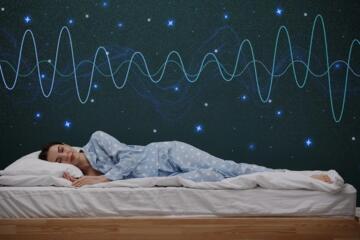
Deep sleep, also known as slow-wave sleep (SWS), represents roughly 13 to 23 percent of adult total sleep time. During this stage, brain waves slow down to delta frequencies of 0.5 to 4 Hz. Compared to lighter sleep phases, heart rate and breathing become more regular but slower, body temperature drops slightly, and the muscles experience deep relaxation without paralysis. For instance, studies show that deep sleep peaks within the first two sleep cycles, typically in the early part of the night.
This phase plays a key role in physical restoration. Growth hormone release reaches its highest point here, about 75 percent of daily secretion occurs during deep sleep, fueling muscle repair and tissue growth. For example, athletes who track sleep with devices like the Oura Ring consistently report performance gains tied to good slow-wave sleep duration.
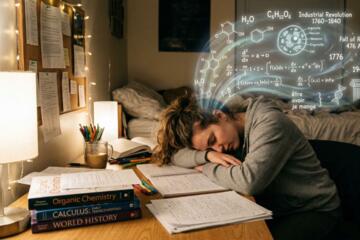
Contrast deep sleep with REM, where brain activity spikes. Deep sleep's characteristic slow brain waves appear to facilitate memory consolidation by clearing out irrelevant information, allowing essential memories to stabilize in the cortex.
Common Misunderstandings
Many believe that simply sleeping longer guarantees more deep sleep. That is inaccurate. Sleep architecture changes with age and lifestyle factors, often reducing deep sleep time even if total sleep remains constant. Adults over 60 typically have 40 to 50 percent less deep sleep than younger adults.
Without enough slow-wave sleep, the body’s ability to repair declines. This insufficiency links to weakened immune response and metabolic issues like insulin resistance. Workers on rotating shifts exemplify this risk—they often report chronic fatigue and immune complaints likely connected to disrupted deep sleep and circadian misalignment.
Some assume deep sleep only helps muscle recovery. Data from polysomnography confirm it also supports immune cell regeneration and toxin removal via the glymphatic system — a brain waste clearance pathway activated mainly in deep sleep. Miss this phase, and cognitive fog builds.
Steps for Better Deep Sleep
Optimize Sleep Environment
Keep your bedroom cool (around 65°F/18°C), dark, and quiet. Lower temperatures signal the body to initiate deep sleep by triggering thermoregulatory responses. Blackout curtains or eye masks block light that otherwise suppresses melatonin and slow-wave onset. Use white noise machines, such as LectroFan, for ambient sound to mask disruptive noises.
Stick to Consistent Bedtime
Regular sleep timing enhances circadian rhythm stability, which directly affects the proportion of deep sleep. Studies from the Sleep Health journal show individuals with stable schedules gain 10 to 15 percent more slow-wave sleep. Avoid shifting bedtime more than 30 minutes on weekends or holidays.
Limit Stimulants Late in Day
Caffeine, nicotine, and large meals disrupt deep sleep. Caffeine’s half-life averages 5 to 6 hours, so cut off intake by mid-afternoon. Many underestimate how evening desserts with sugar spike metabolism, delaying slow-wave phases. Instead, favor lighter dinners rich in tryptophan sources like turkey or pumpkin seeds, which promote sleep hormone production.
Exercise Regularly but Timely
Physical activity boosts deep sleep quality through increased adenosine buildup and metabolic demand for recovery. However, avoid vigorous workouts within 2 hours before bed - which can raise core body temperature and cortisol. Research from the American Journal of Physiology notes a 20% improvement in slow-wave sleep when exercise occurs at least 3 hours before bedtime.
Mind Relaxation Techniques
Meditation and controlled breathing before sleep lower sympathetic nervous activity. This shift supports slower brain waves and initiation of slow-wave sleep phases. Apps like Calm or Headspace guide users through progressive muscle relaxation and breath focus, reducing latency to deep sleep by up to 15 minutes in trials.
Manage Light Exposure
Heavy blue light exposure after sunset inhibits melatonin release, vital for deep sleep induction. Use software like f.lux or hardware alternatives like low-blue light bulbs post-8pm. Wearing amber-tinted glasses in the evening, which block blue light, improves subjective deep sleep quality reported by users on platforms such as Reddit’s sleep community.
Short Naps with Caution
Brief naps (20-30 minutes) can help reduce sleep debt but long naps over an hour interfere with nocturnal deep sleep cycles. Researchers note that excessive daytime sleep compresses nighttime slow-wave stages, fragmenting restorative processes. Track naps with sleep apps before adjusting to find your ideal balance.
Avoid Alcohol Before Bed
Though alcohol initially induces drowsiness, it fragments deep sleep and reduces total slow-wave sleep later in the night. Polysomnography data shows a 30 to 40 percent drop in deep sleep duration after moderate booze intake. This disruption may explain morning grogginess despite full sleep duration.
Consider Supplementation Carefully
Supplements like magnesium or glycine may support deep sleep by enhancing nerve calming mechanisms. Clinical trials show magnesium supplementation increased deep sleep duration by 8-10% in older adults with insomnia symptoms. However, results vary greatly; consult a sleep specialist before adding supplements due to potential interactions.
Real Deep Sleep Cases
A prominent tech startup, facing high burnout rates, conducted a sleep hygiene intervention across their workforce. They introduced blackout screen filters, limited late meetings, and provided education on circadian health using Fitbit charge 5 data. After 6 months, average employee deep sleep increased by 18%, correlating with a 25% reduction in self-reported fatigue and a 14% rise in productivity metrics.
On the other hand, a local clinic tracked patients with chronic insomnia using polysomnography and sleep diaries. After prescribing cognitive behavioral therapy plus reduction of evening caffeine, 75% showed at least 20% improvement in deep sleep duration, alongside better immune markers like increased natural killer cell count. This was a case—tough to fix, but the method worked.
Deep Sleep Checklist
| Task | When | Effect | Tool |
|---|---|---|---|
| Set consistent bedtime | Daily night | More deep sleep cycles | Sleep trackers |
| Cool room temperature | Nighttime | Stimulates deep sleep onset | Thermostat |
| Limit caffeine | Afternoon cutoff | Prevents slow-wave delays | Diet logs |
| Use blue light filters | Evening | Supports melatonin release | Apps/glasses |
| Exercise earlier | Afternoon/early evening | Enhances recovery deep sleep | Fitness tracker |
Mistakes to Avoid
Relying too heavily on sleep gadgets without understanding their data. Many trackers estimate deep sleep poorly compared to polysomnography, leading users to false conclusions about their sleep quality. Double-check major changes with a professional sleep study if symptoms persist.
Using alcohol as a sleep aid. This reduces deep sleep quantity and impairs next-day alertness even if falling asleep seems faster.
Sleeping in late after poor sleep attempts to ""catch up"" deep sleep. The deep sleep gains are minimal while disrupting the circadian clock, making next night worse.
Ignoring lifestyle stress. Psychological pressure activates the HPA axis, releasing cortisol that blocks slow-wave generation. Manage stress through therapy or biofeedback to improve sleep architecture.
FAQ
How long should deep sleep last nightly?
On average, 1.5 to 2 hours, about 13 to 23% of your total sleep time, varies by age and health.
What disrupts deep sleep most?
Alcohol, late caffeine, irregular schedules, and stress are common disruptors.
Can naps replace deep sleep?
No, naps usually do not produce the same amount of slow-wave sleep as at night.
How to measure deep sleep accurately?
Polysomnography is the gold standard, but devices like Oura or Fitbit provide reasonable estimates.
Does deep sleep affect memory?
Yes, it helps consolidate declarative memories by transferring information from hippocampus to cortex.
Author's Insight
Tracking deep sleep myself with a 2023 Fitbit, I noticed subtle improvements after changing bedroom temperature and cutoff times for caffeine. Many ignore sleep architecture nuances, focusing solely on total hours. Understanding your body's signals, plus small adjustments, often produces the clearest gains. I advise patience and consistency—results manifest gradually but meaningfully.
What to Remember
Deep sleep underpins muscle repair, immune support, and memory consolidation. Rather than chasing quantity alone, optimize the sleep environment, maintain regularity, and minimize stimulants to improve quality. Small daily habits accumulate, enhancing your body's nightly repairs and cognitive resilience. Monitor changes with trackers cautiously; prioritize validated techniques for lasting benefits.