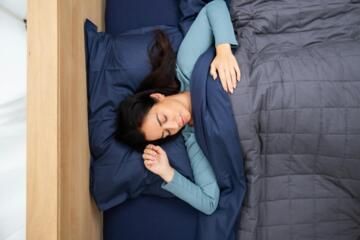
Bedroom Temperature And Sleep
Bedroom temperature is one of the few environmental factors that can be changed quickly and measured with simple tools like a thermometer. In sleep research, temperature is usually treated as a controlled exposure: researchers set a target room temperature, keep other conditions stable, and then record sleep behavior and physiology. Trials often compare a cooler setting versus a warmer setting, sometimes with the same mattress, bedding, and lighting schedule.
Controlled experiments measure outcomes that reflect both comfort and biology. Common endpoints include sleep onset latency (how long it takes to fall asleep), total sleep time, sleep efficiency, number of awakenings, and time spent in different sleep stages. Some studies also track skin temperature, core temperature proxies, heart rate, breathing patterns, or movement during sleep. These measurements help distinguish “feels comfortable” from “supports stable sleep architecture.”
Practical examples show why the details matter. A bedroom at 18°C with a heavy duvet may feel warmer than a bedroom at 20°C with breathable bedding. Humidity and airflow can change how heat leaves the skin, so two rooms with the same thermometer reading can produce different thermal sensations. Trials try to reduce these confounders, but real bedrooms rarely match laboratory conditions.
What Trials Actually Compare
Controlled trials typically compare two or more temperature conditions over several nights, often using a crossover design where participants experience each condition in random order. Researchers set the room temperature and keep lighting, noise, and bedtime consistent. They then record sleep with polysomnography (EEG-based sleep staging) or actigraphy, depending on the study.
Some trials focus on “sleep onset” outcomes, such as how quickly people fall asleep after lights out. Others focus on “maintenance,” such as awakenings and time spent awake after initial sleep. A few studies examine physiological markers like skin temperature patterns, which can indicate whether the body is able to shift into a sleep-compatible thermoregulatory state.
Because participants differ in age, body size, and habitual bedding, trials often report average effects and also describe variability. The same room temperature can produce different thermal comfort across individuals, which is why trial results usually guide ranges rather than a single universal number.
How To Choose A Bedroom Range
Start With A Measured Baseline
Use a thermometer placed near the sleeping area, not next to a heater or in direct airflow. Measure for several nights at the same bedtime and wake time. This creates a baseline that reflects your actual exposure, including how quickly the room cools after you turn off heat or close windows.
Why it works: controlled trials depend on stable exposure. Your bedroom can drift by several degrees during the night, so a single daytime reading can misrepresent what your body experiences during sleep.
What it looks like in practice: if your bedroom averages 22°C at bedtime but drops to 19°C after midnight, you are effectively testing a temperature change during the night. Bedding and clothing can shift the perceived temperature even when the room reading is stable, so note what you used during each measurement period.
Tools and methods: a simple digital thermometer with a minimum/maximum record, or a data-logging sensor, helps capture overnight swings. If you can, also track humidity because it changes heat loss by evaporation.
Realistic outcomes: many people find that small adjustments (around 1–3°C) change sleep onset or awakenings more reliably than large changes, though individual responses vary.
Match Temperature To Bedding Insulation
Adjust temperature and bedding in a coordinated way. If you lower room temperature, consider using a duvet with appropriate insulation or switching to clothing that matches the cooler environment. If you raise room temperature, use lighter bedding or breathable materials to reduce heat trapping.
Why it works: trials often keep bedding constant so that temperature is the main variable. In real bedrooms, bedding changes the thermal resistance between skin and air, which can shift comfort and sleep stability even when the thermometer reading stays the same.
What it looks like in practice: a breathable duvet cover and a lighter blanket can make a slightly warmer room feel sleep-friendly, while a heavy duvet can make a cooler room feel too cold or too warm depending on airflow and humidity.
Tools and methods: check whether your bedding is breathable and whether it retains heat. If you use a fan, keep its direction consistent so you do not create a new variable each night.
Realistic outcomes: people often notice changes in restlessness or awakenings within a few nights, but sleep adaptation varies by person and by how disruptive the temperature change is.
Use A Trial-Within-Your-Home Plan
Run a short, structured self-experiment rather than changing everything at once. Choose one temperature target and keep bedtime, wake time, caffeine timing, alcohol use, and exercise timing consistent. Test for several nights, then compare sleep onset and awakenings.
Why it works: controlled trials use repeated exposures and consistent routines. A home plan that holds other factors steady reduces the chance that stress or schedule changes explain the result.
What it looks like in practice: for example, test one setting for 3–5 nights, then switch to a second setting for another 3–5 nights. Track bedtime, time to fall asleep, number of awakenings, and perceived sleep depth.
Tools and methods: a sleep diary plus a wearable that estimates sleep stages can help, but wearables can misclassify sleep. Treat trends over multiple nights as more informative than single-night readings.
Realistic outcomes: you may see a shift in sleep onset latency or awakenings before total sleep time changes. If you feel chilled, you may be overshooting toward too-cold conditions.
Watch For Signs Of Too Cold Or Too Warm
Temperature effects show up through comfort and physiology. Too warm conditions often correlate with restlessness, more frequent awakenings, and a sensation of overheating. Too cold conditions can correlate with difficulty settling, shivering, or waking with discomfort.
Why it works: thermoregulation involves peripheral vasodilation and heat dissipation during sleep. When the environment prevents the body from cooling appropriately, sleep stability can worsen.
What it looks like in practice: if you wake repeatedly and feel hot, try reducing insulation or lowering the room temperature slightly. If you wake feeling cold or notice you are pulling blankets up repeatedly, increase insulation or raise the room temperature slightly.
Tools and methods: consider using a thermometer near the bed and noting clothing and bedding each night. If you have a smart thermostat, check whether it overshoots and then swings back, which can create alternating warm and cool periods.
Realistic outcomes: the “best” setting often differs by season because outdoor temperature and indoor humidity change, even when you keep the thermostat at the same number.
Educational Case Examples
Case 1: A 34-year-old reports that a cooler bedroom helps them fall asleep faster but causes mid-night awakenings when they use a thick duvet. They measure overnight temperatures and find the room drops more than 3°C after midnight. They keep the same bedtime routine and test a slightly warmer room while switching to a lighter duvet. Sleep onset improves and awakenings decrease, suggesting that bedding insulation and overnight temperature drift were driving the earlier discomfort.
Case 2: A 62-year-old uses a fan and keeps the thermostat at a fixed setting year-round. They notice more fragmented sleep during humid weeks. They record humidity and find it is higher in summer, while the fan direction remains constant. They keep the temperature target stable but adjust bedding to a more breathable option and reduce the fan’s direct airflow toward the face. They report fewer awakenings, consistent with humidity limiting evaporative cooling and with airflow affecting local skin cooling.
Temperature Range Checklist
| Situation | What You Might Notice | What To Adjust | How To Judge |
|---|---|---|---|
| Room feels hot | Restlessness, more awakenings, waking sweaty | Lower temperature slightly and/or use lighter, breathable bedding | Fewer awakenings and less time awake after sleep begins |
| Room feels cold | Difficulty settling, pulling blankets up repeatedly | Raise temperature slightly and/or increase insulation with a lighter layer strategy | Shorter time to fall asleep and fewer discomfort-driven awakenings |
| Humidity is high | Overheating despite moderate temperature | Use breathable bedding; consider ventilation that avoids direct drafts on skin | Improved sleep stability during humid nights compared with prior weeks |
| Temperature swings overnight | Inconsistent comfort, variable awakenings | Check thermostat settings and insulation; reduce overshoot | More consistent sleep timing and fewer “hot/cold” awakenings |
Common Mistakes To Avoid
- Changing multiple variables at once: switching temperature, bedding, and fan settings in the same week makes it hard to identify what changed sleep.
- Relying on daytime temperature: many bedrooms cool or warm after bedtime, so the exposure during sleep differs from the reading you take in the afternoon.
- Using a single-night judgment: sleep is affected by stress, schedule, and prior sleep debt; controlled trials use repeated nights to reduce this noise.
- Ignoring humidity and airflow: a “moderate” temperature can still feel too warm when humidity is high or when airflow traps warm air near the skin.
- Overcorrecting: if you feel cold, raising temperature too much can shift you into overheating and increase awakenings.
FAQ
What do controlled trials measure?
They commonly measure sleep onset latency, total sleep time, sleep efficiency, awakenings, and sometimes sleep stage distribution using polysomnography or actigraphy, along with temperature-related physiology like skin temperature patterns.
Is a cooler bedroom always better for sleep?
Controlled experiments typically find a middle range where sleep is more stable. Too cold can cause discomfort and micro-awakenings, while too warm can increase restlessness and overheating.
How do bedding and clothing affect temperature results?
Bedding insulation and fabric breathability change heat transfer between skin and room air. Trials often standardize bedding, but real bedrooms can show different outcomes at the same room temperature because insulation differs.
Do humidity and airflow change the temperature effect?
Yes. Higher humidity reduces evaporative cooling, and airflow changes how heat leaves the skin. Two bedrooms with the same thermometer reading can feel different and produce different sleep patterns.
How long should I test a new bedroom temperature?
A short plan of several nights per setting helps capture trends in sleep onset and awakenings. One night is too noisy because sleep varies with routine, stress, and prior sleep.
Author's Insight
Controlled trials treat bedroom temperature as a controlled exposure and measure sleep outcomes that reflect both comfort and thermoregulation. The most useful way to apply trial findings is to think in terms of ranges and mechanisms: the body needs to dissipate heat during sleep, and both overheating and overcooling can fragment sleep. Home testing works best when you keep routines stable and change one thermal variable at a time, while tracking overnight temperature drift, humidity, and bedding insulation. Individual responses vary, so the goal is to find a setting that reduces awakenings and discomfort for your own bedroom conditions.
Key Takeaways
- Trials measure sleep onset, awakenings, and sometimes physiological temperature markers, not just “how comfortable it feels.”
- Bedroom temperature effects depend on bedding insulation, humidity, and airflow, so a single number rarely explains everything.
- Use overnight measurements and a short repeated test to judge changes in sleep onset and sleep maintenance.
- A middle temperature range often performs better than pushing toward very cool or very warm conditions.