Daily Steps and Health
Walking remains the simplest yet effective physical activity for boosting health. Many assume 10,000 steps daily is a magic target. The figure became popular in Japan during the 1960s, inspired by a pedometer called ""manpo-kei,"" which translates to the ""10,000-step meter."" Studies show this number has some merit but isn’t a rigid requirement for everyone.
Research from the American Heart Association suggests even 7,500 steps offer clear cardiovascular benefits. For example, an observational study in 2020 involving over 16,000 adults found that people achieving 8,000 steps daily experienced a 50% reduction in premature death risk compared to those walking fewer than 4,000 steps.
Steps offer a tangible measure of movement, but intensity and consistency matter just as much. For instance, brisk walking for 30 minutes can equate roughly to 3,000 to 4,000 steps depending on pace and stride length.
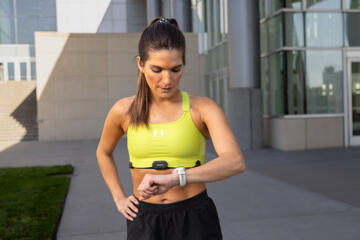
Walkers can track progress with devices like Fitbit Charge 5 or Apple Watch Series 9, which measure not only steps but also heart rate and active minutes.
Common Misconceptions
Many people think any step count target guarantees improved health; that’s not true. Setting an arbitrary 10k number ignores variations in fitness, age, and lifestyle. For sedentary individuals, 4,000 steps daily might be revolutionary, whereas for an active runner, 15,000 steps could be routine and not necessarily better.
Overestimating how many steps count toward health gains leads to neglecting intensity or giving up once the number drops short. A common scenario is office workers obsessing over step counts but rarely moving outside their routines. This stagnation increases risks of obesity, diabetes, and cardiovascular disease.
Another issue appears when people think walking alone is enough without addressing diet or muscle strength. Steps are one piece of a large health picture. Underestimating that balance causes stalled progress and frustration.
Effective Step Strategies
Start with achievable goals
For inactive people, aiming for 4,000–5,000 steps a day marks a good baseline. It builds endurance and reduces risk without injury. Tools like Google Fit suggest gradual increases of 500 steps every week for sustainable gains.
Integrate brisk walking
Adding bouts of brisk steps—speed above 3 mph—improves cardiovascular capacity faster. A 2019 study showed moderate walking excluded shorter but faster walk intervals improved VO2 max by 5% in six weeks.
Use tech for feedback
Devices such as Garmin Vivosmart 5 let users log step count plus floors climbed or active calories. Data shows whether a walk is low effort or aerobic, providing better feedback for decision-making.
Break up sedentary time
Standing or a quick 150-step break every hour during desk work beats continuous sitting. Workplace studies confirm cognition and metabolism activation from short intermittent movement.
Mix steps with strength
High step counts without muscle strengthening miss bone density benefits. Resistance bands and bodyweight workouts complement walking and reduce injury risk.
Track weekly trends
Instead of obsessing daily, observe weekly step totals. Aiming for 50,000–60,000 weekly steps even if uneven across days allows flexibility and includes rest days.
Walk purposefully
Errands or urban exploration add natural walking minutes. Using walking meetings or parking further can increase activity by several hundred steps without added time.
Account for age and health
Older adults may find 3,000 steps brisk enough; some research suggests 7,000 steps extends life expectancy in seniors. Contraindications like joint pain require adjustment rather than strict targets.
Examples of Success
A mid-sized tech company in Austin increased employee steps by redesigning the office layout. Introducing walking paths and mandatory breaks raised average daily steps from 3,500 to 7,800 over 6 months. Sick days reduced by 12%, and participant surveys noted better focus and energy.
Meanwhile, Jane, a 58-year-old accountant, used a Fitbit Inspire 3 to raise her steps from under 3,000 to 6,500 in three months, which lowered her blood pressure from 138/88 mmHg to 125/78 mmHg and reduced her medication needs.
Step Count Checklist
| Parameter | Recommended Range | Example Tool | Outcome |
|---|---|---|---|
| Inactive Start | 4,000–5,000 steps | Google Fit | Improved endurance |
| Moderate Walk | 7,000–8,000 steps | Fitbit Charge 5 | Cardio benefit |
| Active Goal | 10,000+ steps | Apple Watch | Weight & endurance |
| Senior Level | 3,000–7,000 steps | Garmin Vivosmart | Longevity benefit |
Errors to Avoid
Chasing 10,000 steps blindly causes burnout for many beginners. Try pacing increases and listen to your body's signals. Ignoring discomfort can worsen joint or muscular issues.
Obsession with daily step perfection undermines mental balance. Allow rest or low-step days—they matter. Equipment glitches or counting errors happen, and they rarely work the way the docs say. Fixate on trends over strict daily targets.
Finally, overvaluing steps while neglecting nutrition and sleep limits health progress drastically.
FAQ
Is 10,000 steps scientifically proven?
Not exactly. It’s a useful target from Japanese marketing in the 1960s but modern studies suggest benefits start closer to 7,000 or even 4,000 steps depending on individual health.
Can walking replace all exercise?
Walking provides cardiovascular and mental benefits but lacks muscle strengthening. Combining physical activities ensures overall fitness and injury prevention.
How fast should I walk?
Brisk walking near 3–4 mph delivers more cardio benefits than slow strolling. Aim to feel breathless but still able to talk.
Does the number of steps depend on age?
Yes. Older adults may benefit from fewer steps but longer durations and slower paces tailored to their condition.
What tools best track steps?
Popular trackers include Fitbit Charge 5, Apple Watch Series 9, and Garmin Vivosmart 5. These offer accuracy plus added health metrics.
Author's Insight
As someone who once struggled to hit 5,000 steps, I now find setting realistic targets makes all the difference. Tracking weekly totals instead of daily counts reduces pressure. I’ve seen colleagues transform health by adding brisk walks into lunch breaks and small daily tweaks—not radical overhauls. Sometimes, slow and steady wins, with a few faster intervals thrown in.
Key Takeaways
Too many steps aren't necessary; starting low and increasing steadily helps most. Brisk walking and strength work complement step counts for overall health. Use wearable tech for accurate feedback but prioritize comfort and consistency. Track trends weekly, avoid daily fixation, and integrate movement into routines for lasting improvements.