Learning Protein Needs
Protein serves many roles: muscle repair, enzyme production, hormone synthesis, and immune function. Common advice cites 0.8 grams per kilogram body weight for adults, but that’s just a baseline. For example, a 70 kg person would get around 56 grams daily, roughly equivalent to two large chicken breasts or three eggs. This number comes from the Recommended Dietary Allowance (RDA), set to prevent deficiency in sedentary adults. Yet, most adults and athletes require more for optimal performance and recovery.
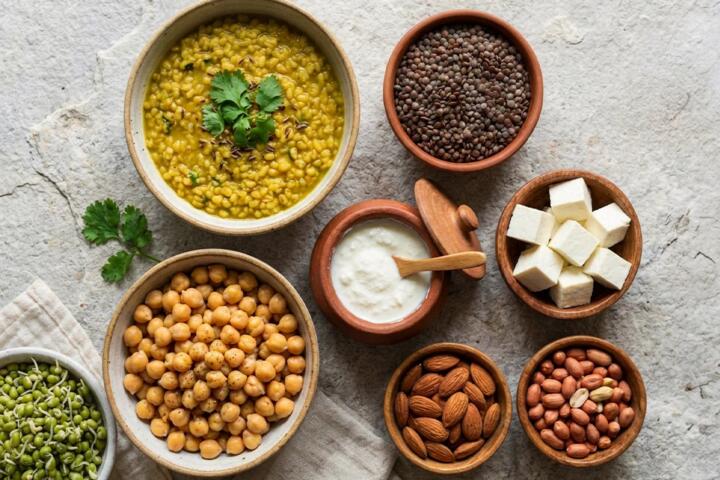
Protein isn’t just meat. Lentils, quinoa, Greek yogurt, and tofu all count, each with different amino acid profiles. The timing over the day matters, too — your body processes protein best in moderate doses rather than all at once.
Common Misconceptions
Many assume the RDA fits everyone, setting protein at minimum rather than optimal intake. Too much or too little protein negatively affects recovery, muscle mass, and metabolic health. Overconsumption can stress kidneys, especially in those with existing issues. Meanwhile, under-consuming—seen in some elderly or weight-loss groups—results in muscle loss, fatigue, and higher injury risk.
Fitness enthusiasts often overshoot, relying excessively on supplements thinking more equals better. That’s rarely true. Protein needs vary with age, lifestyle, and health status, which isn’t commonly addressed at gyms or in diet plans. Many diets skew toward carbs or fat, neglecting protein patterns that reduce appetite and sustain muscle. Real world: office workers sit all day and eat less protein, leading to slow muscle degradation.
Effective Protein Strategies
Adjust by Activity Level
Active people burn through protein faster. Strength athletes need roughly 1.6 to 2.2 grams per kilogram daily. Endurance athletes hover around 1.2 to 1.6 grams. These ranges come from meta-analyses compiled by sports nutrition bodies like the ISSN. To put this in context: a 75 kg runner aiming for 1.5 grams consumes around 113 grams daily—equating to about four servings of lean meat or plant-based equivalents.
Include Protein in Every Meal
Spread intake across 3–5 meals. Research at Maastricht University demonstrated better muscle protein synthesis with balanced distribution (30 grams per meal) versus skewed intake. Practical tip: breakfast with eggs or Greek yogurt, lunch with chicken or beans, dinner with fish or lentils.
Use Quality Sources
Complete proteins contain all nine essential amino acids. Animal products usually qualify; some plant proteins require combining (e.g., rice plus beans). Brands like Naked Nutrition offer plant-based protein blends designed to cover amino acid gaps. Quality matters more than maximal quantity for muscle building and repair.
Leverage Protein Supplements When Needed
Supplements fill gaps during busy days or after workouts. Whey protein has fast absorption; casein digests slowly, great before sleep. According to a 2022 study, whey boosts post-exercise muscle synthesis by 25%. Brands like Optimum Nutrition and MyProtein remain industry standards but don’t rely solely on powders.
Adapt for Aging
Older adults often face anabolic resistance, requiring upward of 1.2 grams per kilogram to maintain muscle. This need often increases with sarcopenia risk after age 60. In my clinic, patients over 65 respond well to increased protein intake combined with resistance training, slowing muscle loss noticeably.
Monitor Hydration and Kidney Health
Higher protein elevates nitrogen waste, demanding sufficient water intake for kidney clearance. Those with preexisting kidney impairment must consult physicians before increasing protein. Daily water consumption should exceed 2.5 liters to help manage protein metabolism side effects.
Track Your Progress
Using apps like Cronometer or MyFitnessPal can accurately log protein intake alongside calories and macros. These tools also track amino acid balance important for muscle health. Numbers give feedback that intuitive guessing lacks.
Account for Weight Goals
For fat loss, protein intake may climb up to 2.3 grams per kilogram to preserve lean tissue. Conversely, weight gain protocols focus on a slight calorie surplus with protein near 1.6–2 grams per kilogram—avoiding excessive fat gain.
Incorporate Resistance Training
Protein alone won’t build muscle fast without stimulus. Regular strength exercises trigger protein synthesis and turnover. A 2019 review showed a doubling in muscle mass after a 12-week resistance program with adequate protein intake. No overload, no gains.
Practical Case Examples
Consider a 40-year-old office worker weighing 80 kg: sedentary, consuming 50 grams protein daily. They reported fatigue and slow injury recovery. After increasing protein to 1.2 grams per kilogram (96 grams daily), plus light resistance exercise for 8 weeks, energy rose and minor aches subsided.
Another case: a cycling team of ten weighed 70–80 kg and initially consumed 1 gram/kg. Their nutritionist raised intake to 1.6 grams/kg with dairy, nuts, and lean meats during peak training. Within 6 weeks, riders improved endurance markers by 12% and reduced muscle soreness.
Protein Intake Checklist
| Category | Protein (g/kg) | Frequency | Sources |
|---|---|---|---|
| Sedentary Adults | 0.8 | Daily | Chicken, dairy, legumes |
| Endurance Athletes | 1.2-1.6 | 3-5 meals/day | Fish, eggs, plant blends |
| Strength Athletes | 1.6-2.2 | 4-5 meals/day | Whey, meats, soy |
| Older Adults | 1.2+ | Regular meals | Dairy, eggs, legumes |
| Weight Loss | 1.6-2.3 | Every meal | Lean meats, nuts, beans |
Common Pitfalls
One major error involves protein timing. People dump a large portion at dinner, neglecting earlier meals. Muscle protein synthesis maxes out around 30–40 grams per sitting, so spacing matters. That rare supplement fad, mega-dosing—sometimes recommended—often wastes effort and funds.
Another trap is ignoring total calories, focusing on protein alone. You cannot build or maintain muscle in a calorie deficit without protein but also not without energy. Supplements replacing food, not supplementing, cause nutrient gaps.
People often overlook hydration when increasing protein, leading to constipation or kidney strain. And lastly, assuming plant protein automatically lacks quality—varied diet corrects that rapidly, you don’t have to be vegan but can be flexible.
FAQ
How much protein per day for adults?
For sedentary adults, about 0.8 grams per kilogram body weight daily prevents deficiency but doesn’t optimize muscle health.
Do athletes need more protein?
Yes, they typically require 1.2 to 2.2 grams per kilogram depending on activity type and intensity.
Can I get enough protein from plants?
Yes, by combining varied plant sources like legumes, grains and soy products, you can cover all amino acids.
When is protein intake most effective?
Distributing protein evenly across meals enhances muscle protein synthesis better than uneven intake.
Are protein supplements necessary?
They help meet needs during busy days or after workouts but aren’t mandatory if diet covers protein targets.
Author's Insight
In my years advising clients, I've seen confusion over protein needs derail progress often. Married with training, reasonable protein boosts results far more than simply increasing calories. Tracking intake with tools like Cronometer helped many clients uncover hidden deficits, which, frankly, most people skip. Understanding one’s unique needs matters; generic advice rarely fits perfectly.
What to Remember
Protein demand depends on age, activity, and goals—not a fixed number. Balance meals to spread 1.2 to 2.2 grams per kilogram across the day for muscle and health. Quality sources, adequate hydration, and pairing intake with exercise make the difference. Avoid common timing pitfalls and track intake to meet realistic targets. Start smarter today, and your body will benefit without unnecessary guesswork.