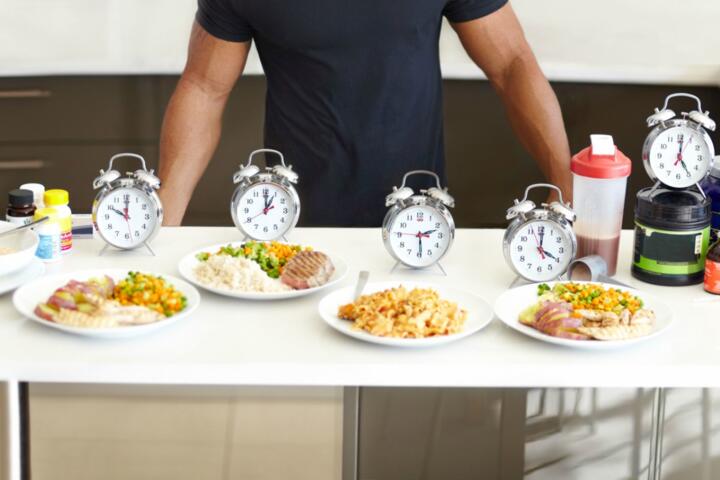
Meal Timing And Metabolism
Meal timing refers to when you eat, how long you go between meals, and how calories and protein are distributed across the day. Two people can eat the same daily calories and similar protein totals yet experience different hunger levels, energy dips, and blood sugar patterns because the timing changes the sequence of digestion, glucose appearance in blood, and insulin response.
In practical terms, meal timing shows up in everyday choices: eating a large breakfast versus a large dinner, spacing meals every 3–4 hours versus skipping breakfast, or compressing eating into a 6–10 hour window. These patterns influence how quickly carbohydrates raise blood glucose, how long insulin stays elevated, and how often the body receives amino acids that support muscle protein synthesis.
Protein timing matters because muscle protein turnover responds to amino acid availability. After a meal, amino acids rise and muscle protein synthesis increases; between meals, synthesis tends to fall toward baseline. Total daily protein still drives long-term outcomes, but the distribution across meals can change how often you “hit” the threshold for stimulating muscle protein synthesis.
Calories also interact with timing. When you eat later in the day, you may still maintain weight if total intake matches, but some people notice stronger appetite later at night or poorer sleep, which can indirectly affect next-day hunger and food choices. Timing effects vary by individual, meal composition, sleep schedule, and activity level.
2Common Timing Mistakes
A frequent mistake is focusing on meal timing while ignoring meal composition. A late meal that is high in refined carbohydrates and low in protein can raise blood glucose quickly and increase hunger sooner than a later meal with more protein and fiber. Timing changes the speed of digestion and absorption, but the macronutrient mix largely determines the magnitude of the metabolic response.
Another mistake is using long gaps without planning protein distribution. If someone eats only one meal and that meal is low in protein, muscle protein synthesis may not be stimulated often enough across the day. If the single meal is very large, digestion may feel uncomfortable and appetite regulation can become harder, leading to overeating later.
People also misread “metabolic flexibility” as a reason to skip meals indefinitely. The body can adapt to fasting periods, but prolonged restriction can worsen energy levels, training quality, and adherence. For some individuals, long gaps increase cravings and lead to compensatory overeating, which can erase any potential benefit from timing.
For those with diabetes or prediabetes risk, timing mistakes can affect glucose control. Skipping meals can cause large glucose swings for some people, especially when the next meal is large or carbohydrate-heavy. Medication type matters because insulin and insulin secretagogues can increase hypoglycemia risk when meals are delayed.
Sleep timing adds another layer. Late eating can reduce sleep quality for some people, and poor sleep is linked to higher next-day hunger and altered glucose regulation. The direction and size of these effects vary, but sleep disruption is a common reason timing strategies feel harder than expected.
Calories: Match Totals First
Start with daily calorie targets. Meal timing can change appetite and glucose patterns, but weight change still depends on energy balance over time. If the goal is fat loss, the most reliable lever is a calorie deficit that you can sustain without frequent overeating.
In practice, choose a timing pattern that supports consistent intake. For example, if you tend to overeat at night, shifting more calories earlier can reduce late-day hunger. If you feel nauseated or sluggish in the morning, a later first meal may be more realistic than forcing breakfast.
To make calorie timing practical, track intake for 1–2 weeks while keeping timing consistent. Look for patterns such as “I eat less during the day but compensate at dinner” or “I under-eat until evening and then feel ravenous.” Adjust meal size and timing rather than repeatedly changing both.
Protein Distribution Across Meals
Protein timing aims to provide amino acids frequently enough to stimulate muscle protein synthesis. A common approach is to spread protein across 3–4 eating opportunities rather than concentrating it all at once. The exact number of meals that works best depends on total daily protein, meal size, and appetite.
What to do: set a daily protein target first, then divide it across meals. Many people find that 3 meals plus a small protein-containing snack is easier than 2 large meals, especially if they train. If you use time-restricted eating, you can still distribute protein within the eating window by planning two or three protein-rich meals.
What it looks like: a person eating 120 g protein/day might aim for about 30–45 g per meal across 3 meals, rather than 90 g in one sitting. If you prefer 2 meals, each meal may need to be larger to cover the same daily total, which can be harder for digestion and appetite control.
Tools and methods: use a food diary or nutrition app to estimate protein per meal. If you train, align protein timing with training so you have amino acids available during recovery, but keep the overall daily protein total consistent.
Carbohydrates And Blood Sugar Peaks
Carbohydrate timing affects glucose and insulin patterns. A meal with more rapidly absorbed carbohydrates can produce a sharper glucose rise, especially when eaten after a long fast. Adding protein, fiber, and healthy fats slows gastric emptying and reduces the speed of glucose appearance.
What to do: if you notice energy crashes after certain meals, adjust the meal composition before changing the clock. For example, pairing rice or bread with lean protein and vegetables often produces a smoother glucose curve than eating the same carbohydrate portion alone.
What it looks like: someone who eats a large bowl of cereal at 7 a.m. may experience hunger by 10 a.m., while the same calories as Greek yogurt plus fruit and nuts can last longer. The difference comes from protein and fat slowing digestion and increasing satiety signals.
Tools and methods: for people who monitor glucose, compare readings after different meal timing patterns while keeping calories and carbohydrate grams similar. If you do not monitor, use practical markers such as hunger timing, energy stability, and cravings.
Time-Restricted Eating: Practical Boundaries
Time-restricted eating limits the hours when you consume calories, such as a 8-hour window. Some people find it reduces snacking and helps adherence, while others experience overeating during the window or sleep disruption if the last meal is too late.
What to do: choose a window that matches your schedule and sleep. A common starting point is an 10–12 hour eating window, then shorten only if it improves adherence without worsening hunger, training quality, or sleep.
What it looks like: if you sleep from 11 p.m. to 7 a.m., an eating window that ends 2–3 hours before bed often feels easier than eating right before sleep. If you train in the evening, you may need to place the last protein-containing meal closer to training to avoid feeling under-fueled.
Relevant numbers and outcomes: many people can lose weight with time-restricted eating when total calories decrease, but results vary because adherence varies. Evidence comparing time-restricted eating to standard meal timing often shows similar weight loss when calories are matched, with differences in appetite and glucose patterns depending on the person.
Educational Case Examples
Case 1: Two Meals With Training
A 35-year-old trains resistance 4 days per week and prefers two meals. They aim for the same daily protein target as before but shift from 3 meals to 2 larger meals. Hunger increases during the late evening, and they notice poorer workout performance on days when the first meal is delayed.
Education focus: the issue is not “two meals” by itself; it is protein timing and fueling relative to training. Splitting the protein within the first meal (for example, a protein-rich meal plus a smaller protein-containing snack) can raise amino acid availability without adding a third full meal.
Case 2: Prediabetes Risk And Late Eating
A 52-year-old with prediabetes risk eats most calories at dinner after a long workday. They report strong evening hunger and frequent late-night snacking. Fasting glucose is mildly elevated, and they notice that large carbohydrate portions at dinner lead to a longer period of fatigue afterward.
Education focus: timing interacts with meal composition and sleep. Moving some calories earlier, increasing protein and fiber at dinner, and reducing late-night snacking can smooth glucose responses and reduce next-day hunger, even when total daily calories change only modestly.
Timing Checklist And Comparison
| Approach | Best Fit | Common Trade-Offs | What To Watch |
|---|---|---|---|
| 3 Meals | People who prefer routine and want regular protein distribution | May feel rigid for shift work; late snacking can still occur | Hunger timing, dinner portion size, sleep quality |
| 2 Meals | People who dislike frequent eating and can tolerate larger meals | Protein may be too concentrated; training fuel may be delayed | Workout energy, digestion comfort, cravings before the first meal |
| Time-Restricted Eating | People who snack frequently and want a structured eating window | Risk of overeating during the window; late meals may worsen sleep | Adherence, hypoglycemia symptoms if on glucose-lowering meds, sleep timing |
Step-by-step checklist for choosing a timing pattern:
- Set daily targets first: choose a calorie goal and a daily protein target that you can sustain.
- Pick an eating pattern you can repeat: 2, 3, or a time window that fits your work and sleep schedule.
- Distribute protein: aim for multiple protein-containing meals or protein-containing portions within the eating window.
- Match timing to activity: place the largest protein-containing meal near training if training quality drops when you delay it.
- Adjust meal composition before changing the clock: add fiber and protein to meals that trigger hunger or energy crashes.
- Track 1–2 weeks: note hunger timing, energy, digestion, and sleep; adjust portion sizes and meal timing based on what you observe.
Common Mistakes
One mistake is changing meal timing every few days without tracking intake. Timing effects are hard to interpret when calories, protein, sleep, and activity also change. A stable baseline for 1–2 weeks makes it easier to identify what actually drives hunger and energy changes.
Another mistake is treating “fasting” as a substitute for protein. Skipping meals can reduce total calories, but it can also reduce amino acid exposure. If daily protein drops, muscle protein synthesis stimulation becomes less frequent, which can matter for people trying to maintain or build lean mass.
People also underestimate late-night eating. Even when calories are controlled, eating close to bedtime can worsen sleep for some individuals, which can increase next-day appetite and impair glucose regulation. If you notice next-day cravings after late meals, shift the last meal earlier.
For people using glucose-lowering medication, delaying meals can raise hypoglycemia risk. Timing changes should be discussed with a clinician when medication dosing depends on meal timing.
FAQ
Does Eating Later Cause Weight Gain?
Eating later does not automatically cause weight gain. Weight change depends on total calorie intake over time, but late eating can increase hunger, worsen sleep, and lead to higher calorie intake, which can indirectly affect weight.
How Many Times Per Day Should I Eat Protein?
Many people do better with 3 protein-containing meals or 2 meals plus a protein-containing snack, because it spreads amino acids across the day. The right number depends on your daily protein target, meal size tolerance, and schedule.
Is Time-Restricted Eating Better Than Regular Meals?
When total calories and protein are matched, weight loss outcomes often look similar across approaches. Differences tend to come from adherence, hunger patterns, sleep effects, and how well protein is distributed within the eating window.
Can Meal Timing Improve Blood Sugar?
Meal timing can change glucose peaks, especially when it shifts carbohydrate timing and meal size. For people with prediabetes risk, smoother glucose responses often come from pairing carbohydrates with protein and fiber and avoiding very large meals after long gaps.
What Should I Do If I Train In The Evening?
If evening training performance drops when you delay eating, place a protein-containing meal or snack closer to training. Keep the overall daily protein total consistent and avoid very large, high-carbohydrate meals right before sleep if they disrupt digestion or sleep.
Author's Insight
Meal timing affects metabolism through digestion timing, glucose appearance in blood, insulin patterns, and amino acid availability for muscle protein synthesis. The strongest driver of body weight remains energy balance, but timing can change appetite and the day-to-day experience of hunger, energy, and sleep. Protein distribution often matters when daily protein is adequate but meals are too infrequent or too small. Evidence comparing different timing schedules shows mixed results, with adherence and individual responses playing a large role.
Key Takeaways
- Match calories first; then choose a timing pattern you can repeat consistently.
- Distribute protein across multiple eating opportunities to support muscle protein synthesis throughout the day.
- Meal composition shapes glucose and hunger responses as much as timing does.
- Time-restricted eating can work when it improves adherence, but late meals may worsen sleep and increase next-day hunger.
- If you use glucose-lowering medication, delaying meals can increase hypoglycemia risk and should be planned with a clinician.