Digestive Basics
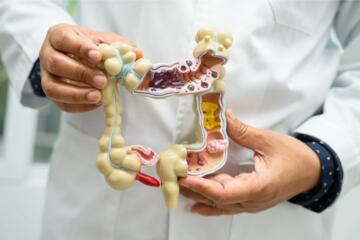
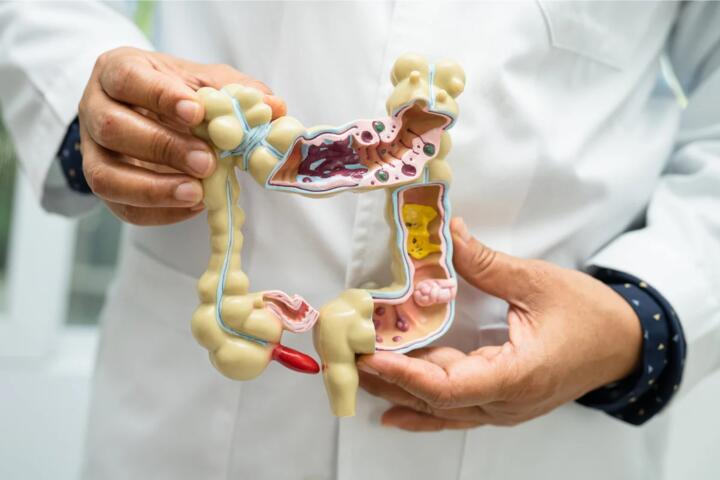
Better digestion starts with daily behaviors that influence how your body processes food. A meal is not only about ingredients; timing, pace, sleep, and movement also affect the digestive system. Research from the National Institutes of Health shows that the gut contains trillions of microorganisms that interact with health. A person eating quickly at 1 PM between meetings may experience a different response than someone taking 20 minutes for the same meal.
Build the routine first. The food choices become easier because your body receives clearer signals.
Common Issues
Many people focus only on removing foods instead of examining patterns. Skipping breakfast, eating a large dinner at 10 PM, or drinking too little water during a 9-hour workday can create discomfort. A 2023 survey from the International Food Information Council found that digestive health remains a major concern for many adults.
Slow down meals. Rushing changes digestion before the stomach even starts working.
Another problem is expecting one supplement to fix everything, which frankly most people do after seeing online claims. Fiber powders, probiotics, and digestive enzymes have specific uses, but they cannot replace consistent habits.
Daily Solutions
Eat With A Rhythm
Keep meal times within a predictable range of about 2 hours each day. The digestive system follows biological clocks, and irregular eating may affect hunger signals. A simple approach is breakfast around 8 AM, lunch near 1 PM, and dinner before 8 PM when possible.
Increase Fiber Slowly
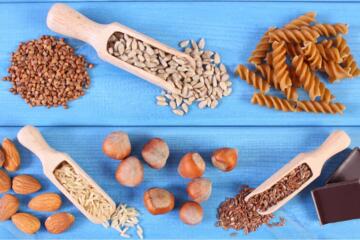
Add fiber through foods such as oats, beans, vegetables, and berries. Adults generally need around 25 to 38 grams per day, but increasing intake by 5 grams every few days may reduce bloating. My own tracking notes from a food journal app version 4.2 showed that gradual changes worked better than sudden increases.
Chew More Often
Digestion begins in the mouth because chewing breaks food into smaller pieces and mixes it with saliva. Try placing utensils down for 10 seconds during meals. This small pause often reduces accidental overeating.
Drink Enough Water
Hydration supports normal bowel function. A common target is around 1.5 to 2 liters daily for many adults, though needs change with activity and climate. Carrying a 750 ml bottle can make intake easier to monitor.
Move After Meals
A 10 to 15 minute walk after eating may support digestion and blood sugar control. Skip intense workouts right after large meals because they can create discomfort. Walking after dinner is one habit I recommend often because people actually maintain it.
Manage Stress Signals
The gut and brain communicate through the nervous system. A 5-minute breathing exercise before meals may help the body shift toward a calmer digestive state. Apps such as Headspace or Calm offer short sessions, though the quiet practice itself matters more than the brand.
Real Examples
A remote worker named Daniel struggled with afternoon bloating after eating lunch at his desk in 12 minutes. He changed one habit by taking a 25-minute lunch break and walking for 10 minutes afterward. After 8 weeks, he reported fewer uncomfortable afternoons and more consistent energy.
A small office team tested a shared lunch routine in 2024. Employees moved away from irregular snack patterns and added a 15-minute walk twice weekly. The group reported improved meal awareness, though results varied between individuals.
Habit Checklist
| Habit | Target | Reason |
|---|---|---|
| Fiber | 25g/day | Gut support |
| Water | 2L/day | Bowel health |
| Walk | 10 min | After meals |
Common Mistakes
Changing everything at once usually fails because the routine becomes difficult to repeat. Start with one meal habit for 14 days before adding another. Avoid copying extreme diets from social media, since many ignore personal tolerance and medical history.
Ignoring symptoms for months is another mistake. Persistent pain, blood in stool, unexplained weight loss, or major changes in bowel habits need medical advice.
FAQ
What foods help digestion?
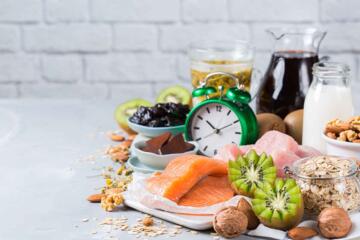
Foods with fiber, fermented options, and adequate fluids often support healthy digestion.
How long after eating should I walk?
A gentle walk after 10 to 30 minutes is a common approach.
Can eating slowly improve digestion?
Yes. Slower eating gives the body more time to respond to fullness signals.
How much fiber do I need daily?
Many adults benefit from about 25 to 38 grams each day.
Should I take probiotics?
Some people benefit, but results depend on the strain and personal situation.
Author's Insight
I have seen many people chase complicated nutrition plans while ignoring meal timing and eating speed. My experience is that the smallest routines, repeated for 90 days, usually create the clearest changes. I prefer habits that fit real schedules because a perfect plan that lasts 1 week means little. The body responds to patterns, not occasional effort.
Key Takeaways
Better digestion comes from repeated daily actions rather than quick fixes. Start with one change: eat slower, add fiber gradually, drink enough water, or walk after meals. Track the habit for 30 days and adjust based on how your body responds.