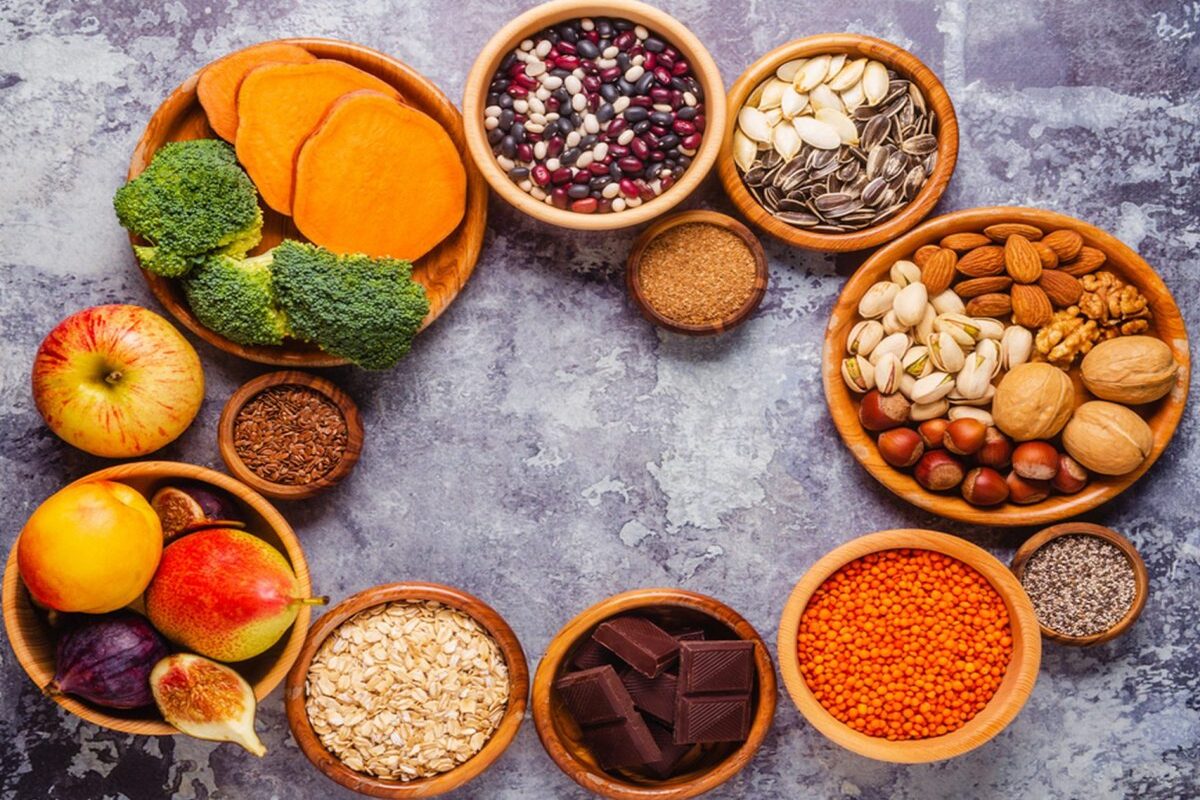
Fiber Intake Evidence
Dietary fiber refers to plant-based carbohydrates that resist digestion in the small intestine. Instead of being absorbed as nutrients, many fibers reach the colon where gut microbes ferment them into compounds that influence gut function and metabolic signaling. Soluble fibers (found in oats, beans, some fruits) form gels and slow digestion, while insoluble fibers (found in wheat bran and many vegetables) add bulk and speed stool movement. People often experience the effects as changes in stool frequency and consistency, gas, and appetite regulation, but the magnitude varies by fiber type and baseline diet.
Evidence for fiber is strongest for specific outcomes tied to digestion and cardiometabolic risk. For example, higher fiber intake is associated with improved bowel regularity and lower risk of developing colorectal cancer, and it can improve blood lipid profiles and glycemic control in some contexts. The strongest practical takeaway is not a single “magic number,” but a consistent pattern: increasing fiber gradually, choosing a mix of soluble and insoluble sources, and matching intake to tolerance.
Where People Go Wrong
A common mistake is treating fiber as one uniform nutrient. In practice, “fiber” on a label includes different components with different fermentation rates and water-binding properties. A meal heavy in one fiber type can cause bloating without delivering the same stool and metabolic effects as a mixed intake.
Another frequent error is increasing fiber too quickly. When fiber intake rises faster than the gut microbiome adapts, fermentation increases gas production and stool can become looser. This is especially likely when someone also changes fluid intake, reduces physical activity, or switches from a low-fiber diet to high-fiber foods in a short time.
Some people rely on fiber supplements while neglecting overall dietary structure. Fiber works best when it is paired with adequate hydration and regular eating patterns. If someone adds fiber but drinks less water, stool can become harder and more difficult to pass, particularly with insoluble fibers that increase bulk.
There are also situations where higher fiber can worsen symptoms. Individuals with active inflammatory bowel disease flares, significant bowel strictures, or certain motility disorders may experience pain, obstruction risk, or severe bloating with large fiber loads. In these cases, the “right” approach depends on medical context, and fiber targets should be discussed with a clinician.
Mechanistically, fiber influences digestion in several ways: it increases stool water content, changes transit time, and alters microbial fermentation. Fermentation produces short-chain fatty acids such as acetate, propionate, and butyrate, which interact with colon cells and immune signaling. Soluble fibers can also reduce post-meal glucose spikes by slowing gastric emptying and carbohydrate absorption. These pathways explain why fiber can affect both bowel habits and metabolic markers, even though individual responses differ.
How To Raise Fiber
Start Low, Go Gradual
Increase fiber in small steps over 1–2 weeks rather than changing everything at once. A practical approach is to add one fiber-rich food per day (for example, a serving of beans at lunch or oats at breakfast) and then reassess tolerance after several days. Gradual increases reduce gas and stool disruption because the gut microbiome and intestinal transit adapt over time.
What it looks like: if your current intake is low, moving from “almost no beans or whole grains” to “one serving daily” often causes less discomfort than jumping to multiple high-fiber servings immediately. A reasonable pace for many people is adding about 3–5 grams of fiber per day every few days, then adjusting based on symptoms.
Tools: keep a simple food log for 3–7 days and note stool consistency and bloating. If symptoms worsen, slow the pace or reduce the fiber type that seems to trigger discomfort.
Mix Soluble And Insoluble
Choose a blend of fiber sources to cover different functions. Soluble fibers tend to gel and support stool softness, while insoluble fibers add bulk and can help with constipation related to slow transit. A mixed pattern also increases the chance of feeding a broader range of gut microbes.
What it looks like: pair oats or chia with fruit for soluble fiber, then add vegetables or whole grains for insoluble fiber. For example, breakfast could include oats with berries, and dinner could include a large portion of vegetables plus whole-grain bread or brown rice.
Tools: use label information to compare fiber grams per serving. When possible, prioritize foods with intact fiber structure (whole beans, whole grains, vegetables) rather than relying only on isolated fiber ingredients.
Use Labels And Targets
Many nutrition labels list total fiber per serving, but serving sizes can be misleading. Check both grams of fiber and the serving amount you actually eat. If you track intake, aim for a steady rise toward commonly recommended ranges for adults, which are often expressed as grams per day based on age and sex. If you have a medical condition affecting digestion, use a clinician-guided target rather than a general one.
What it looks like: if a product lists 5 grams of fiber per serving and you eat two servings, you effectively consume 10 grams. Planning meals around fiber grams helps avoid accidental over- or under-shooting.
Tools: a nutrition app or spreadsheet can convert your typical day into total fiber grams. Use it for pattern recognition, not perfection.
Hydrate And Time Meals
Fiber changes stool characteristics by binding water and increasing bulk. Adequate fluid intake supports comfortable transit, especially when increasing insoluble fiber. Meal timing also matters: spreading fiber across the day can reduce large single-meal fermentation loads.
What it looks like: if you add a high-fiber cereal or a large bean portion, pair it with normal fluid intake and avoid stacking multiple high-fiber foods at once. Some people tolerate fiber better when they distribute it across breakfast, lunch, and dinner rather than concentrating it at one meal.
Tools: monitor hydration indirectly through urine color and thirst cues, and adjust fiber pace if you notice constipation or significant bloating.
Real-World Case Examples
Example 1 (Low-Fiber Pattern): A person who rarely eats beans or whole grains switches to oats at breakfast and adds lentils at lunch. Over 10 days, they increase from one fiber-rich meal per day to two, while keeping vegetables at dinner. They experience mild gas during the first week, then stool consistency improves and bloating settles. The key change is gradual escalation and a mix of soluble (oats, lentils) and insoluble (vegetables, whole grains) sources.
Example 2 (Busy Schedule): A person with limited cooking time uses canned beans (rinsed), frozen vegetables, and whole-grain wraps. They aim for one “ready” fiber source at each meal: beans or hummus at lunch, vegetables with dinner, and fruit or whole-grain cereal at breakfast. They track fiber for a week and notice that weekend meals are lower in fiber, so they add a consistent snack such as berries or nuts. Their bowel regularity improves without large symptom spikes because fiber is distributed and not increased all at once.
Fiber Checklist And Table
| Goal | What To Do | What You Might Notice | When To Reassess |
|---|---|---|---|
| Reduce Constipation | Add vegetables and whole grains, then include beans or oats; increase gradually and drink fluids consistently. | Softer stools and more regular bowel movements over days to weeks. | If stools become painful, very hard, or you develop severe bloating. |
| Improve Blood Sugar Patterns | Choose soluble-rich foods (oats, beans) and pair them with meals that include protein and healthy fats. | Lower post-meal glucose spikes for some people. | If gastrointestinal symptoms limit intake or if glucose control worsens for reasons unrelated to fiber. |
| Lower LDL Cholesterol | Use soluble fibers from oats and beans; keep saturated fat intake in check. | Gradual changes in lipid markers over weeks to months. | If you cannot tolerate the fiber amount or if lab changes do not match expectations. |
| Reduce Gas And Bloating | Increase fiber slowly, distribute it across meals, and consider reducing the single largest fiber source temporarily. | Less discomfort as the gut adapts. | If symptoms are severe, persistent, or accompanied by red flags like weight loss or bleeding. |
Step-by-step checklist:
- Pick one fiber-rich food you can eat daily for 3–4 days (for example, oats, beans, or lentils).
- Increase by one additional serving only after tolerance improves.
- Distribute fiber across meals instead of stacking it at one time.
- Check label fiber grams and serving size so you know what you’re actually eating.
- Adjust pace based on stool consistency and bloating, not on a single day’s outcome.
Common Mistakes
Many people overshoot their target by adding multiple high-fiber foods at once. The result is often gas, loose stools, or abdominal discomfort that leads to stopping fiber entirely. A slower ramp-up usually produces better adherence.
Some people increase fiber but reduce fluids, which can worsen constipation. Fiber binds water; without adequate intake, stool can become harder and harder to pass.
Others focus on fiber grams while ignoring food quality. A diet can reach a fiber target using refined products with added fiber, but whole foods often bring additional nutrients and may change meal structure in ways that affect tolerance and metabolic response.
Another mistake is assuming “more” always means “better.” Very high fiber intake can be uncomfortable for some people, especially those with gut sensitivity. If symptoms escalate, the practical response is to reduce the dose and reassess fiber type and distribution.
Finally, people sometimes ignore medical context. If you have a known bowel narrowing, severe inflammatory bowel disease flare, or symptoms like persistent vomiting, severe abdominal pain, or blood in stool, fiber changes should be discussed with a clinician rather than tested at home.
FAQ
How much fiber should I aim for?
General recommendations for adults are often expressed as grams per day based on age and sex, but the best target depends on your current intake, tolerance, and medical context. A gradual increase toward a reasonable daily range usually reduces side effects.
Will fiber supplements work the same as food?
Some supplements add fermentable fibers and can improve stool patterns, but food sources provide a mix of fiber types plus other nutrients. Tolerance can differ, so the most practical comparison is how your body responds to a specific fiber source.
Why do I get gas when I increase fiber?
Many fibers are fermented by gut microbes, which produces gas. When intake rises quickly, fermentation increases before the microbiome adapts, leading to temporary bloating and flatulence.
Can too much fiber cause constipation?
Yes. If fiber increases without adequate fluid intake or if the fiber dose is too high for your gut sensitivity, stool can become harder or transit can become uncomfortable. Adjusting the pace and hydration often helps.
Who should be cautious with higher fiber intake?
People with bowel strictures, active inflammatory bowel disease flares, or significant swallowing or motility problems may need individualized guidance. Severe or persistent symptoms should be evaluated rather than managed by increasing fiber.
Author's Insight
Fiber’s effects come from physical properties (water binding and stool bulk) and microbial fermentation (short-chain fatty acids and signaling changes). The evidence is strongest when fiber intake is increased gradually and when fiber sources include both soluble and insoluble types. Individual tolerance varies because fermentation capacity and gut transit differ across people. Practical success usually comes from matching fiber changes to daily routines, tracking symptoms, and avoiding abrupt jumps in dose.
Key Takeaways
- Fiber is not one nutrient; soluble and insoluble fibers behave differently in the gut.
- Increase fiber gradually to reduce gas and stool disruption.
- Use label fiber grams and serving sizes to plan realistic intake.
- Distribute fiber across meals and pair it with consistent fluid intake.
- Higher fiber can worsen symptoms in certain medical situations, so individualized guidance matters when digestion is already unstable.