Why Desk Mobility Matters
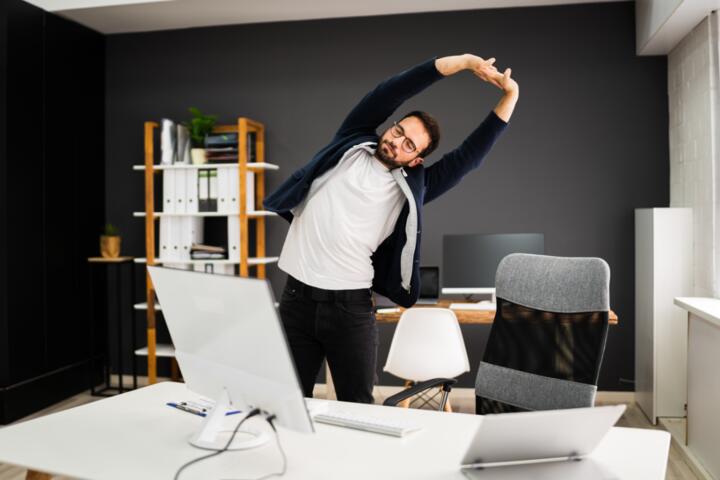
Prolonged sitting reduces joint lubrication and muscle flexibility. Studies show that office workers sit up to 10 hours daily, increasing risks of stiffness and pain. Mobility drills target key areas—neck, shoulders, hips—to counteract sitting’s effects. For instance, a 5-minute stretch every hour can improve blood flow by 21%, according to a 2020 physiology report.
Simple actions become powerful over time.
Pain from Poor Desk Habits
Many confuse stretching with mobility exercises, missing the nuance that mobility enhances joint range while stretching lengthens muscle tissue. Neglecting mobility causes tightness, affecting movement quality and causing compensations elsewhere.
Desk slouchers often experience:
- Frozen shoulders
- Lower back strain
- Hip stiffness
The discomfort can spiral, hurting concentration and productivity during crucial tasks like coding or client calls. An overlooked facet: sitting flattens the natural spinal curves, restricting functional movement. Most remedies fail because people wait too long or perform drills incorrectly.
Mobility Drills You Can Do
Neck Circles
What: Slow, controlled neck rotations. Why: Increases cervical joint lubrication, preventing stiffness common after hours of screen time. How: Sit upright, slowly rotate your head clockwise, 10 circles, then counterclockwise. Tools: None needed. Outcome: Enhanced neck flexibility, fewer headaches.
Shoulder Rolls
What: Rolling shoulders backward and forward. Why: Relaxes trapezius and deltoid muscles, combating tension buildup. How: Lift shoulders toward ears, roll back in circles, 15 times, then forward. Tools: None, though resistance bands add intensity if wanted. Expected result: Reduced shoulder tightness, improved upper back posture.
Thoracic Twists
What: Seated rotation to mobilize thoracic spine. Why: Sitting compresses this area, limiting rotational movement. How: Place hands behind the head, gently twist right then left, 12 reps per side. Tools: Office chair with swivel aids full range. Result: Better spinal rotation, less mid-back stiffness.
Hip Flexor Stretch
What: Performed sitting or standing to release tight front hip muscles. Why: Sitting shortens hip flexors, causing lower back stress. How: Shift forward on chair edge, extend one leg back. Hold 30 seconds per side. Tools: A sturdy chair. Benefits: Immediate sensation of looseness, decreased lumbar pressure.
Ankle Pumps
What: Lifting toes then heels repeatedly. Why: Stimulates circulation to lower legs, reduces swelling and stiffness. How: With feet flat, alternately lift toes and heels 30 times. Tools: None. Impact: Improved venous return, reduced fatigue during long tasks.
Seated Cat-Cow
What: Spine flexion and extension while seated. Why: Promotes spinal mobility. How: Round your back forward like a cat, then arch downward like a cow, repeating 10 times. Tools: Just your chair. Effect: Enhanced spinal fluid movement and pain relief.
Wrist Circles
What: Slow rotations of the wrists. Why: Prevent repetitive strain from mouse and keyboard use. How: Rotate wrists clockwise and counterclockwise, 20 times. Tools: None or use a small dumbbell for weight. Result: Reduced wrist tension and better range of motion.
Chest Opener
What: Clasp hands behind the back and lift slightly. Why: Counteracts forward hunching by opening chest muscles. How: Hold for 20-30 seconds per set, repeat twice. Tools: None. Outcome: Improved posture and breathing.
Seated Leg Extensions
What: Straighten one leg, hold, then lower slowly. Why: Keeps knee joint functional and activates thigh muscles. How: 15 reps per leg. Tools: None. Result: Reduced leg stiffness and support for circulation.
Examples From Workplaces
Tech startup with 50 employees suffered rising complaints of neck and back pain by mid-2023. The HR team introduced 3-minute desk mobility breaks twice daily. After four weeks, 78% reported less stiffness, with average productivity up by 11%, measured via task completion rates.
Another case: an accounting firm started mandatory mobility workshops using video sessions featuring these drills. Over a quarter, the firm saw a 24% drop in sick leave days related to musculoskeletal discomfort. It’s surprising how small adjustments influenced large-scale results.
Mobility Drill Checklist
| Drill | Duration | Reps | Target Area |
|---|---|---|---|
| Neck Circles | 1–2 min | 20 total | Neck Joints |
| Shoulder Rolls | 2 min | 30 total | Shoulders |
| Thoracic Twists | 2 min | 24 reps | Mid-back |
| Hip Flexor Stretch | 1 min per side | 2 sets | Hips |
| Ankle Pumps | 2 min | 60 pumps | Lower legs |
Common Pitfalls to Skip
Many start skipping daily drills because the relief feels minor initially. Yet, consistency—almost annoyingly—makes the difference. Avoid rushing through reps just to tick a box; too fast risks injury or minimal benefit.
Another frequent error: forcing uncomfortable stretches without adjusting posture. For example, slumped shoulders during thoracic twists limit the range instead of expanding it. Use a chair with good back support or sit upright; that alone makes a world of difference.
People often ignore signs of tension early on, mistaking tightness for normal fatigue. Regularly monitor your body's signals and adjust intensity accordingly. Lack of variety also dampens progress. Rotate your drills to engage all major joints.
FAQ
Can I do these drills in casual clothes?
Absolutely. Comfort is key; tight or restrictive clothing hampers movement. Most mobility drills require no more than normal work attire.
How often should I perform these exercises?
Twice daily sessions, ideally morning and mid-afternoon, optimize outcomes. Short breaks of 3–5 minutes every hour support sustained mobility.
Will these drills prevent long-term pain?
They reduce risk but don't guarantee complete prevention. Combined with ergonomic adjustments, they form a proactive routine.
Are there tools to track my progress?
Apps like ""StretchApp"" (v2.4) or wearable reminders can help maintain habit consistency. Journaling can track pain and flexibility changes.
What if I feel pain during exercises?
Stop immediately and evaluate form. Mild discomfort is normal; sharp pain signals harm and needs professional advice.
Author's Insight
From personal experience, integrating these drills made a visible difference by the third week. Sitting for long coding sprints, I noticed my shoulders stopped aching as much. Ergonomics helped, but movement mattered more than I realized. The slightest moments of mobility add up—especially on days packed with back-to-back meetings.
What to Remember
Desk mobility drills curb stiffness and boost motion with minimal time investment. Focus on slow, controlled movements targeting neck, shoulders, hips, and ankles. Avoid rushing or forcing stretches. Make a habit of short breaks throughout your workday, and watch discomfort decrease as mobility improves.