Building Fuller Meals
Meals that keep you full longer are built around how your body responds to food, not just calorie numbers. A plate with enough protein, fiber, and slow-digesting carbohydrates can reduce the urge to snack soon after eating.
Research from nutrition science shows that protein tends to increase feelings of fullness more than carbohydrates or fats alone. A breakfast with 25 to 35 grams of protein may help many adults stay satisfied through the morning.
The goal is not eating less food. It is choosing combinations that keep hunger signals steady for several hours.
A bowl of Greek yogurt with berries, chia seeds, and nuts works differently from a sweet pastry because digestion happens at a slower pace. The same idea applies to lunch, dinner, and snacks.
Why Hunger Returns
Many people build meals around quick energy instead of lasting satisfaction. A sandwich made mostly from refined bread may leave someone searching for another meal within 2 hours because it lacks enough protein or fiber.
Skipping meals also creates problems. A person who waits 7 or 8 hours between meals often reaches for the easiest option rather than the most nourishing one.
Portion size creates confusion too. A large plate does not always mean a satisfying plate if it contains foods that digest rapidly.
Sweet drinks are another common issue. A 500-calorie beverage may leave someone hungry because liquid calories often create weaker fullness signals than solid foods.
Fullness Strategies
Start With Protein
Protein should anchor most meals because it supports satiety and helps maintain muscle tissue. Aim for roughly 20 to 40 grams at a main meal depending on your body size and activity level.
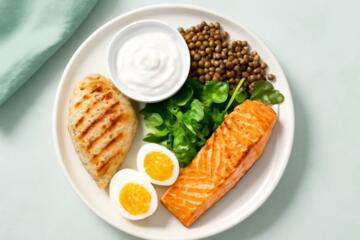
Good options include eggs, fish, chicken, tofu, lentils, cottage cheese, and Greek yogurt. A 170-gram serving of Greek yogurt often contains around 15 to 20 grams of protein, depending on the brand.
Choose protein first. It changes the entire meal.
Many clients I have worked with improved afternoon cravings by adding protein at breakfast instead of saving it for dinner. A simple change, like adding 2 eggs beside toast, can create a different hunger pattern.
Add More Fiber
Fiber slows digestion and helps food move through the digestive system at a steadier pace. Adults are often advised to aim for around 25 to 38 grams of fiber daily.
Beans, vegetables, oats, lentils, and whole grains make practical additions. A half cup of cooked lentils adds roughly 8 grams of fiber and about 9 grams of protein.
Increase fiber gradually. A sudden jump from 10 grams to 35 grams daily may cause digestive discomfort.
Include Healthy Fats
Fat adds flavor and slows stomach emptying, which can extend satisfaction after meals. Adding 1 tablespoon of olive oil, a small handful of nuts, or avocado can change how long a meal feels satisfying.
Fat should complement protein and fiber rather than replace them. A snack of nuts alone may not hold hunger as well as nuts paired with fruit and yogurt.
I often recommend measuring portions at first because foods like peanut butter and trail mix are easy to underestimate. A kitchen scale, even a basic $20 model, can teach useful portion awareness.
Choose Slow Carbs
Carbohydrates are not the problem. The type and combination matter more than the category itself.
Foods like potatoes, oats, quinoa, and brown rice digest differently from highly processed snacks. A cooled potato salad, for example, contains resistant starch that may support a healthier gut environment.
Pair carbohydrates with protein and fat. You save time, reduce waste, and the pantry stops deciding dinner.
Build Balanced Plates
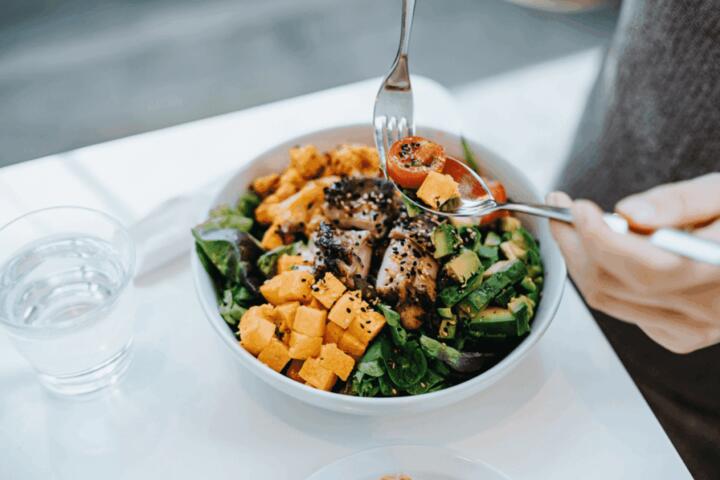
A balanced plate gives your body several signals of satisfaction at once. A useful approach is filling a large portion of the plate with vegetables, adding a protein source, then choosing a moderate amount of carbohydrates and fats.
This does not require perfect measurements. A person eating lunch at work might combine a chicken salad, whole grain bread, and olive oil dressing instead of relying on a low-protein snack box.
Small adjustments often beat strict rules, because real schedules rarely follow a meal plan perfectly.
Plan Better Snacks
Snacks work best when they prevent extreme hunger rather than replace meals. A snack with 10 to 20 grams of protein can help between longer gaps.
Examples include cottage cheese with fruit, hummus with vegetables, or a protein smoothie made with milk. Products like Chobani Greek yogurt cups are convenient choices for people who need portable options.
A snack should solve a problem. It should not create another eating decision.
Real Food Examples
A 38-year-old office worker struggled with 3 p.m. cravings despite eating lunch daily. The problem was a meal built around white rice and a small amount of chicken, which lacked enough fiber and protein.
After changing lunch to include 120 grams of chicken, vegetables, beans, and a smaller rice portion, afternoon snacking dropped from 5 days per week to about 2 days per week over 1 month.
A recreational runner had a similar issue after morning training. Adding a breakfast with oats, whey protein, berries, and almond butter helped maintain energy during 4-hour work blocks.
Meal Comparison
| Meal | Protein | Fiber | Result |
| Pastry | Low | Low | Short |
| Eggs | High | Low | Better |
| Yogurt bowl | High | Med | Long |
Common Mistakes
Many people remove entire food groups because they believe hunger means they lack discipline. The real issue may be a meal missing one major component.
Another mistake is copying someone else’s portions. A 60-kilogram person and a 100-kilogram person may need very different amounts of food to feel satisfied.
Beware of foods marketed as healthy that contain little protein or fiber. Some snack bars look nutritious on the package but contain mostly added sugar.
Build meals around your needs, then adjust after observing hunger patterns for 2 to 3 weeks.
FAQ
What foods keep you full the longest?
Protein-rich foods, high-fiber plants, and meals with moderate healthy fats usually create longer-lasting fullness.
How much protein should a meal have?
Many adults benefit from around 20 to 40 grams of protein at a main meal, depending on their goals and activity level.
Why am I hungry soon after eating?
Meals low in protein, fiber, or total volume may leave you hungry quickly. Sleep and stress can also affect appetite signals.
Are carbohydrates bad for fullness?
No. High-fiber carbohydrates paired with protein often support lasting satisfaction better than refined carbohydrate foods alone.
What is a filling breakfast?
A filling breakfast often includes protein, fiber, and enough calories to match your morning activity. Examples include eggs with vegetables or yogurt with oats.
Author's Insight
I have spent years helping people adjust meals, and the biggest pattern I notice is that hunger problems often come from meal structure rather than willpower. I prefer adding foods before removing them because it creates a more sustainable change. My own meals usually start with protein and plants before I decide what else belongs on the plate. The simple approach works because people can repeat it.
What to Remember
Meals that keep you full longer usually contain enough protein, fiber, and satisfying fats. Start by improving one meal, track your hunger for 14 days, and adjust based on real feedback from your body.
A satisfying meal does not need to be complicated. Build with purpose, use foods you enjoy, and create patterns that fit your daily routine.