Why Fiber Matters Daily
Fiber is a non-digestible carbohydrate that supports digestion and lowers the risk of chronic diseases. The USDA recommends adults consume 25 to 30 grams daily, yet surveys show most Americans get less than 15 grams. For example, one 2019 CDC survey revealed only 10% of adults meet fiber guidelines. Adding fiber improves bowel regularity and moderates blood sugar spikes by slowing digestion.
Practical fiber sources range from vegetables to whole grains and legumes. A medium apple offers about 4 grams; a half-cup of cooked lentils delivers 8 grams. Meal tweaks can add up fast, impacting overall health within weeks.
Common Fiber Pitfalls
Most people skimp on fiber due to habits centered on processed and refined foods. Snacking on chips or sweets wins over fruits, which contain both soluble and insoluble fiber types. Many also avoid whole grains because of taste or misperceptions about carbs.
Low fiber intake leads to constipation, gut imbalance, and potential spikes in LDL cholesterol. It also increases risks for some cancers and type 2 diabetes over time. In work environments where quick meals dominate, fiber ends up neglected—causing energy dips and discomfort during meetings.
People often tackle fiber by suddenly loading vegetables, which sometimes backfires with bloating. Gradual increases help. Fiber diversity matters, too: soluble fiber feeds gut bacteria, insoluble adds bulk.
Practical Fiber Boosts
Start with Breakfast Swaps
Choose steel-cut or rolled oats over sugary cereals. A 1/2-cup serving of oats provides about 4 grams of fiber. Oats stabilize blood sugar and are easy to top with berries or nuts for added fiber. This swap alone, done daily, increases fiber intake by nearly 40% compared to typical breakfast options.
Add Legumes to Recipes
Incorporate beans, chickpeas, or lentils into salads, soups, and dips. Half a cup of cooked black beans contains about 7.5 grams of fiber. Using canned beans (rinse to reduce sodium) or instant lentils cuts prep time, making fiber-rich meals accessible even on busy days.
Snack on Nuts and Seeds
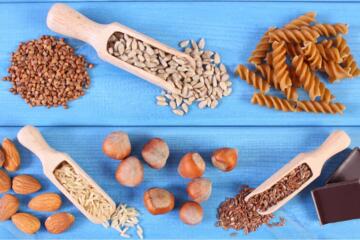
A handful of almonds (about 23 nuts) packs 3.5 grams of fiber. Flaxseeds and chia seeds also boost fiber and omega-3s. Sprinkle them on yogurt or salads. Pre-portion nuts to avoid overeating—they’re calorie-dense but fiber-friendly.
Choose Whole Fruits Over Juice
Whole fruits keep the skin and pulp where fibers live. A medium pear carries over 5 grams of fiber; a cup of orange juice usually has zero. Fruits consumed with skin intact deliver both soluble and insoluble fiber, helping digestion and satiety.
Substitute White for Whole Grains
Opt for whole wheat breads, brown rice, quinoa, or barley. For example, one slice of whole wheat bread contains 2 grams of fiber, and one cup of cooked quinoa offers 5 grams. Whole grains contain bran and germ parts that stay in white flour choices.
Incorporate Vegetables Each Meal
Vegetables like broccoli and carrots deliver 2–3 grams of fiber per half-cup cooked. Aiming to fill half the plate with vegetables automatically increases fiber. Roasting or quick stir-fries help with flavor and texture sticking adherence.
Use Fiber-Rich Baking Ingredients
Add almond flour or oat bran in muffins and pancakes, or use whole wheat flour. Incorporating psyllium husk powder (a soluble fiber) can increase fiber content by several grams per serving without taste change.
Drink Plenty of Water
Hydration supports fiber’s effects on stool softness and transit time. Increasing fiber without water leads to discomfort or constipation, which ironically discourages fiber intake. Aim for at least 8 cups daily if fiber intake rises.
Track Fiber with Apps
Apps like MyFitnessPal or Cronometer track daily fiber grams alongside calories and macros. Setting fiber goals in these tools offers feedback. The effort — which some users find fiddly — pays off in awareness and quantified progress.
Success Stories in Action
A mid-sized call center in Ohio noticed high sick days related to digestive issues. They launched a lunch program replacing standard white bread sandwiches with whole grain wraps, added a weekly bean chili option, and set fruit baskets in break areas. In six months, reported digestive discomfort dropped by 25%, and average fiber intake among participating employees rose from 12 to 29 grams daily.
A nutrition coaching startup increased client fiber intake by averaging an extra 8 grams daily through personalized meal plans incorporating nuts, fruit, and oats. After 10 weeks, clients reported reduced bloating and improved energy. Blood cholesterol numbers improved by 7% in half the group tested.
Fiber Intake Checklist
| Action | Fiber (g) | Ease Level | Examples |
|---|---|---|---|
| Oatmeal for Breakfast | 4 | Easy | Steel-cut oats, berries |
| Add Legumes | 7.5 | Moderate | Lentil soup, bean salads |
| Snack on Nuts | 3.5 | Easy | Almonds, flax seeds |
| Whole Grains Swap | 2-5 | Moderate | Wholewheat bread, quinoa |
| Vegetables per Meal | 2-3 | Easy | Broccoli, carrots |
Typical Errors
Many try to boost fiber by flooding fiber supplements while ignoring whole food sources, which leads to missing vitamins and minerals. Others increase fiber abruptly—this causes cramps and bloating, which discourages continuation.
A common slip is dependence on fruit juices or refined grains labeled ""high fiber"" but without natural fibers intact. Not drinking enough water when upping fiber slows progress and causes discomfort. Planning variety is often overlooked, yet it sustains gut bacteria better.
Tracking only calories without fiber leads to hidden deficits; I often see people meet calorie goals but miss fiber upwards 70% of their diet.
FAQ
How much fiber do adults need daily?
Adults typically require between 25 and 30 grams of fiber per day, depending on age and gender. Younger men might need slightly more, around 38 grams. Consistency matters more than exact count.
Can too much fiber be harmful?
Rapidly increasing fiber intake can cause gas, bloating, or constipation. Gradually raise fiber and drink plenty of water to prevent side effects. Extremely high fiber, over 70 grams daily, might impair nutrient absorption.
What’s the difference between soluble and insoluble fiber?
Soluble fiber dissolves in water and slows digestion, supporting cholesterol and blood sugar levels. Insoluble fiber adds bulk to stool and speeds transit through the gut. Both types are found in plant foods and contribute differently.
Are fiber supplements as effective as food?
Supplements provide fiber but lack nutrients and bioflavonoids from whole foods. They help address deficits but not replace diverse fiber-rich meals. Whole sources have prebiotic effects supplements often miss.
How to track fiber intake easily?
Using nutrition apps like Cronometer or MyFitnessPal helps track fiber grams daily. Reading product labels and aiming for whole foods with known fiber amounts streamlines the process.
Author's Insight
My experience boosting fiber started by experimenting weekly swaps, like switching cereals to oats, not overnight overhauls. Small wins mattered more than enthusiasm. Tracking food helped me realize I had lower fiber than I guessed — which, frankly, most people skip.
Fiber improved my digestion and energy, and my clients echo this. Remember: fiber works best with water and variety. Don’t ignore these or you risk frustration and stopping.
What to Remember
Daily fiber enhances digestion and overall health. Add oats, beans, nuts, whole fruits, and vegetables consistently to meet 25-30 grams. Avoid common mistakes like sudden large increases and neglecting water. Track intake with apps and adjust gradually, aiming for diverse fiber sources. This practical approach turns fiber into a manageable habit that pays dividends.