Learning Hydration Impact
Hydration influences every cell and organ in the body, shaping how effectively those systems function. For example, about 60% of the adult human body consists of water, and water makes up roughly 75% of brain mass, emphasizing hydration’s role in neural processes. Dehydration of just 2% body weight can reduce concentration and increase fatigue, which many underestimate as they push through daily tasks.
Consider athletes: marathon runners often lose around 6-10% of body fluids during races, which can cause serious performance drops and heat-related illnesses. Hydration isn’t just about drinking water—it’s about maintaining a balance of fluids and electrolytes that sustain all physiological functions.
Common Hydration Pitfalls
Many confuse thirst with hydration status, often drinking only when dry mouth signals alert them. This delay causes cognitive fog or cramps before hydration kicks in. Others rely solely on water, ignoring electrolyte balance, especially sodium, potassium, and magnesium. Without these, cells struggle to absorb water efficiently.
Swallowing sugary soft drinks or caffeine-rich beverages might seem hydrating but often increases dehydration risk, as caffeine is a mild diuretic. Dehydrating habits sneak into daily life unnoticed—like skipping water during long meetings or relying on coffee breaks alone.
The consequences reach beyond mere tiredness. Chronic mild dehydration can exacerbate kidney stones, urinary tract infections, and even joint pain due to reduced lubrication. You might feel stiff during workouts or distracted during work, but the underlying hydration factor is overlooked.
Hydration Fixes and Tips
Drink According to Activity Level
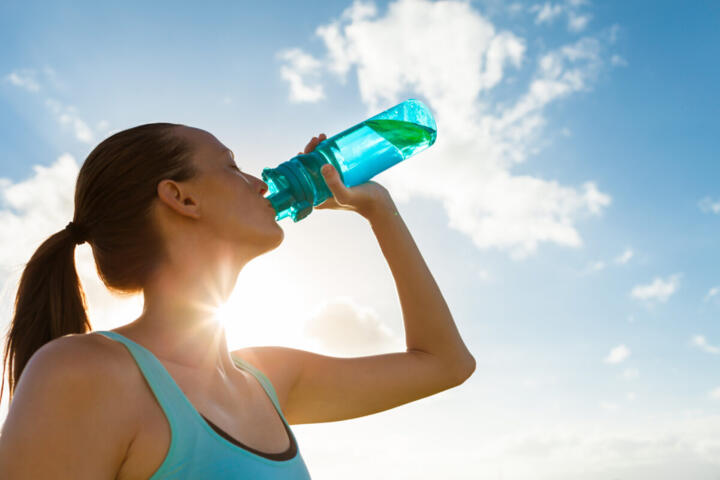
Hydration needs vary with physical exertion. Roughly 500-700 ml of fluid per hour of moderate exercise is recommended by the American College of Sports Medicine. More is needed in heat or intense training. Using hydration packs or reusable bottles like those from Hydro Flask, which maintain temperatures, helps monitor intake. Body weight before and after exercise can guide precise fluid replacement.
Include Electrolytes in Intake
Plain water won’t cover all hydration needs during heavy sweating. Sports drinks with sodium concentrations around 20-30 milliequivalents per liter support fluid retention and prevent cramps. Coconut water offers a natural option with potassium levels near 600 mg per serving. Electrolyte tablets, like Nuun Sport, provide a powder solution you can customize.
Schedule Fluid Intake
Waiting to feel thirsty isn’t a strategy. Drinking small amounts every 20-30 minutes, especially during long tasks, stabilizes hydration. Setting alarms on phones or smartwatches with hydration apps like Plant Nanny rarely works as planned, so I opt for chunking—three 250ml glasses before, during, and after work hours, which is easy to track without disrupting workflow.
Choose Hydrating Foods
Hydration extends to diet. Watermelon and cucumber top the list, with water content around 92%. Soups and broths also contribute significantly, especially in colder months when plain water intake drops. Incorporating these into meals helps maintain hydration passively.
Adjust for Climate and Season
Cold environments can reduce thirst sensation, causing inadvertent dehydration. Even mild winter exposure increases insensible water loss through breath and skin. Drinking warm tea without caffeine or infused water with lemon can boost intake. Tracking fluids with a simple journal works better here than apps, which glitch during offline use.
Limit Dehydrating Substances
Alcohol and caffeine cause fluid loss by increasing urine production. A standard 5% beer or 12-ounce coffee can impair hydration, especially when consumed in large amounts. Balancing these with an equal or greater volume of water minimizes effects. For example, a night out means one glass of water per alcoholic drink.
Use Technology Wisely
Smart water bottles like HidrateSpark 3 track consumption and sync with fitness trackers; these tools promote awareness but may irritate users with constant reminders—which I find counterproductive. Nonetheless, for those who respond well to tech, data can highlight deficits over time.
Recognize Hydration Signs Quickly
Monitoring urine color gives immediate feedback: pale straw color indicates good hydration, dark yellow means fluid deficit. Other signs include dry lips, headache, or dizziness. Acting quickly improves recovery and performance.
Customize Hydration for Health Conditions
People with diabetes, kidney issues, or heart conditions must adjust fluid intake carefully; too much or too little harms. Consulting healthcare providers and following individualized plans prevents complications and promotes balance.
Real Results from Practice
A regional delivery company, after noticing frequent driver fatigue, introduced scheduled hydration breaks with electrolyte beverages. After three months, driver absence dropped by 18%, delivery errors decreased by 12%, and subjective alertness measured via app surveys rose notably.
At a university, researchers tested students’ hydration during exam weeks. Those drinking 2-3 liters daily—including electrolyte-rich water—performed 10% better on focus tasks than peers consuming plain water casually. Cognitive changes showed measurable differences, supporting hydration's broader role.
Hydration Checklist
| Step | Action | Goal | Tool/Method |
|---|---|---|---|
| 1 | Track daily intake | Meet hydration needs | Apps or journal |
| 2 | Ingest electrolytes | Prevent cramps | Sports drinks/tablets |
| 3 | Drink consistently | Avoid thirst lag | Timers or habit |
| 4 | Eat water-rich foods | Supplement fluids | Fruit, veggies |
| 5 | Assess urine color | Gauge hydration status | Visual check |
| 6 | Limit caffeine/alcohol | Reduce fluid loss | Substitute water |
| 7 | Adjust for conditions | Maintain balance | Medical advice |
Hydration Mistakes
Ignoring thirst signals delays hydration but overdrinking can cause hyponatremia—a rare, dangerous dilution of blood sodium. People skip electrolytes or rely on social cues like coffee breaks, which often leads to suboptimal intake. Another mistake: measuring hydration solely by volume, missing signs like bloating or headaches, frequently caused by electrolyte imbalance.
Fix these by pairing hydration with appetite control and monitoring physical symptoms. Avoid sugar-heavy sports drinks—too much sugar pulls water out of cells instead of replenishing. Personal struggle: I once followed a 4-liter water plan blindly; it caused frequent bathroom runs and fatigue due to low sodium.
FAQ
How much water should I drink daily?
The average recommendation is about 2.5 liters, but needs vary with activity, climate, and diet. Tracking urine color and body signals provides personalized targets.
Can I hydrate with coffee or tea?
Moderate caffeine contributes to fluid intake but doesn’t replace plain water. Excess caffeine acts as a mild diuretic, so balance is key.
What are signs of dehydration?
Dark urine, dry mouth, headache, dizziness, and fatigue often signal dehydration. Early detection helps prevent worse symptoms.
Are sports drinks necessary for everyone?
No. They benefit people doing prolonged or intense exercise. For others, electrolyte-rich foods and water suffice.
How can I stay hydrated without constant reminders?
Build routine drinking habits around meals and activities. Use visual cues, like a half-empty water bottle, to prompt intake.
Author's Insight
In my experience working in sports nutrition and office ergonomics, hydration often ranks low on daily priorities until performance drops. Personal and client feedback confirmed that small, consistent habits deliver the biggest gains. Testing different beverage options and tools (like smart bottles or electrolyte powders) delivers mixed success; human behavior often defeats technology. I rely on combining hydration with food choices and simple monitoring techniques, which feels more sustainable.
Key Points
Hydration affects energy, cognition, and health in profound ways often overlooked. Drinking fluids consistently, balancing electrolytes, and tuning to physical signs create a sustainable hydration strategy. Customize intake with your lifestyle and environment in mind. Don't wait for thirst or ignore subtle symptoms—water impacts much more than you see.