Nutrition Labels Explained
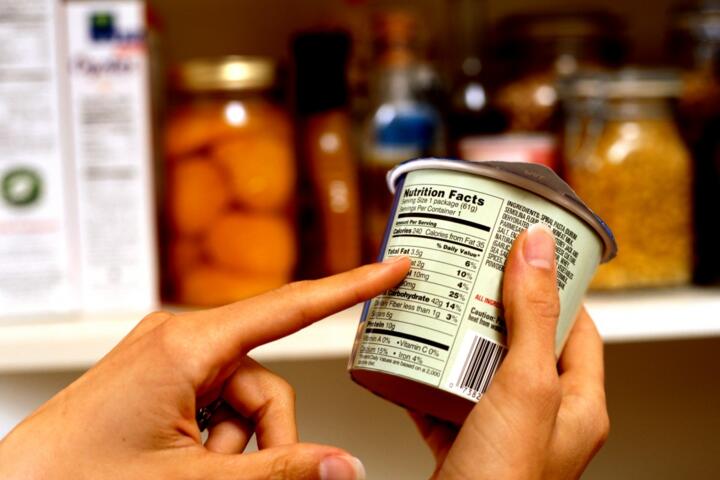
Nutrition labels offer a snapshot of what's inside packaged foods. These labels list calories, macronutrients, micronutrients, and other components in a standardized format. For instance, in the US, the FDA mandates the display of total fat, sodium, and sugars. A single serving size is key because the nutrients are calculated per that amount—like 30 grams or half a cup.
Consider reading the label on a 12-ounce soda: calories might say 150 per serving, but if the bottle contains 2.5 servings, consuming it all means 375 calories. This detail trips up many people and inflates calorie intake unintentionally.
Signs of overthinking? Trying to memorize every nutrient or agonizing over daily value percentages (DV%). Keep your focus narrow; it saves time and mental bandwidth.
Common Label Confusion
Focusing on the wrong numbers repeatedly causes more harm than help. Many zero in exclusively on calories, neglecting sugar or sodium content. That approach disregards how foods impact health beyond energy balance.
Ignoring serving sizes leads to inaccurate intake estimates. People often assume one package equals one serving, yet large snacks or drinks contain multiples. This disconnect can derail diets and increase hidden sugar or salt consumption.
Labels also use technical terms like 'polyunsaturated fats' or 'added sugars' that aren’t intuitive. Overloading on such jargon provokes anxiety and stalls decision-making in busy shoppers.
Without clear focus, shoppers tend to give up or rely on marketing claims. Those ""low-fat"" or ""natural"" labels rarely reflect healthier options comprehensively.
Practical Label Tips
Check Serving Size First
Always start with the serving size. Recognize how many servings are in the package to calculate true intake accurately. Tools like MyFitnessPal help by scanning barcodes and automatically adjusting calories per actual portions consumed. Use them to avoid mental math errors.
Prioritize Nutrients to Track
Focus on sugar, sodium, saturated fat, and protein first. Excess sugar and sodium increase risks of chronic disease, while protein supports satiety and muscle maintenance. For example, aim for less than 2300 mg sodium daily; a single canned soup might have 700 mg, eating three cans over a day overshoots limits quickly.
Ignore Total Fat Numbers
Not all fats are bad. Most people confuse total fat with harmful fat. Instead, look specifically at saturated and trans fats, which impact heart health negatively. For example, margarine brands like Earth Balance include trans fats substitutes; reading the label carefully prevents surprises.
Use % Daily Value as a Quick Guide
Percent Daily Value (%DV) shows how a nutrient in one serving fits into daily requirements. 5% DV or less means low; 20% or more means high. For instance, if a granola bar shows 25% DV sugar, it’s relatively high and will add up fast with other sugary snacks.
Learn Ingredient Order
The ingredient list appears in descending order by weight. The first few ingredients dominate the content. If sugar or high fructose corn syrup appears near the top, expect high sugar levels. For example, some ""healthy"" cereals actually list sugar before whole grains.
Be Skeptical of Health Claims
Terms like ""gluten-free"" or ""fat-free"" might distract from poor nutrition quality elsewhere. For instance, fat-free products often add sugar or sodium to maintain taste. Look deeper instead of trusting front packaging.
Scan for Allergens and Additives
If you have allergies or want to avoid artificial additives, labels list common allergens and preservatives. Some companies list sulfites, which trigger asthma symptoms, particularly on wine bottles—a detail that often goes unnoticed.
Use Apps for Instant Analysis
Apps like Yuka or Fooducate scan barcodes and rate healthiness in seconds. According to a 2022 Consumer Reports study, these apps helped 37% of users choose healthier foods in supermarket tests. They save time, reduce noise, and the inbox stops winning.
Keep a Food Diary
Note your observations from labels in a simple diary or note app. Over a week, patterns show which nutrients are creeping up or down. Then adjust shopping lists accordingly. It’s about learning gradually, not mastering labels overnight.
Real-Life Examples in Practice
In 2020, a mid-sized school cafeteria revamped lunch options after realizing students consumed excessive sodium from canned soups and processed snacks. They switched to fresh vegetable soups where labels showed sodium below 300 mg per serving, cutting average daily salt intake by 20% in three months.
Meanwhile, a couch potato tech worker used MyFitnessPal for two weeks in mid-2023 to track snacks and found hidden sugars doubled calorie intake. Logging labels helped her cut sugary treats in half and lose 4 pounds without feeling deprived.
Label Reading Checklist
| Step | Action | Focus | Outcome |
|---|---|---|---|
| 1 | Check serving size | Portion accuracy | Realistic calorie count |
| 2 | Check sugar & sodium | Sugar, salt limits | Better health choices |
| 3 | Focus on fats quality | Limit bad fats | Heart health support |
| 4 | Read ingredient list | Identify sugar sources | Avoid hidden sugars |
| 5 | Use %DV smartly | Quick nutrient check | Save decision time |
Frequent Errors and Fixes
Many mistake total carbs for sugar content. Carbs include fiber and starch, not just sugar. Confusing them leads to unnecessary cuts of healthy whole grains. Just focus on added sugar if controlling sugar intake.
People often overlook the ingredient list entirely, relying solely on calories per serving. Ingredients disclose if the food contains preservatives or artificial sweeteners, which matter for specific diets.
Misjudging serving sizes skews results heavily. Portion size guides from the USDA (like half a cup for rice) help, but household measures often mislead.
Finally, ignoring packaging claims entirely can be too extreme. Some claims align with label data, but confirm by cross-checking numbers, not trusting slogans.
FAQ
How do I know if sugar is high?
Look for total and added sugar. Over 20 grams per serving is high; aim for less. Percent Daily Value over 20% indicates a lot.
Are natural sugars better?
Sugars from fruit or milk come with nutrients and fiber. Added sugars lack benefits and add empty calories.
Can I trust ""low-fat"" labels?
Not always. Some low-fat foods replace fat with sugar or salt, which might worsen health impact.
What serving sizes should I compare?
Compare similar products using their serving sizes. Adjust portions if you consume more than stated, as labels base values per serving only.
Is fiber mentioned on labels?
Yes, fiber appears under total carbs. Aim for 25–30 grams per day to support digestion and reduce calorie absorption.
Author's Insight
I've spent years teaching label literacy. Most people get overwhelmed unnecessarily. Start by reading serving size and sugar levels, then keep it simple to avoid burnout. One minor adjustment—like halving sugary snacks—can make more difference than memorizing every nutrient. Use tools like apps only when they save you time, not if they create new worries.
Key Points
Reading nutrition labels without overthinking means focusing on a few key elements: serving size, sugar, sodium, and fats quality. Use percent daily values to gauge quickly, and check ingredient order for hidden sugars. A little practice goes far. The next time you shop, try tracking just one label element. Adjust based on patterns you notice. This approach leads to smarter, manageable choices that last.