Popular Articles
 Nutrition
23.09.2026
Nutrition
23.09.2026
Omega-3: EPA vs DHA and Evidence Strength
Omega-3 supplements contain two main long-chain fats: EPA and DHA. This article explains how EPA and DHA differ in the body, what outcomes they have been studied for, and where evidence is strong versus limited. It is for people comparing fish oil, algae oil, and diet sources, especially when they want to target a goal such as triglycerides, inflammation markers, or eye and brain health. You will learn practical ways to read labels, interpret study results cautiously, and avoid common dosing and expectation errors.
 Nutrition
17.09.2026
Nutrition
17.09.2026
Ultra-Processed Foods: How Studies Define Them
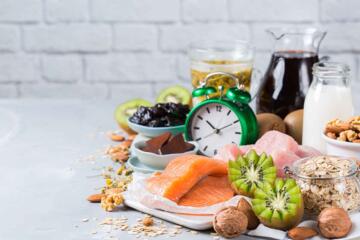
Ultra-processed foods are industrial formulations made mostly from processed ingredients, often with added flavors, colors, emulsifiers, and other additives. This article explains how researchers define “ultra-processed” using tools like NOVA, why the definition matters for study results, and what common labeling patterns look like in practice. Readers will learn how to interpret study findings, compare food choices, and avoid misleading conclusions when nutrition headlines mention ultra-processed foods.
 Nutrition
11.09.2026
Nutrition
11.09.2026
Glycemic Index vs Glycemic Load: Practical Differences
Glycemic Index (GI) and Glycemic Load (GL) describe how carbohydrate-containing foods affect blood sugar. People use them to plan meals, compare foods, and manage diabetes risk, but the two measures answer different questions. This article explains how GI and GL are calculated conceptually, why portion size changes the story, and how to apply both when choosing foods like bread, rice, fruit, and legumes. You’ll also find common mistakes, practical examples, and a decision checklist.
 Nutrition
05.09.2026
Nutrition
05.09.2026
Sodium Intake: How Daily Grams Affect Risk
Sodium intake affects blood pressure and cardiovascular risk through effects on fluid balance, blood vessel tone, and kidney handling of salt. This article explains how daily sodium grams translate into practical food choices, why many people overshoot targets without noticing, and what different intake ranges mean for risk. You’ll learn how to read labels, estimate sodium from common foods, and avoid common pitfalls like “low-salt” confusion. It’s for adults who want clearer, numbers-based guidance.
 Nutrition
30.08.2026
Nutrition
30.08.2026
Added Sugar: Free Sugars vs Total Sugars Explained
Added sugar and total sugars are often mentioned together, yet they measure different things. This article explains how “added sugars” differ from “total sugars” on nutrition labels, why the distinction matters for blood sugar and dental health, and how to interpret common foods like yogurt, cereal, and sweet drinks. You’ll learn practical label-reading steps, common mix-ups, and realistic examples to help you compare products without guessing.
 Nutrition
24.08.2026
Nutrition
24.08.2026
Fiber Intake: Soluble vs Insoluble Effects Compared
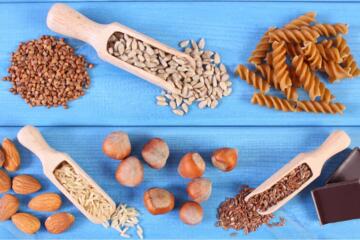
Fiber intake affects digestion, blood sugar responses, cholesterol handling, and bowel habits. This article compares soluble and insoluble fiber in plain English, with practical food examples and realistic expectations. It explains common mix-ups that lead to discomfort or missed benefits, and it outlines how to adjust fiber gradually. Readers will learn what each fiber type tends to do, how to plan meals, and when to seek medical advice for persistent symptoms.
 Nutrition
18.08.2026
Nutrition
18.08.2026
Protein Distribution: 20g vs 40g Per Meal
Protein distribution across meals affects how efficiently your body uses amino acids for muscle protein synthesis and recovery. This article explains what changes when you eat about 20 g versus 40 g of protein per meal, why timing and total daily intake matter, and how digestion and absorption influence the response. You’ll learn practical meal-planning approaches, common mistakes, and a decision checklist for choosing a per-meal target that fits your schedule and goals.
 Nutrition
14.08.2026
Nutrition
14.08.2026
How to Build Meals That Keep You Full Longer
If you feel hungry again an hour after eating, it’s often not about willpower - it’s about how your meal was put together. This guide shows you how to build satisfying meals that keep energy steady and help you stay full longer. You’ll learn why protein and fiber are so filling, how healthy fats can make meals more satisfying, and how meal timing and smart food swaps can reduce constant snacking. Everything is practical and flexible, so you can eat well without strict rules, cutting out entire food groups, or following a complicated diet plan.
 Nutrition
08.08.2026
Nutrition
08.08.2026
Fermented Foods Worth Adding to Your Week
Fermented foods are having a moment - and for good reason. Foods like yogurt, kefir, kimchi, sauerkraut, miso, and tempeh can add flavor and variety while also supporting digestion and a healthier gut. This guide breaks down which fermented options are actually worth keeping in your weekly rotation, what to look for on labels so you’re getting a quality product (not just something “pickled” in vinegar), and easy ways to work small portions into everyday meals without overhauling your diet. Expect practical tips, research-backed context, and real food examples you can use right away.
 Nutrition
02.08.2026
Nutrition
02.08.2026
Simple Habits for Better Digestion
Better digestion usually isn’t about one magic food or supplement - it’s the everyday habits that add up. This guide shares practical, doable routines that support gut health through smarter food choices, consistent meal timing, enough fluids, gentle movement, and simple ways to lower stress (because your gut notices that, too). If you’re tired of feeling bloated, uncomfortable, or unsure what’s triggering your symptoms, you’ll get a clearer picture of how your daily routine affects digestion. Over time, small changes can mean steadier energy, fewer flare-ups, and a calmer relationship with food.