Exploring Sleep Trackers
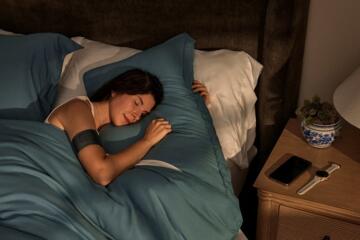
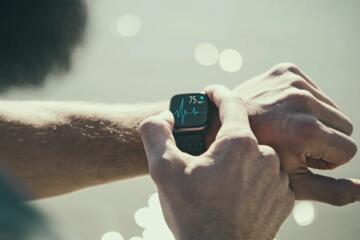
Sleep trackers record data while you sleep using sensors that monitor movement, heart rate, and sometimes breathing. Devices like Fitbit Charge 6, Oura Ring 3, and Apple Watch Series 9 produce daily sleep scores based on stages like REM, deep, and light sleep. About 50 million Americans use some form of sleep tracking device or app. The idea: these measurements help you understand your sleep quality and patterns better.
Consider a Fitbit user who notices a consistent 6.5-hour sleep report and frequent wake-ups. The tracker reveals frequent tossing, prompting a reassessment of bedtime habits or room conditions. But the data isn’t always complete or accurate. Sensors miss nuances of restfulness — a reality often invisible in raw numbers.
Sleep trackers try to quantify something complex. Their appeal lies in quantifying sleep but the data has gaps.
Common Misconceptions
Many users expect sleep trackers to diagnose sleep disorders or pinpoint causes of fatigue. They often misinterpret scores as definitive health reports rather than estimates. For example, a low sleep score does not necessarily mean you had poor recovery, just that the sensors detected less uninterrupted rest.
Companies sometimes market these as sleep solutions, but without clinical-level accuracy, they risk raising false alarms or giving false confidence. Consequences include anxiety driven by bad data or neglecting real health problems. I've seen people obsess over nightly numbers that fluctuate due to noise, mattress type, or even watch fit.
Misread insights often lead to chasing improvements guided by guesswork, not science. A sleep tracker without context sometimes creates more question marks.
How to Use Trackers
Set Baselines
Trackers help establish how long you usually sleep and typical patterns. Use week-long trends instead of nightly data. This filters out noise. For example, the Oura Ring provides a sleep score averaged over seven days, which helps spot real changes. Baselines expose gradual shifts without stress over one bad night.
Link Data and Habits
Combine sleep data with lifestyle notes. Track caffeine intake, workout times, and screen exposure alongside sleep scores. This creates cause-effect maps. Many apps integrate food and exercise logging; syncing them reveals patterns you may overlook alone. I once identified late evening social media usage as a sleep disruptor after cross-referencing data.
Improve Sleep Environment
Use tracker-reported wake-ups to experiment with temperature, noises, or light. A Fitbit Charge 6 feedback showed frequent 3 a.m. awakenings for a user, who then adjusted bedroom temperature down by 2 degrees and noise via white-noise apps. Result: 15% fewer wake episodes after two weeks.
Avoid Overtracking
One downfall I noticed (especially with Sleep Cycle app v3.7.2) is mental fixation on perfection. Skipping nights or wearing devices inconsistently lessens stress. Track only 4-5 nights a week to avoid obsession and data fatigue. Too much data means decisions slow or get tangled.
Question Sleep Stages
Many trackers estimate REM and deep sleep using heart rate variability and movement but lack EEG sensors found in labs. Take these stage breakdowns as rough guides, not medical findings. Labs classify sleep via brain waves, something wearables don’t measure well.
Compare with Subjective Feelings
Trust your experience more than the score alone. If you feel rested despite a so-so tracker reading, chances are the device missed nuances. Subjective sleep quality often predicts daytime function better. Use data to support, not replace, your perception.
Use for Sleep Improvement Studies
Researchers utilize trackers for large-scale sleep behavior data due to affordability and continuous monitoring. For individuals, these insights mimic the broader findings about sleep trends and habits. Well-conducted small studies showed a 10-15% improvement in sleep duration when participants used trackers with feedback.
Seek Medical Advice for Issues
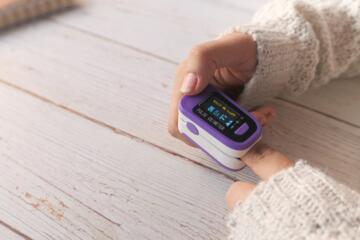
If you suspect a sleep disorder, trackers fall short. Polysomnography remains the gold standard. Devices do not detect sleep apnea reliably, a condition affecting 22 million Americans. Use trackers only as preliminary tools, and consult specialists for symptoms like loud snoring, gasping, or persistent tiredness.
Try Multiple Devices
Different trackers use sensors and algorithms uniquely. Comparing results between an Oura Ring and Apple Watch, for example, sometimes reveals notable discrepancies. Cross-checking helps identify consistent trends and filter out device-specific errors.
Real-Use Examples
A startup tech worker logged sleep via Fitbit Charge 5 for three months. She focused on late-night screen use and caffeine patterns. After setting a daily caffeine cutoff of 2 p.m. and adding blackout curtains, her average sleep quality score increased by 12% and subjective daytime alertness improved.
Another case involved a runner who used Whoop Strap 4.0 to optimize recovery. Adjusting workouts based on cardiac recovery scores reduced injury downtime by 20%. Both underline how trackers assist with lifestyle tweaks, not replace diagnostic tools.
Features Compared
| Feature | Fitbit Charge 6 | Oura Ring 3 | Apple Watch S9 |
|---|---|---|---|
| Sleep Stages | Light, Deep, REM | Light, Deep, REM | Light, Deep, REM |
| Heart Rate Monitor | Continuous | Continuous | Continuous |
| Respiratory Rate | No | Yes | No |
| Battery Life | 7 days | 5 days | 18 hours |
| Price Range | $150-$180 | $300-$350 | $399-$499 |
Tracking Errors to Avoid
Ignoring device fit kills data accuracy, which, frankly, most people skip. Trackers require snug contact with skin; loose bands cause noisy heart rate readings and erratic sleep phase detection. I learned this using an early Apple Watch, where sleep scores jumped unpredictably with wrist looseness.
Don’t trust absolute numbers like exact sleep stage minutes. Use the trends and patterns. Avoid overreacting to single poor nights. Avoid tracking every single variable without forming actionable hypotheses. Avoid relying on the device to diagnose apnea or restless leg syndrome; these need clinical tests.
Lastly, avoid switching devices too frequently. Algorithms vary; changing trackers resets baselines and causes confusion. Consistency helps solidify insights.
FAQ
How accurate are sleep trackers?
Sleep trackers accurately record movement and heart rate but estimate sleep stages less reliably than polysomnography. Typical accuracy is 70-85% for total sleep time.
Can a sleep tracker diagnose disorders?
No. Trackers lack clinical sensors to diagnose disorders like sleep apnea or narcolepsy. They serve only as tools to notice possible issues.
How long should I track sleep patterns?
A minimum of one week is needed for meaningful trends. Longer periods up to a month reveal lifestyle impacts on sleep quality.
Do sleep trackers improve sleep?
They can improve sleep when combined with lifestyle changes. Feedback encourages better habits but only if users act on the data.
Are wrist trackers better than rings?
Wrist trackers tend to monitor movement more; rings often capture heart rate variability better. Choose based on comfort and focus.
Author's Insight
I have tested several trackers deeply—Fitbit Charge 4, Oura Ring, and Apple Watch SE. Each offers valuable data but with limits. The most useful takeaway: use sleep data as a guide, not gospel. My sleep improved after correlating tracker insights with nightly routines rather than chasing perfect scores. Consistency in tracking beats chasing tech upgrades.
Key Points
Sleep trackers offer a window into rest patterns but no silver bullet. They help identify baseline sleep, link habits to sleep disruption, and monitor lifestyle-related improvements. Avoid obsessing over inaccurate sleep stage data and use multiple data points for context. Combine with subjective experience and consult professionals for serious issues. Using trackers thoughtfully can improve rest quality without becoming a tech burden.