Smart Health Tools
Budget health gadgets have moved beyond simple step counters. A useful device should answer a practical question, such as whether you are moving enough during the day, sleeping consistently, or noticing changes in heart rate patterns. The right tool does not replace medical care, but it can help you spot habits that need attention.
Many affordable wearables now include sensors that were once limited to premium models. Devices under $100 can track steps, estimate heart rate, monitor sleep duration, and connect with smartphone apps. The Smart Band series, for example, has helped bring basic health tracking to a wider audience with models often priced below flagship fitness watches.
Skip expensive features first. Most people gain more from consistent tracking than from advanced metrics they never review.
Common Buying Errors
Many shoppers focus on the number of sensors instead of asking how a device fits into their routine. A blood oxygen reading that sits unused for 6 months does little compared with a simple step goal you check every evening.
Cheap gadgets also vary widely in accuracy. A 2024 review from researchers studying consumer wearables found that wrist-based heart rate tracking generally performs better during steady activity than during intense movement. This difference matters for people using devices during interval workouts or sports sessions.
Another problem comes from data overload. Some apps display dozens of measurements, which frankly most people skip after the first week. A practical health gadget should reduce guesswork, not create another daily task.
Look for devices with clear apps, reliable charging, and settings that match your goals. A $40 tracker used daily can offer more insight than a $300 watch left in a drawer.
Budget Picks
Fitness Bands
Fitness bands remain one of the easiest entry points for health tracking. Models like the series focus on activity, sleep, and heart rate trends without the cost of a smartwatch.
A basic tracker can record 5,000 to 15,000 daily steps depending on your target. For someone starting a walking habit, seeing progress from 3,000 steps per day to 7,000 steps creates a measurable change.
The Fitbit app has been refined over years, although some users find subscription prompts frustrating. The free features still cover many beginner needs, including activity history and sleep summaries.
Smart Scales
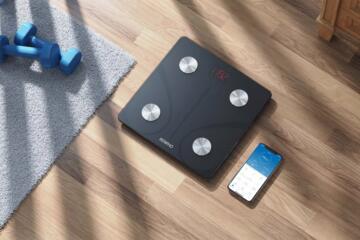
Smart scales can help people understand body trends instead of reacting to single weigh-ins. Models from and similar brands estimate weight changes, body composition, and long-term patterns through connected apps.
A useful approach is checking weekly averages rather than daily fluctuations. Body weight can shift by 2 to 5 pounds from water changes alone, so one morning measurement rarely tells the whole story.
Smart scales work best in homes where several people track progress because automatic profiles reduce manual logging. The data becomes more useful after 30 to 60 days of regular use.
Sleep Trackers
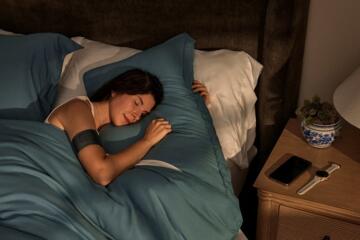
Sleep gadgets have become popular because many adults underestimate how much rest affects energy and recovery. The range includes lower-cost watches with sleep monitoring features often found on more expensive products.
A sleep tracker may show bedtime consistency, estimated sleep stages, and nighttime interruptions. These numbers are not perfect measurements, but they can reveal patterns such as sleeping 6 hours on weekdays and catching up on weekends.
Change bedtime first. The data comes later.
Blood Pressure Monitors
Home blood pressure monitors are among the most useful health gadgets for many adults, especially those monitoring hypertension. Upper-arm devices generally offer better readings than wrist models when used correctly.
Brands such as sell clinically tested home monitors, with many models priced around $50 to $100. Tracking readings over several weeks gives healthcare providers better information than a single clinic measurement.
Check technique carefully. Cuff placement, sitting position, and resting for 5 minutes before measuring can change results.
Portable Activity Tools
Not every useful health gadget needs an app. Simple tools such as resistance bands, posture reminders, and digital timers can improve daily movement habits at low cost.
A $15 resistance band set can support strength exercises at home, especially when paired with programs from services like :contentReference[oaicite:5]{index=5} or guidance from a qualified trainer.
Small tools often succeed because they remove barriers. You save time, reduce noise, and the unused equipment pile stays smaller.
Real Use Cases
Small changes often reveal the value of budget health technology. A 52-year-old office worker who walked fewer than 3,000 steps daily used a basic fitness band to set a gradual target of 7,500 steps within 10 weeks. The device did not create motivation alone, but the daily reminder helped build a repeatable habit.
A second example comes from a family using a connected blood pressure monitor after one member recorded repeated high readings. Their doctor reviewed 30 days of measurements and adjusted the treatment plan based on patterns rather than one stressful appointment. Home monitoring changed the conversation, which rarely happens with occasional checks.
Companies also show how simple tools can work. has developed entry-level fitness products that appeal to runners who want training feedback without buying premium watches. A beginner runner using a $100-range tracker may monitor pace, distance, and recovery time while building toward a first 5K event.
Quick Comparison
| Device | Cost | Best Use | Limit |
|---|---|---|---|
| Band | $30-$100 | Steps | Less detail |
| Scale | $40-$150 | Weight trends | Estimates only |
| Sleep watch | $60-$200 | Rest habits | Stage errors |
| BP monitor | $50-$100 | Pressure checks | Needs skill |
Common Pitfalls
Buying too many gadgets creates a collection of numbers without a clear purpose. Pick one health goal first, then choose the device that measures progress toward that goal.
Ignore unrealistic promises. A wearable cannot diagnose illness, replace professional advice, or predict your future health from a single score. Some marketing claims, and this bothers me, make ordinary tracking sound more scientific than it really is.
Charging habits also affect results. A tracker that sits unplugged for 3 days each week cannot show reliable patterns, so choose a device with battery life that matches your routine.
Another mistake is comparing personal results with strangers online. A recovery score from one athlete may not match the needs of someone returning to exercise after years away.
FAQ
Are budget health gadgets accurate?
Budget devices can offer useful trends, but accuracy varies by measurement. Step counts and resting heart rate often perform better than advanced estimates such as calorie burn or sleep stages.
What health gadget should beginners buy?
A simple fitness tracker is a practical starting point for many people because it creates awareness around movement habits. A blood pressure monitor may be a better choice for adults tracking cardiovascular health.
Can smart watches improve fitness?
Smart watches help by making activity data visible and encouraging regular habits. They work best when users review trends weekly instead of checking every number throughout the day.
Are smart scales worth buying?
Smart scales can help people monitor long-term weight patterns. They should not replace professional body measurements, but they can show changes over months of consistent use.
How much should I spend?
Many useful health gadgets cost between $30 and $100. Spending more makes sense only when extra features match a specific goal.
Author's Insight
I have tested many consumer health devices, and I pay more attention to daily behavior changes than impressive specifications. A tracker that encourages a 20-minute walk 5 days per week is more useful than a device with features nobody checks.
I usually suggest starting with one measurement for 30 days before adding another tool. My personal notes from using fitness apps since around 2018 show that simple dashboards create better habits than crowded screens.
I prefer devices that disappear into a routine rather than demand constant attention. The best health gadget is the one that quietly helps you make better choices.
Key Points
Budget health gadgets can support better habits when they solve a specific problem. Choose a device based on your goal, review trends over weeks, and avoid collecting data without action.
A $50 tracker, a home blood pressure monitor, or a smart scale may be enough to improve awareness. Start small, use the information consistently, and adjust your approach as your needs change.