Tracking Basics
Health tracking works best when data leads to a small action. Water, steps, and sleep apps turn everyday behaviors into visible patterns that can guide better decisions. A person who notices they drink only 900 ml of water before dinner may change their routine more easily than someone relying on memory.
Digital health tools have grown quickly, with millions of users relying on smartphones and wearables to monitor activity. The right app is not the one with the most charts. It is the one that fits your daily behavior.
Common Problems
Many people download fitness apps with high motivation and stop opening them after 2 weeks. The problem usually comes from too many notifications, complicated setup steps, or tracking goals that do not match real life.
Skip excessive tracking. It creates more work than awareness.
A water reminder app that asks for 15 manual entries each day will frustrate a busy office worker. A sleep tracker that requires wearing a device every night may not suit someone who dislikes watches during rest.
Choosing the best health tracking app requires looking at accuracy, convenience, privacy settings, and how well it connects with other tools. These details decide if a habit survives after the first month.
App Recommendations
Water Tracking Apps
Water reminder apps work by reducing the mental effort of remembering hydration. :contentReference[oaicite:0]{index=0} lets users log drinks, set reminders, and connect hydration goals with Apple Health. A common target is around 2 liters daily, though athletes and people in hot climates may need more.
:contentReference[oaicite:1]{index=1} also includes water logging alongside food tracking. This option suits users who already record meals and want fewer separate apps. The downside is that manual logging, which frankly many people skip after a week, still requires consistency.
Step Counter Apps
Step tracking is useful because walking creates measurable progress without requiring gym sessions. :contentReference[oaicite:2]{index=2} Fit records activity from compatible Android devices and can connect with other fitness services. A goal of 7,000 to 10,000 steps per day works well for many adults, although personal health conditions change the right target.
:contentReference[oaicite:3]{index=3} Health automatically collects walking data from iPhones and Apple Watches. The app works quietly in the background, which makes it practical for people who dislike daily input.
Sleep Tracking Apps
Sleep apps focus on duration, consistency, and patterns. :contentReference[oaicite:4]{index=4} uses phone sensors to estimate sleep stages and provides wake-up features. Adults often need around 7 to 9 hours of sleep per night, according to sleep research organizations.
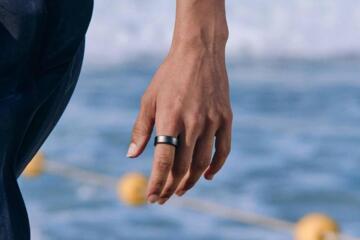
:contentReference[oaicite:5]{index=5} takes a wearable approach by measuring sleep signals through a ring device. The Oura Ring 4, released in 2024, improved sensor design, though the subscription cost may not appeal to every user.
All-In-One Platforms
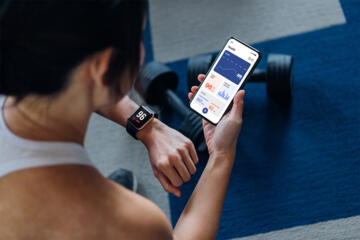
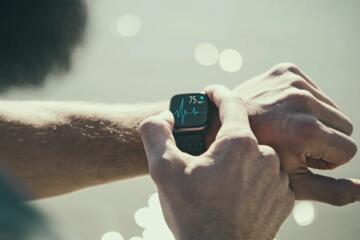
Some people prefer one dashboard instead of several apps. :contentReference[oaicite:6]{index=6} combines steps, heart rate, sleep scores, and activity trends. A Fitbit user can review weekly patterns instead of reacting to one unusual day.
All-in-one platforms save time, reduce noise, and the unused features sometimes pile up. Choose only the sections you will check regularly.
Privacy And Data
Health information deserves careful attention. Check permission settings before connecting apps to Apple Health, Google Fit, or third-party platforms. A useful app should explain what data it stores and why.
Some users prefer local tracking because fewer connections mean fewer decisions. Others value automatic syncing from several devices. The better choice depends on your comfort level.
Habit Building Tools
Tracking succeeds when the app creates a feedback loop. Set a water goal at 8 AM, review steps at 6 PM, and check sleep trends once per week instead of staring at numbers constantly.
I tested several reminder systems in early 2025, and a simple schedule inside Apple Reminders often worked as well as dedicated apps for basic habits.
Real User Cases
A 42-year-old sales manager used Fitbit after noticing low daily movement during remote work. The problem was not motivation but awareness. After setting a 7,500-step target and reviewing weekly reports for 12 weeks, daily walking increased by about 2,000 steps.
A university student used Sleep Cycle to fix inconsistent sleep before exams. The student moved bedtime earlier by 45 minutes and tracked results for 30 days. The app did not solve sleep alone, but the visible pattern helped create a repeatable schedule.
App Comparison
| App Type | Best For | Cost | Focus |
|---|---|---|---|
| Water App | Hydration | Free | Drinks |
| Step App | Walking | Free | Activity |
| Sleep App | Rest | Varies | Sleep |
| Wearable | Data | Paid | Health |
Common Errors
Choosing an app because it has hundreds of features is a common mistake. A person who only needs water reminders does not need a complex fitness ecosystem.
Another mistake is chasing perfect numbers. Sleep stages from consumer devices are estimates, not medical diagnoses. Use trends across 30 days instead of reacting to one night.
Ignoring battery life also causes problems. A smartwatch that dies every 2 days may interrupt tracking habits, especially for sleep monitoring.
FAQ
What is the best water tracking app?
WaterMinder and MyFitnessPal are popular choices because they combine reminders with simple logging.
Which app tracks steps most accurately?
Phone-based apps and wearable platforms from Apple, Fitbit, and Google provide useful step estimates for everyday activity.
Are sleep tracking apps accurate?
They can show patterns, but consumer sleep tracking remains an estimate rather than a clinical measurement.
Can one app track water steps and sleep?
Yes. Many wearable ecosystems combine these measurements in one dashboard.
Should I pay for a health app?
Paid versions make sense when extra reports or coaching features help you maintain regular use.
Author's Insight
I have found that the best tracking app is usually the one people still open after 60 days. Fancy metrics rarely matter if the routine disappears. I prefer starting with one behavior, such as tracking steps for a month, before adding more data points. The goal is awareness first, not collecting every possible measurement.
Final Thoughts
The best apps for water, steps, and sleep depend on your goals, device preferences, and willingness to track. Start with one simple metric, review progress weekly, and choose tools that reduce friction. A useful app should support your habits instead of becoming another task.