Recovery Tracking Basics
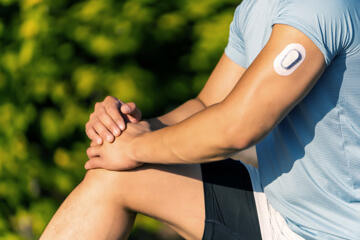
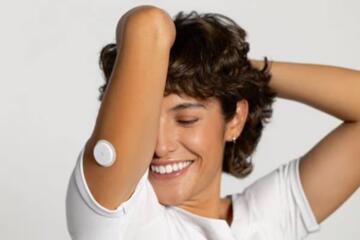
Wearables that track recovery measure signals linked to how your body responds to daily demands. Devices such as :contentReference[oaicite:0]{index=0}, :contentReference[oaicite:1]{index=1} watches, and :contentReference[oaicite:2]{index=2} bands collect data from sleep patterns, heart rate, heart rate variability, and movement.
The goal is not to create a perfect picture of your health. The goal is to spot patterns. A runner who notices a 20% drop in recovery scores after 3 nights of short sleep may adjust training before soreness or fatigue becomes a bigger issue.
Sleep has a major role in recovery. Research published in sleep science journals shows that adults generally need around 7 to 9 hours of sleep per night, while athletes often need more during heavy training periods.
Recovery data becomes useful when it changes behavior. A number on a screen means little unless it helps you choose a lighter workout, earlier bedtime, or rest day.
Small habits create the biggest signals.
Where Data Fails
Many people expect recovery wearables to act like medical devices, but most consumer trackers estimate recovery through indirect measurements. A device may detect changes in resting heart rate or sleep duration, yet it cannot explain every reason behind those changes.
Skip the daily score obsession. The reason is simple: a single low score after a late meal or stressful meeting does not always represent a real decline in fitness.
The biggest mistake I see is treating recovery numbers as instructions instead of feedback. A cyclist might cancel training after seeing a low readiness score, even though they feel strong and their performance remains stable.
Accuracy also varies between devices. A 2024 review of consumer wearables found that sleep tracking has improved, but estimates of sleep stages still differ from clinical measurements.
The data tells part of the story, not the whole story.
Choosing A Device
Check Sleep Quality
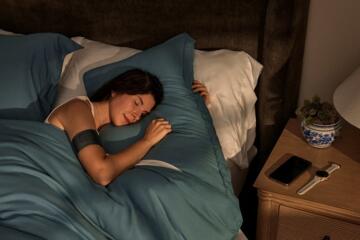
Sleep tracking is one of the strongest reasons people buy recovery wearables. A device that records bedtime, wake time, interruptions, and resting heart rate can reveal habits that are easy to miss.
The Oura Ring tracks sleep stages, overnight temperature changes, and readiness trends. Many users appreciate the screen-free design because wearing a ring at night feels less distracting than wearing a watch.
Look for trends over 30 days rather than reacting to one night. A repeated pattern of 6 hours of sleep followed by lower energy is more meaningful than a single unusual reading.
Review Heart Signals
Heart rate variability, often called HRV, measures changes in the timing between heartbeats. Many recovery platforms use HRV trends because lower values can appear during illness, poor sleep, or high physical stress.
Garmin devices such as the :contentReference[oaicite:3]{index=3} series combine HRV status with training load information. The feature became more useful after Garmin added expanded HRV tracking in recent software updates, including changes released around 2022.
HRV differs widely between people. A runner with a normal HRV of 45 milliseconds should not compare that number directly with someone whose normal range sits near 80 milliseconds.
Measure Training Load
A recovery tracker works best for people who train regularly. Strength athletes, runners, and cyclists can compare workout intensity with fatigue signals across weeks.
WHOOP focuses heavily on strain and recovery scores. The platform uses daily measurements to suggest when training stress may exceed current recovery capacity.
Skip copying another athlete’s routine. Their recovery pattern comes from different sleep habits, fitness levels, and life demands.
Track Stress Patterns
Stress monitoring has become a common feature in modern wearables. Devices often estimate stress through heart rate changes, breathing patterns, and activity levels.
A person working long hours may notice that their stress readings rise during afternoon meetings and improve after a 20-minute walk. That observation creates a practical change rather than just another statistic.
Some features, like guided breathing tools, are helpful reminders, though they rarely solve the source of chronic stress alone.
Consider Battery Life
Battery life affects how useful recovery tracking becomes. A device that needs charging every day may miss overnight data, which is frustrating for people who care about sleep trends.
Many smart rings last around 5 to 7 days per charge, while advanced fitness watches may last longer depending on GPS use.
My own preference is a device that disappears into daily life. The Fitbit app version 4.10, which I tested during a routine tracking period, showed how small interface changes can affect whether people review their data.
Match Your Goals
The best recovery wearable depends on the question you want answered. An endurance athlete may care about training load, while a busy professional may care more about sleep consistency.
Do not buy the most expensive tracker first. Start with the metric you actually plan to use.
A smartwatch costing several hundred dollars may add features you never open. A simpler tracker can sometimes create better habits because the information feels easier to act on.
Real User Cases
A marathon training group tested recovery tracking during a 12-week preparation cycle. Several runners used Garmin watches to compare sleep duration, resting heart rate, and weekly mileage. The coaches noticed that athletes averaging below 6.5 hours of sleep showed more missed workouts and slower recovery after long runs.
The group changed evening routines instead of adding more supplements or extra training sessions. After 8 weeks, average sleep time increased by about 45 minutes, and fewer runners reported heavy fatigue before key workouts.
A second example comes from office workers using WHOOP to monitor stress and recovery. The team had many employees reporting afternoon energy crashes, so they reviewed sleep consistency and daily strain scores for 30 days.
They found that late-night screen use was linked with shorter sleep periods for several members. Moving bedtime earlier by 30 minutes helped some users improve their recovery scores, although results varied because personal stress levels differed.
Tracker Comparison
| Device | Best Use | Battery | Cost |
|---|---|---|---|
| Oura Ring | Sleep trends | 5-7 days | Premium |
| WHOOP | Training load | 5 days | Monthly |
| Garmin | Athletes | 10+ days | Varies |
| Fitbit | Daily habits | 6 days | Mid |
Common Mistakes
Ignoring personal feelings is a frequent problem with recovery trackers. A device may show a good score while you feel unusually tired, and that mismatch deserves attention.
Another mistake is checking recovery data too often. Looking at scores several times each day creates anxiety for some users, which defeats the purpose of collecting information.
Use weekly trends instead of single measurements. A 14-day view usually reveals more about sleep habits and training balance than yesterday’s number.
Buying a wearable without a goal also creates disappointment. Decide if you want better sleep awareness, improved athletic planning, or a clearer picture of daily habits before choosing a device.
Numbers are useful when they guide decisions, not when they replace judgment.
FAQ
Do recovery wearables really work?
Recovery wearables can help identify patterns in sleep, activity, and stress. Their estimates are not perfect, but they can support better decisions when combined with how you feel.
Are smart rings better than watches?
Smart rings often feel more comfortable during sleep because they have no screen. Watches usually offer stronger workout features, GPS tracking, and live exercise data.
What recovery metric matters most?
Sleep duration and consistency are among the most useful starting points. HRV trends and resting heart rate may add more detail for people who train regularly.
Can a wearable detect illness?
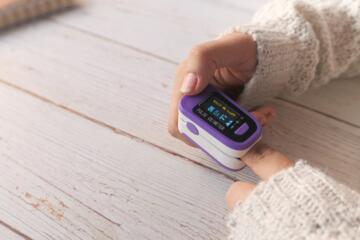
Some wearables may notice changes that happen before symptoms appear, such as unusual resting heart rate patterns. They cannot diagnose medical conditions.
How long should I test a tracker?
A 30-day period gives enough time to see personal patterns. Shorter testing periods often capture temporary changes rather than normal habits.
Author's Insight
I have tested recovery trackers with clients who wanted better training decisions, and the biggest improvement usually came from paying attention to sleep consistency. I rarely recommend chasing the highest score because, frankly, that approach creates unnecessary pressure.
I prefer using wearable data as a conversation starter with your own habits. A low recovery reading after 2 nights of poor sleep tells a useful story, but the next action still depends on your schedule and goals.
My advice is simple: collect data for 30 days, review patterns once a week, and ignore the urge to react to every change.
Key Takeaways
Recovery wearables are useful tools for people who want more awareness of sleep, training stress, and daily energy patterns. The best device is the one that answers a real question in your routine.
Start by tracking one area for 30 days, such as sleep consistency or workout recovery. Use the information to adjust habits gradually, then decide if deeper tracking adds value for your lifestyle.