Choosing Your Tracker
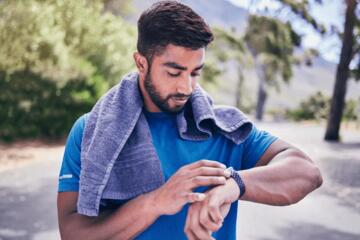
A fitness tracker works best when it measures something you plan to change. A runner preparing for a 10K race needs different data than someone trying to walk more, improve sleep, or monitor recovery after workouts.
The wearable market has expanded quickly, with devices from brands such as Apple, Garmin, Fitbit, and Samsung offering different approaches. Global smartwatch shipments have reached hundreds of millions of units annually, yet many buyers still abandon devices because the features do not match their goals.
Start with the behavior you want to improve. A person aiming for 8,000 daily steps needs reliable movement tracking, while an endurance athlete may care more about GPS accuracy, heart rate zones, and training load.
Common Buying Errors
Buying a fitness tracker based on popularity often creates disappointment. A device designed around marathon training may feel excessive for someone who only wants reminders to move during a desk job.
Many users focus on the screen, battery life, or appearance but ignore the companion app. The software determines how clearly you understand your trends, and that matters after the first 30 days when motivation usually drops.
Skip unnecessary sensors. They add cost because many people collect data without changing habits.
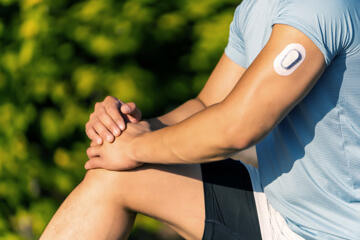
A fitness tracker also does not replace medical equipment. Heart rate readings, sleep estimates, and calorie calculations are useful signals, but they have limits. The frustration comes when people expect laboratory-level precision from a wrist device.
Smart Buying Guide
Match Your Goal
Choose the tracker around your main target for the next 3 to 6 months. Weight loss goals often benefit from step counts, food logging connections, and activity trends, while runners need GPS and workout analysis.
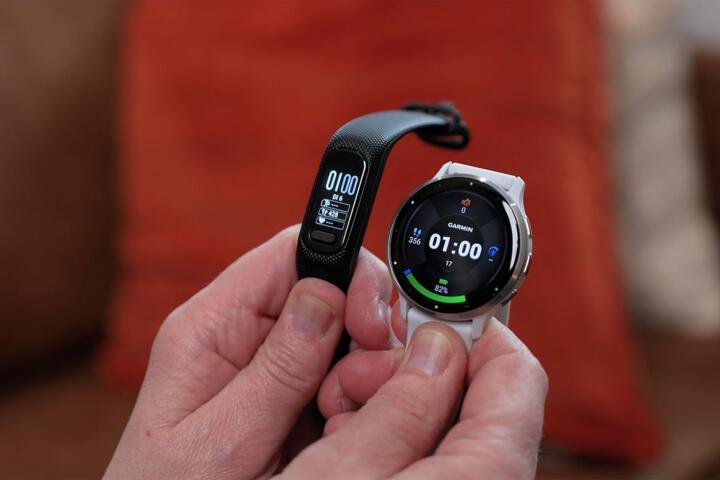
For example, Garmin devices often appeal to runners because many models focus heavily on training metrics. Apple Watch users may prefer a broader health ecosystem connected with iPhone features.
Buy for your routine.
Check Heart Sensors
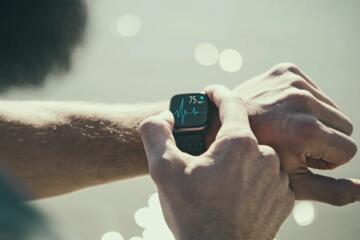
Optical heart rate sensors have improved, but performance varies during intense movement. A casual walker may find wrist readings enough, while cyclists and serious runners may prefer a chest strap connection.
Devices such as the Apple Watch Series 9 and Garmin Forerunner models track heart rate continuously and use that information for zones, recovery estimates, and workout summaries.
Accuracy improves with proper fit. A loose band creates noisy readings, which frankly most people skip checking before blaming the device.
Review Battery Needs
Battery life affects consistency. A tracker that requires charging every day may lose sleep data because users remove it overnight.
Many Garmin models last 7 to 14 days depending on settings, while some advanced smartwatches need charging every 1 to 2 days. Choose the charging pattern that fits your habits.
More battery means fewer gaps.
Study The App
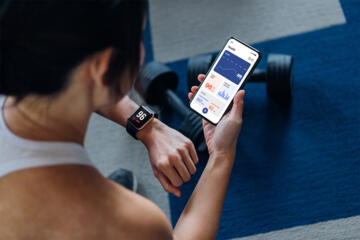
The mobile app shapes how useful your data becomes. Fitbit’s app, Apple Health, Garmin Connect, and Samsung Health each organize activity information differently.
Look at weekly reports, goal settings, and trend views before buying. I tested Garmin Connect version updates during 2024, and small layout changes affected how quickly I found recovery information.
Consider Training Data
A fitness tracker for athletes should measure more than calories burned. Training readiness scores, heart rate variability trends, and recovery indicators can help prevent poor scheduling decisions.
For strength training, look for exercise recognition, interval timers, and manual workout controls. Automatic detection helps, but it rarely works perfectly for every movement pattern.
Think About Comfort
The best tracker is the one you keep wearing. A lightweight device around 30 to 50 grams may feel better for sleep tracking than a larger smartwatch.
Try wearing a device for several days before judging it. Small issues, such as a bulky strap or bright display at night, often decide long-term use.
Real User Examples
A 42-year-old office worker wanted to increase daily activity after noticing long periods of sitting. She chose a Fitbit Charge model because her goal was reaching 9,000 steps per day and improving sleep consistency.
After 12 weeks, her weekly activity reports showed a steady increase from roughly 5,500 steps to above 9,000 steps. The key change was not the tracker itself but the daily reminders and visible progress history.
A recreational runner used a Garmin Forerunner device to prepare for a half marathon. The problem was inconsistent training intensity. After reviewing heart rate zones for 16 weeks, he adjusted easy runs and reduced unnecessary hard sessions.
His race preparation became more structured, with fewer exhausted training days. The device did not create discipline, but it exposed patterns he could act on.
Feature Comparison
| Goal | Best Fit | Focus |
|---|---|---|
| Walking | Basic tracker | Steps |
| Running | GPS watch | Pace |
| Sleep | Light band | Rest |
| Training | Sports watch | Recovery |
Common Mistakes
Many buyers track too many numbers at once. Watching 15 different metrics can create confusion instead of useful feedback.
Pick 2 or 3 measurements that connect directly to your goal. Someone improving fitness might track weekly exercise minutes and resting heart rate instead of every available score.
Another mistake is ignoring setup. Update the user profile, wear the device correctly, and calibrate settings like stride length when available.
Skip random comparisons. A $500 smartwatch may not help if a $100 tracker already measures the habits you need.
FAQ
Do fitness trackers really help?
They help when the data changes behavior. Step reminders, workout records, and progress trends can support consistency.
Which tracker is best for beginners?
Beginners usually benefit from simple devices with clear apps and basic activity tracking.
Can a fitness tracker measure calories?
Yes, but calorie estimates are approximate because wrist sensors cannot measure every factor affecting energy use.
Should I wear a tracker while sleeping?
Sleep tracking works best when the device is comfortable enough to wear overnight for several weeks.
How long should a fitness tracker last?
Many quality devices last around 3 to 5 years, though battery performance often declines earlier.
Author's Insight
I have tested wearable devices with clients who wanted better fitness habits, and the biggest lesson has been simple: data only matters when it changes a decision.
I prefer trackers that make one behavior easier to notice. A clean weekly report often beats a device packed with numbers nobody reviews.
My advice is to choose the smallest tool that solves your problem. The perfect tracker is the one you still wear after 6 months.
Key Takeaways
A fitness tracker should match your goal, activity level, and willingness to review data. Runners may need GPS and recovery insights, while beginners may only need steps and reminders.
Before buying, decide the habit you want to improve, compare the features connected to that habit, and choose a device you will actually wear every day.