Fitness Trackers Basics
Fitness trackers are wearable devices designed to collect data on physical activities, heart rate, sleep, and more. Users can monitor steps, calories burned, and even stress levels, which often exceeds basic pedometer functions. For example, in 2023, roughly 110 million fitness trackers shipped worldwide, reflecting a growing interest in health monitoring tools.
These devices vary widely—from simple wristbands to advanced smartwatches with GPS and oxygen saturation sensors. A runner may use GPS-enabled trackers to map routes, while someone aiming to improve sleep quality might prioritize trackers with detailed sleep stage analysis.
The data collection happens continuously. Devices sync data to apps where users analyze progress and adjust lifestyle habits. Real-time feedback often motivates users to meet daily goals like 10,000 steps or 30 minutes of moderate activity.
Common User Challenges
Many users expect fitness trackers to deliver perfect accuracy, but this often leads to frustration. Heart rate readings fluctuate, especially during intense exercise or when the device sits loosely on the wrist. Tracking sleep stages accurately remains challenging; commercial trackers tend to estimate rather than precisely measure.
Data overload is another issue. Some users receive so many metrics that deciding what matters becomes overwhelming. This leads to ignoring the device altogether—a waste of the investment.
Ignoring customization further limits benefits. Not setting personal goals, failing to update health profiles, or skipping app tutorials causes gaps in data relevance. For example, some users wear the device incorrectly, skewing step counts or heart rate data.
Neglecting charge routines disrupts tracking. A dead tracker provides no insight. One Fitbit model released in 2022, known for a low 4–5 day battery life, requires frequent charging that some users find annoying.
Top Features and Solutions
Prioritize Heart Rate Monitoring
Choose trackers with accurate optical sensors or integrated ECG capabilities. Continuous heart rate tracking helps detect irregularities and calibrate workout intensity. Devices like the Garmin Vivosmart 5 and Apple Watch Series 8 offer real-time notifications for abnormal rates. Regular heart rate checks can improve cardiovascular awareness.
Focus on Sleep Tracking Quality
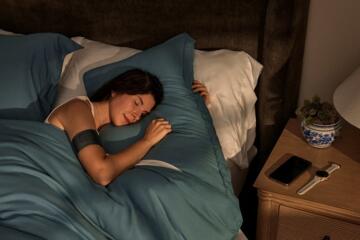
Sleep affects recovery and overall health. Prefer trackers that differentiate REM, deep, and light sleep with validated accuracy. Fitbit Charge 5 improved sleep score algorithms in its 2022 update, offering more reliable data. Using these insights, users can adjust bedtime routines.
Low Battery Drain
Battery life influences consistent wearing. Garmin trackers often last over a week; the Vivosmart performs well around 7 days, compared to Apple Watch at about 18 hours. Extended battery life reduces interruptions in data collection and user inconvenience.
GPS Tracking for Active Users
Built-in GPS helps runners, cyclists, and hikers track routes and pace without carrying a phone. Models like the Coros Pace 2 provide advanced GPS with 20+ hours battery life and detailed route mapping—valuable for outdoor workouts.
Compatibility and App Experience
Evaluate how well the tracker syncs with your smartphone and health apps. Apple Watch integrates tightly with iOS Health, while Fitbit links with Google Fit and Strava. Better app design encourages engagement and ease of data analysis.
Water Resistance for Versatility
Devices rated at least 5ATM enable swimming and showering without damage. For swimmers, the Garmin Swim 2 offers specialized metrics, such as stroke count and swim efficiency.
User Comfort and Design
Comfort impacts daily wear compliance. Choose lightweight, adjustable bands. The Xiaomi Mi Band 7 weighs just 13.5 grams and features a curved AMOLED screen, making it hardly noticeable during the day or night.
Notifications and Smart Features
Some wearers want call, message, or calendar notifications to minimize phone checking. This feature suits busy professionals and ensures the tracker doubles as a smartwatch.
Affordable Options with Good Accuracy
Fitbit Inspire 3 and Xiaomi’s Mi Band offer solid tracking for under $70, balancing price and functions. They miss some higher-tier features but serve beginners well.
Real Success Stories
A mid-sized marketing firm equipped its wellness program with Fitbit Charge 4 devices for 150 employees. Initially, low engagement and tracking errors occurred. After personalized tutorials and adjusting wear guidelines, activity levels rose 30% on average over 6 months, supported by fewer sick days recorded in HR logs.
Another case featured an amateur marathoner using Garmin Forerunner 255, which refined pacing strategies through detailed GPS and heart rate data. After 3 months, the runner shaved 12% off race time and recovered faster, relying less on guesswork and more on objective stats.
Choose the Right Tracker
| Model | Battery Life | Key Features | Water Rating |
|---|---|---|---|
| Garmin Vivosmart 5 | 7 days | Heart Rate, Stress, VO2 max | 5 ATM |
| Fitbit Charge 5 | 5 days | ECG, Sleep Score, SpO2 | Water Resistant |
| Xiaomi Mi Band 7 | 14 days | Steps, Heart Rate, AMOLED Screen | 5 ATM |
| Apple Watch SE 2 | 18 hours | Smartwatch, GPS, Health Apps | WR50 |
Avoid These Errors
Do not wear the device loosely; poor fit sabotages sensor accuracy and data quality. Skip regular updates and risk bugs or missing improvements — a mistake I still catch myself making, frustratingly. Ignoring personalized goals wastes the data collected, creating irrelevant or unrealistic feedback. Charging only when the battery dies can cause missed activity tracking; better to plug it in regularly overnight.
One common slip is over-relying on calorie estimates, which involve many variables and often err. Use them as broad trends, not precise counts. Avoid jumping between different apps without syncing data first — fragmented information offers no clear picture.
FAQ
How accurate are fitness trackers?
Accuracy varies by device and sensor type. Step counts usually have a 5-10% margin of error; heart rate estimates can deviate during intense workouts. Most use optical sensors, which can struggle with motion artifacts.
Can sleep tracking replace medical devices?
No. Consumer-grade trackers estimate sleep phases but don’t diagnose disorders like sleep apnea. For medical concerns, consult a specialist with polysomnography tests.
Which tracker works best for swimming?
Look for devices rated 5ATM or higher. Garmin Swim 2 and Fitbit Versa 4 specialize in swim metrics including stroke type and lap counting.
Do fitness trackers help with weight loss?
They assist by raising awareness of activity levels and calorie expenditure, but success depends on diet and behavior changes. Trackers alone don’t burn fat.
Should I buy a smartwatch or fitness band?
If notifications and advanced apps matter, go smartwatch. For lightweight tracking focused on steps and heart rate, a fitness band works.
Author's Insight
I have tested over a dozen fitness trackers over five years, and consistency matters more than bells and whistles. Devices with longer battery life and reliable heart rate tracking translate to better daily habits. Also, personal goal setting and understanding the data prevent fatigue with endless stats. Using multiple apps usually only baffles the workflow — one good app suits most needs.
What to Remember
Choosing a fitness tracker requires balancing features like heart rate accuracy, battery life, and comfort against budget and intended use. Avoid mistakes like poor fit and ignoring data customization. Stick with one device and app for continuity. Tracking everyday health depends on steady use and interpreting numbers in context—not chasing next upgrades.