Health Tracking Basics
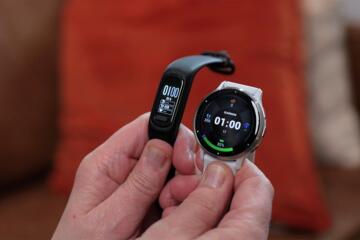
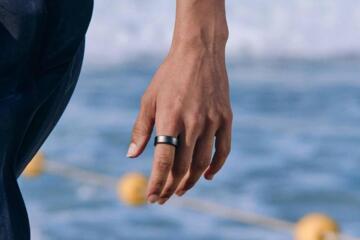
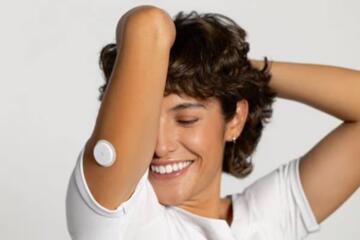
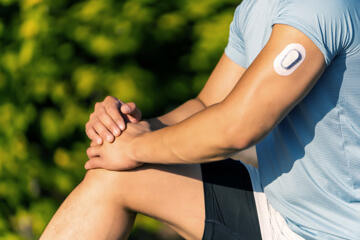
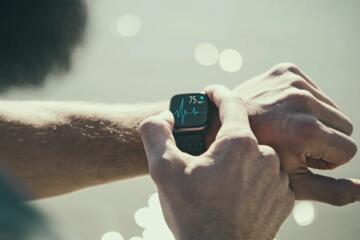
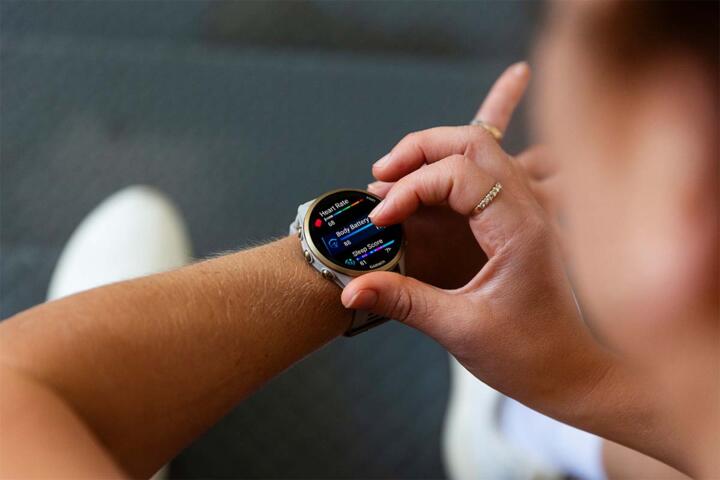
Continuous health trackers collect information throughout the day using sensors that measure signals such as heart rate, movement, sleep patterns, and sometimes blood oxygen levels. Devices from brands like Apple, Garmin, and Fitbit have made personal health data easier to access outside a clinic.
A smartwatch may record thousands of data points every day. The Apple Watch Series 9, for example, can monitor heart rate, workouts, sleep stages, and irregular rhythm notifications through built-in sensors.
More data is not always better.
The real question is not whether a device can measure something. The question is whether that measurement changes a useful decision about your health, habits, or training.
Tracking Problems
Many people buy a continuous health tracker expecting it to reveal hidden answers about their bodies. The reality is more nuanced because consumer devices estimate many measurements rather than performing medical tests.
Sleep scores can show patterns, but they cannot diagnose sleep disorders. Heart rate trends may reveal changes, but a single unusual reading does not automatically signal a health problem.
Skip buying features you will ignore. Extra metrics become noise quickly.
Another issue is anxiety around numbers. Some users check resting heart rate several times daily and worry about normal fluctuations caused by exercise, stress, caffeine, or poor sleep.
Privacy also matters because health data creates a detailed picture of personal behavior. Review device settings carefully before connecting apps or sharing information with third parties.
Choosing Your Approach
Track Clear Goals
Start with a specific reason for monitoring health data. A runner may need training load information, while someone improving sleep may focus on bedtime consistency and recovery patterns.
A 2023 review in the journal JMIR mHealth and uHealth found wearable activity trackers can support increased physical activity when users engage with the feedback. The device works best when the information connects to a behavior change.
Measure Heart Trends
Heart rate tracking is one of the more mature features in consumer wearables. Monitoring resting heart rate over weeks can show changes related to fitness, recovery, illness, or stress.
For example, a person whose normal resting heart rate is 55 beats per minute may notice a sustained rise to 70 after several poor nights of sleep. A pattern matters more than one reading.
Use Sleep Data Wisely
Sleep tracking can help identify bedtime habits and inconsistent schedules. Many devices estimate sleep stages using movement and heart rate, but they do not measure brain activity like a clinical sleep study.
Focus on trends over 14–30 days. A single low sleep score after a late event does not define your sleep health.
Consider Fitness Needs
A continuous tracker becomes more useful for people training regularly. Garmin devices, for example, include recovery estimates, training status, and workout metrics designed for athletes.
Someone exercising 5 days per week may benefit from detailed feedback more than someone who only wants a daily step count.
Review Health Alerts
Some wearables can detect possible irregular heart rhythms or unusual readings. These alerts may encourage people to seek medical advice earlier, but they should not replace professional evaluation.
False alarms happen, which frankly frustrates many users who expect medical-level certainty from consumer technology.
Protect Your Data
Check privacy controls before connecting a tracker to multiple apps. Review permissions every few months because software updates may change settings.
I noticed this with a wearable app update in 2024 where the menu layout changed after version 5.0, making privacy controls harder to find at first glance.
Real User Cases
A 38-year-old office worker used a Fitbit Charge device after noticing low energy during afternoon meetings. The user tracked sleep duration for 6 weeks and discovered bedtime varied by more than 90 minutes between weekdays and weekends. After adjusting the schedule, reported daytime fatigue decreased.
A recreational cyclist used a Garmin Forerunner watch to manage training volume after increasing weekly rides too quickly. The device showed recovery concerns after intense sessions, and reducing weekly training by about 15% helped the cyclist return without repeated fatigue.
Tracker Comparison
| Goal | Best Tool | Use |
|---|---|---|
| Sleep | Wearable | Trends |
| Training | Sport watch | Recovery |
| Steps | Band | Activity |
Common Mistakes
Buying a tracker without a goal often leads to unused features and abandoned devices. Decide what question you want the data to answer before spending money.
Another mistake is chasing perfect numbers. Sleep duration, resting heart rate, and activity levels naturally move from day to day.
Do not replace medical care with wearable readings. A tracker can support conversations with healthcare professionals, but it cannot complete a diagnosis.
FAQ
Do I need a health tracker?
You may benefit from one if you want feedback on exercise, sleep habits, or daily activity patterns. It may not add much value if you dislike monitoring data.
Are fitness trackers accurate?
Accuracy varies by measurement. Step counts and heart rate during steady activity are often more reliable than advanced sleep stage estimates.
Can a smartwatch detect health problems?
Some watches can identify possible concerns, such as irregular heart rhythms, but medical confirmation still requires professional testing.
How often should I check tracker data?
Weekly reviews often create better decisions than checking numbers constantly throughout the day.
Are health trackers safe for privacy?
They can be safe when users review permissions, account settings, and data-sharing choices carefully.
Author's Insight
I have seen people get excellent results from trackers when they use them as feedback tools rather than daily judges. My preferred approach is choosing 1–2 metrics and ignoring the rest until they become useful. I often suggest testing a device for 30 days before deciding if it deserves a permanent place in a routine. The best tracker is the one that changes behavior in a positive way.
Final Thoughs
Continuous health trackers can help people understand patterns in movement, sleep, recovery, and heart activity. Choose a device based on a clear purpose, review trends instead of single numbers, and treat wearable data as guidance rather than a diagnosis. Good tracking should simplify decisions, not create another source of stress.