Chest Straps And Heart Rate
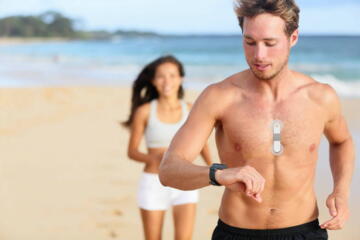
Chest straps are worn on the torso to track heart rate during exercise, recovery, and daily activity. Two main sensing approaches dominate: ECG-based straps that detect the heart’s electrical activity through skin electrodes, and optical straps that estimate pulse rate using light reflected from blood vessels near the skin.
ECG-based straps typically use two electrodes to measure electrical signals and derive beats from the timing of the QRS complex. Optical straps use photoplethysmography (PPG), where a light source and a light sensor detect changes in blood volume with each heartbeat. Both methods output beats per minute, but they respond differently to movement, skin contact, breathing patterns, and peripheral circulation.
In practical terms, the difference shows up during interval training, running, rowing, or strength work. A strap that reads smoothly while you jog at steady effort may still misread during sprints, when arm swing and torso motion increase. At rest, optical sensors can look stable, but readings may drift if the strap shifts or if skin perfusion changes due to cold exposure.
ECG Vs Optical: What To Expect
ECG-based straps generally provide more direct beat detection because they measure electrical activity. When electrode contact is stable, ECG signals are less affected by peripheral circulation changes. This matters during cold workouts or when skin perfusion varies across the torso.
Optical straps can be accurate when the sensor maintains consistent contact and the wearer’s motion is limited. PPG relies on rhythmic changes in blood volume, which can be strong at the wrist and on the chest when perfusion is adequate. During high-impact or upper-body-heavy movements, the optical signal can degrade because the sensor experiences both motion and changes in local blood flow.
Neither method guarantees perfect readings in every scenario. The practical question is which failure mode you can tolerate. If you need stable tracking during intervals and mixed movements, ECG-based sensing often reduces the likelihood of motion-driven dropouts. If you mainly track steady efforts and want a simpler setup, optical sensing may be sufficient, provided you verify performance on your own body and activities.
How To Choose And Test
Match Sensor To Your Workouts
Choose ECG-based straps when your sessions include rapid intensity changes, high torso motion, or activities that commonly disrupt optical signals, such as running sprints, rowing, or circuit training. Choose optical straps when your workouts are mostly steady-state and you can keep the strap from shifting.
Why this works: ECG beat detection depends on electrode contact and electrical signal quality, while optical beat detection depends on stable light-sensing conditions and consistent blood-volume changes. Motion and skin perfusion affect optical signals more directly.
What it looks like in practice: during a set of short intervals, an ECG strap often shows a faster and steadier rise and fall in heart rate. An optical strap may show delayed peaks, brief dropouts, or sudden dips if the sensor shifts.
Relevant tools: use the device’s own signal-quality indicators if available, and compare heart-rate traces across the same workout type. If the strap offers a “signal lost” icon or quality score, treat it as a cue to adjust fit or placement.
Realistic outcome: you may see fewer missing-beat events with ECG sensing during chaotic movement, but you still need stable strap contact to avoid electrical noise.
Check Fit, Placement, And Skin
For ECG straps, place electrodes where the strap manufacturer indicates, usually over the lower chest/upper abdomen area. Wear the strap snugly enough that it does not slide when you move, but not so tight that it causes discomfort. For optical straps, ensure the sensor area stays in consistent contact and does not rotate as you breathe or move.
Why this works: both sensing methods depend on stable coupling between the device and the body. ECG needs consistent electrode contact to reduce electrical noise; optical needs consistent skin contact and minimal movement to reduce artifacts.
What it looks like in practice: after tightening the strap, start with a 5-minute warm-up and watch whether the heart rate stabilizes without frequent “signal lost” events. If readings jump around at steady effort, adjust strap position and re-check.
Relevant tools: a mirror for placement checks, a consistent warm-up routine, and a simple log of strap tightness and sensor behavior across days.
Realistic outcome: small changes in strap tightness can shift optical signal quality noticeably, while ECG signal quality can improve when electrode contact becomes consistent.
Validate Against A Known Pattern
Use a repeatable test rather than comparing to a single moment. For example, perform the same 10-minute steady workout at the same perceived effort on two different days and compare the heart-rate trace shape. Then add a short interval segment and compare how quickly the heart rate rises and how often it drops out.
Why this works: heart-rate sensors are sensitive to both physiology and device fit. A repeatable pattern helps separate normal day-to-day variation from sensor artifacts.
What it looks like in practice: if heart rate rises smoothly during steady work but becomes erratic only during intervals, the issue is likely motion-related signal quality rather than your physiology.
Relevant tools: the device’s app to review time-series graphs, and a consistent warm-up and interval protocol.
Realistic outcome: you can often identify whether optical sensing struggles during your specific movements, even without a medical reference device.
Interpret Numbers With Context
Heart rate is not a direct measure of oxygen use or training load. Treat it as one input among effort, breathing, and pace. If a strap shows abrupt spikes or sudden drops that do not match your perceived exertion, treat those segments as low-confidence data.
Why this works: heart-rate displays often apply smoothing and filtering. When beats are missed or misdetected, the displayed rate can lag or overshoot.
What it looks like in practice: during a sprint, a brief optical dropout may cause the displayed rate to fall for a few seconds even though your effort stayed high. During strength training, electrode contact may vary with posture changes, affecting ECG signal quality.
Relevant tools: perceived exertion scales, workout pacing notes, and reviewing the raw signal-quality indicators if the app provides them.
Realistic outcome: interpreting heart-rate trends rather than single-second values reduces the impact of occasional sensor errors.
Educational Case Examples
Interval Runner With Optical Strap
A runner uses an optical chest strap for a workout with 30-second hard efforts followed by 90 seconds easy jogging. During the hard segments, the heart-rate graph shows delayed peaks and brief dips that do not match breathing intensity. The strap shifts slightly during the sprint phase, and the optical sensor’s signal-quality indicator shows intermittent low confidence. After tightening the strap and keeping it aligned, the heart-rate trace improves during steady jogging but still shows more variability during the hardest bursts.
Lesson: optical sensors can track steady work well, but motion and strap shift during high-intensity intervals can degrade PPG signals and distort beat timing.
Rowing Session With ECG Strap
A person rows with an ECG-based chest strap during a session that includes steady intervals and short accelerations. The heart-rate trace rises quickly during accelerations and stays stable during the steady portions. On a day with heavy sweat and a strap that slides upward during the first minutes, the device briefly loses signal and then recovers once the strap is repositioned. The overall pattern matches perceived effort, with fewer abrupt spikes than the optical strap used previously.
Lesson: ECG sensing can reduce motion-driven errors, but electrode contact still determines signal quality, especially when the strap shifts.
ECG Vs Optical Checklist
| Decision Point | ECG Chest Strap | Optical Chest Strap | What To Do |
|---|---|---|---|
| Primary workout type | Often better during intervals and mixed movement when contact stays stable | Often better during steady efforts with minimal strap shift | Test with your hardest session, not a warm-up only |
| Cold or low perfusion | Less dependent on peripheral blood flow | Signal can weaken, increasing dropouts | Check signal-quality indicators and strap fit |
| Motion artifacts | Main risk is electrode displacement and electrical noise | Main risk is movement affecting light sensing and pulse detection | Review time-series for sudden dips/spikes |
| Fit sensitivity | Sensitive to electrode contact and strap tightness | Sensitive to sensor contact and strap rotation | Use consistent placement and tightness across days |
| Confidence in trends | Often more consistent beat detection when contact is stable | Can show more variability if conditions change | Focus on patterns over single-second values |
Step-by-step checklist for decision support:
- Pick one activity that stresses your sensor (intervals for runners, accelerations for rowers, circuits for gym training).
- Wear the strap with consistent placement and tightness for at least two sessions.
- Review the heart-rate graph and note segments with sudden dips, spikes, or “signal lost” events.
- Adjust fit once, then repeat the same session pattern.
- Choose the sensor type that produces the fewest low-confidence segments for your movement style.
Common Mistakes
- Wearing the strap too loosely. Loose contact increases noise for ECG electrodes and increases motion artifacts for optical sensors.
- Changing placement between days. Small shifts can change signal quality, especially for ECG electrode positioning and optical sensor alignment.
- Judging accuracy from one number. A single peak can be distorted by missed beats or filtering; time-series review reveals whether errors are frequent.
- Ignoring signal-quality indicators. Many devices show confidence or signal loss; treating those segments as equally reliable leads to misleading trends.
- Comparing devices without matching conditions. Different strap types, clothing, skin temperature, and sweat levels can change performance even when the wearer’s physiology is stable.
- Assuming chest straps replace medical monitoring. Consumer sensors are designed for fitness tracking and trend observation, not for diagnosing rhythm disorders.
FAQ
Which Chest Strap Type Is More Accurate?
ECG-based straps often produce more consistent beat detection during movement when electrode contact stays stable, while optical straps can be accurate during steady efforts but may show more dropouts or timing errors during motion and cold exposure.
Why Does Optical Heart Rate Drop During Sprints?
PPG depends on stable light sensing and consistent blood-volume changes. Strap shift, torso vibration, sweat, and reduced peripheral perfusion can weaken the optical signal and cause missed or misdetected beats.
Can ECG Straps Give Wrong Readings?
Yes. ECG readings can degrade if electrodes lose contact, if the strap slides, or if skin conditions and movement introduce electrical noise. The device may then show brief signal loss or rate instability.
How Should I Wear a Chest Strap For Better Signals?
Use the manufacturer’s placement guidance, keep the strap snug enough to prevent sliding, and keep placement consistent across sessions. A short warm-up with signal-quality feedback helps confirm stable contact.
Do These Devices Measure Heart Health?
Chest straps estimate heart rate for tracking and training. They are not designed to diagnose heart rhythm conditions, and inaccurate readings can occur due to sensor limitations, fit, and signal quality.
Author's Insight
ECG and optical chest straps measure different physiological signals, so their error patterns differ. ECG-based sensing tends to be less affected by peripheral blood flow changes, but it still depends on stable electrode contact and can fail when the strap shifts. Optical sensing can work well for steady exercise, yet motion and skin perfusion changes can disrupt the light-based pulse signal. For most consumers, the most useful approach is to test the strap during the specific workouts that challenge it and to interpret heart-rate trends rather than isolated spikes.
Key Takeaways
- ECG straps detect electrical activity; optical straps estimate pulse from light-based blood-volume changes.
- Optical readings are more sensitive to motion and peripheral perfusion changes, especially during intervals and in cold conditions.
- ECG readings depend on electrode contact; strap sliding and poor placement can still cause dropouts.
- Validate with repeatable sessions, review time-series graphs, and treat signal-quality warnings as low-confidence data.
- Use heart rate as one training input, not a standalone measure of heart health.